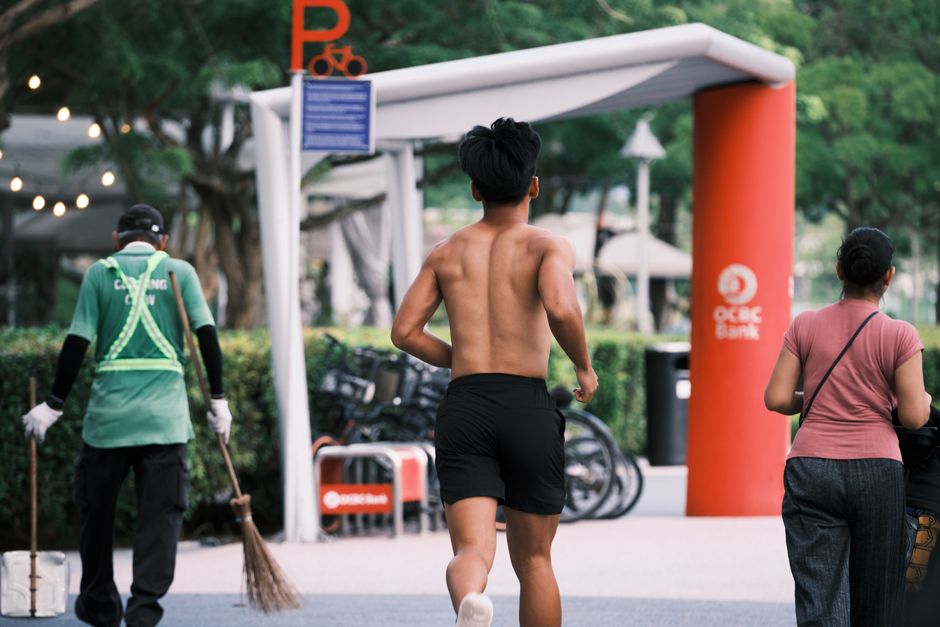
Singapore's tropical climate poses unique nutrition challenges most Western diet guides ignore. High heat and humidity accelerate mineral loss through sweat, alter how your body processes meals, and create food safety concerns that matter more here than elsewhere. Yet the evidence on what works locally remains scattered. Here's what science and practice show actually works for Singaporeans.
Hydration isn't just water. In our 30-plus-degree heat, plain water alone won't cut it. Research shows that adding electrolytes—sodium and potassium—helps your body retain fluids better during and after exercise on the ECP or morning runs through the Botanic Gardens. Coconut water from hawker stalls costs around $1.50 and contains natural electrolytes; it's not marketing hype, it's practical chemistry. Alternatively, mix tap water with a pinch of salt and a squeeze of lime, a method hawker aunties have used for decades.
Timing matters more in humidity. Evidence suggests eating heavier meals during cooler mornings or evenings—before 10am or after 7pm—reduces digestive strain when your body is already working harder to regulate temperature. This aligns naturally with Singapore's meal culture: lighter breakfasts of toast and kaya, substantial dinners. Fighting this rhythm exhausts you unnecessarily.
Hawker centres are your ally, not your enemy. A study by the Health Promotion Board found that hawker stalls selling vegetable-based dishes outnumber fried options at most centres. Economical bowls of vegetable soup ($2-3), steamed fish with greens ($4-5), and mixed vegetable rice exist everywhere from Tiong Bahru to Tampines. The key: ask for less oil when ordering, and load your plate with greens before the protein. Most stall owners comply readily.
Food safety in heat is non-negotiable. Our climate accelerates bacterial growth. Avoid dishes sitting under heat lamps longer than two hours. Grab freshly cooked meals during peak hours—11am to 1pm, 6pm to 8pm—when turnover is fastest. This also supports the livelihoods of the hawkers themselves.
Seasonal produce works smarter. Tropical fruits like mangosteen and rambutan available June through August contain compounds your body absorbs more efficiently in heat than imported apples. Eating seasonally isn't romantic nostalgia; it's metabolic alignment.
Singapore's polyclinic network and HPB resources offer free nutrition consultations if you need personalised advice for specific conditions. Start there for tailored guidance. But for daily eating? Work with our climate and culture, not against it. The best diet is the one you'll actually follow, and the one adapted to where you live.
This article was compiled by AI from the sources linked above and screened before publishing. See our editorial standards.