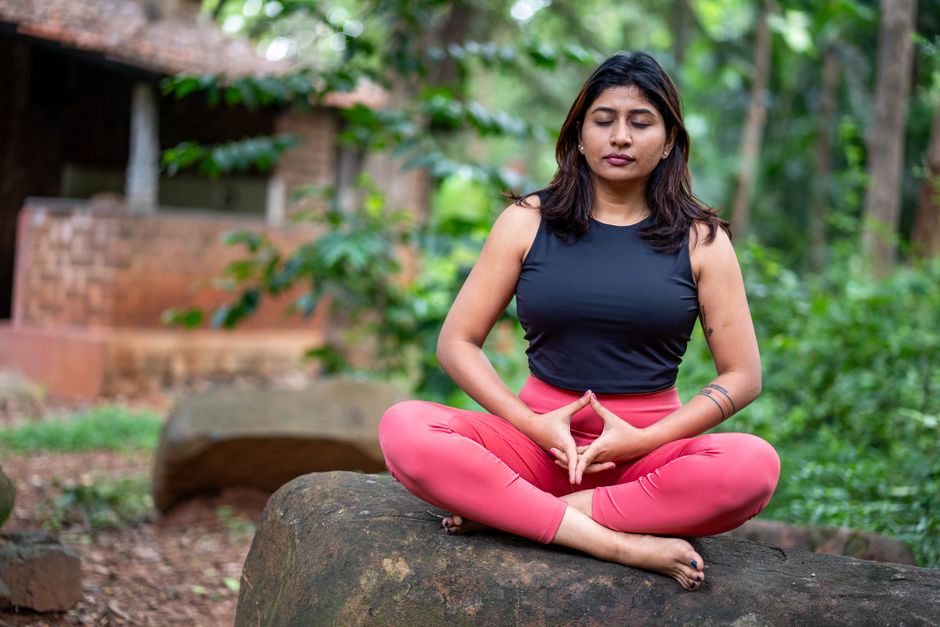
By 6.15 a.m. on any given Thursday, the lawn beside the Bandstand at the Singapore Botanic Gardens already has a dozen people on it. Some are cross-legged, eyes shut, facing the pale light breaking over Napier Road. Others hold a slow warrior pose while joggers loop the Tanglin Core path behind them. The scene is unremarkable by now — which is precisely the point.
Morning outdoor practice has become routine enough in Singapore that the National Parks Board reported more than 50 million visits to its parks and park connectors in 2024, a figure that has trended upward each year since outdoor spaces were reconfigured post-pandemic. The 6 a.m. to 8 a.m. window is, by most accounts, the fastest-growing segment of that footfall.
Why Dawn, and Why Now
The logic is thermal as much as spiritual. Singapore's daily high temperatures have breached 35 degrees Celsius on multiple days this June, according to the Meteorological Service Singapore, making midday exercise genuinely hazardous for extended outdoor sessions. Sunrise practice — typically between 6.58 a.m. and 7.10 a.m. this month — slots neatly before the humidity locks in and before office commutes begin at Raffles Place and Tanjong Pagar.
There is also a growing body of local health conversation around cortisol rhythms and the value of low-intensity morning movement, something polyclinic health educators at institutions like Queenstown Polyclinic have been weaving into their lifestyle counselling sessions. The advice: morning light exposure combined with controlled breathing and gentle movement can help anchor the body's circadian rhythm. Anyone with specific health concerns should speak to their GP or a polyclinic doctor before starting a new routine.
Separately, a 2023 Duke-NUS Medical School study found that Singaporeans who exercised outdoors at least three mornings per week reported meaningfully lower perceived stress scores than those who exercised only indoors — though researchers noted the sample skewed toward residents living within 800 metres of a park.
Where to Actually Go
The Singapore Botanic Gardens remains the benchmark. The Symphony Lake lawn and the Eco Garden off Cluny Road are both flat, well-drained and largely unshaded at dawn, which suits practitioners who want to track the light. Entry is free before 8 a.m. on weekdays. The gardens open at 5 a.m., and the Tanglin Gate off Cluny Road is the quietest entry point — no café queue, no tourist groups yet.
East Coast Park is the other heavyweight. The stretch between Carpark E2 and the Parkland Green area, roughly 3.5 kilometres of open lawn running parallel to the sea, catches the earliest coastal light in the city. The Yoga Movement community group has run free pop-up sunrise sessions there on the first Saturday of each month since February 2025, drawing between 40 and 80 participants. No booking required; participants gather at the pavilion near the Xtreme SkatePark by 6.45 a.m.
Labrador Nature Reserve, sitting at the southern tip of the island off Labrador Villa Road, is smaller and less trafficked — which is its appeal. The clifftop area above the World War II gun battery gives a direct sightline to the Strait of Singapore, and the ambient sound is wind and water rather than MRT announcements. It suits solo meditation over group yoga. Arrive by 6.30 a.m. to secure one of the concrete benches before the bird-watchers do.
HDB estate facilities are worth considering too. Bishan-Ang Mo Kio Park, anchored between Ang Mo Kio Avenue 1 and Bishan Street 22, has a riverside lawn that stays shaded by riparian trees until nearly 7.30 a.m. — useful in June when the sun climbs fast. The park also connects directly to the 23-kilometre Round Island Route for those who want to extend a morning session into a longer walk.
Gear is minimal: a mat, shoes optional, water mandatory. Most of the spaces above have sheltered areas nearby in case the inter-monsoon delivers an early shower — a reasonable calculation in July. Check the NEA weather radar the night before rather than the morning of, since convective storms here tend to build fast and the 30-minute warning is the one that actually matters.