Wellness
Journaling as a Mindfulness Tool: How to Start
With work stress and city life piling up, Singaporeans are turning to journaling as a grounding mindfulness practice—here’s how to begin.
4 min read
Updated 35 min ago
Wellness
With work stress and city life piling up, Singaporeans are turning to journaling as a grounding mindfulness practice—here’s how to begin.
4 min read
Updated 35 min ago
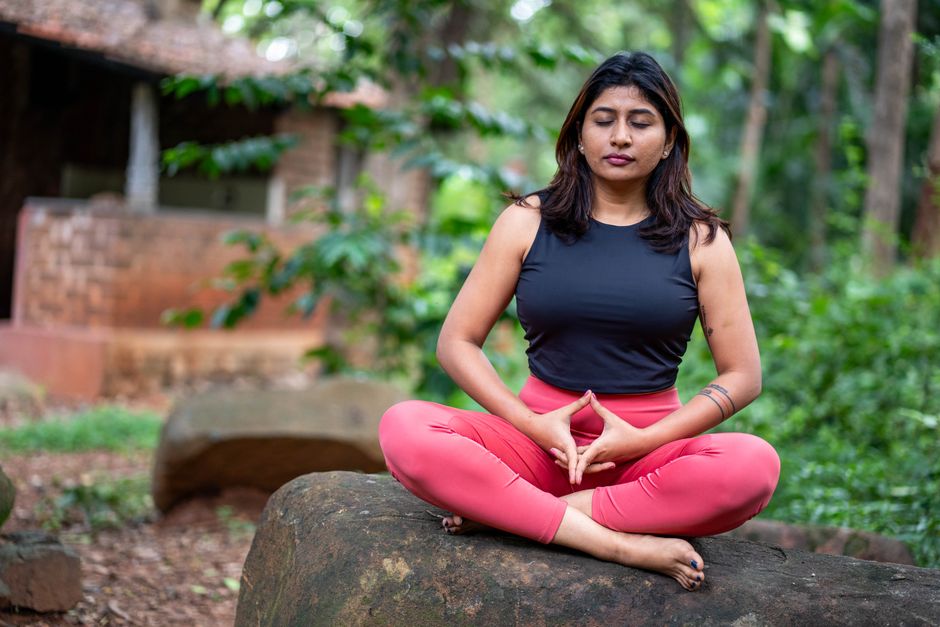
As the city hums with weekend runners along East Coast Park and commuters jostle in Raffles Place, a quiet counter-movement is gaining ground in pockets across Singapore: daily journaling as a mindfulness tool. From the public libraries in Bukit Merah to community living rooms in Bedok, more residents are picking up pens and notebooks each evening, seeking a mental breather amid the urban rush.
The renewed interest in mindfulness comes as mental health has moved further into the spotlight. According to 2023 Health Promotion Board (HPB) data, nearly one in three Singaporeans reported feeling overwhelmed by anxiety or stress most weeks—an increase of 8% since 2019. With global uncertainty and fast-paced work-from-home routines blurring boundaries, many are searching for simple habits to restore clarity and peace.
Local non-profit Brahm Centre, with branches at MacPherson and Novena, reports record attendance at its mindfulness workshops. Tan Tock Seng Hospital’s Mind Science Centre has also ramped up its group therapy sessions, citing demand from university students and retirees alike. But for those unable or unready to join formal classes, journaling offers a private practice that can be picked up at home, on commutes, or even during a lunchtime break in Newton Food Centre.
Journaling as a mindfulness practice is simple to start, inexpensive, and flexible enough to suit Singapore’s diverse neighbourhoods. The National Library Board’s Central Public Library in Victoria Street stocks more than 400 journal and diary formats, with prices at nearby Bras Basah Complex ranging from $2 for a basic notebook to $25 for a hardcover guided journal. Digital options have soared as well—apps like Journey (developed in Singapore) report a 35% increase in local downloads during the first half of this year.
Guided group sessions are also springing up at Heartbeat@Bedok’s Wellness Hub, which runs monthly “Mindful Journaling” evenings. Participants are encouraged to jot down three feelings or observations each night, a process HPB instructors say can take as little as five minutes. Community mental health educator Soh Ling, who runs workshops in Toa Payoh, recommends beginning with prompts like "What was the best part of my day?" or "What challenge did I face, and how did I respond?" Even brief daily check-ins help break the cycle of rumination and foster a more attentive awareness of thoughts, she says.
Research backs up these efforts. A study published last year by the Institute of Mental Health and National University of Singapore surveyed 1,200 adults and found that those who journaled at least three times weekly reported a 22% reduction in self-rated stress symptoms after one month. The effect was most pronounced among those under 35, but older adults also saw improvements in sleep and mood stability.
To begin, all that’s needed is a pen, a notebook or app, and a quiet moment. Experts at the Braun Büffel flagship in Marina Bay Sands recommend pairing journaling with an existing habit—such as your morning kopi at Funan’s Ya Kun Kaya Toast—or making it a regular part of winding down before bed. Setting a gentle reminder on your phone, or keeping your journal visible on your bedside table, can help build consistency.
For those seeking more structure, the HPB offers free downloadable templates as part of its #BetterTogether initiative—available on its website and at all HealthySG clinics—including gratitude lists, mood trackers, and reflection prompts. Several HDB community clubs, including those in Queenstown and Clementi, host free monthly sharing circles for residents who want accountability and connection. While not every day will bring deep insights, mental health advocates emphasise that regular practice, rather than perfection, is key.
The act of stopping, noticing, and writing—even for just a few minutes—can create a rare pocket of calm in the busy rhythm of Singapore life. As the number of mindfulness resources grows citywide, residents now have more opportunities than ever to start small, tune in, and find their own island of peace—one entry at a time.
About this article
Published by The Daily Singapore
Spread the word
Daily brief
Free, in your inbox before 7am. Weekdays.
Before you go
The day's Singapore news in a 2-minute read. Free, weekday mornings.