Wellness
A Guide to Meditation Classes, Groups, and Apps Worth Trying in Singapore
From weekly sessions at the Botanic Gardens to neighbourhood pop-ups and virtual tools, mindfulness habits are flourishing locally.
4 min read
Updated 5 h ago
Wellness
From weekly sessions at the Botanic Gardens to neighbourhood pop-ups and virtual tools, mindfulness habits are flourishing locally.
4 min read
Updated 5 h ago
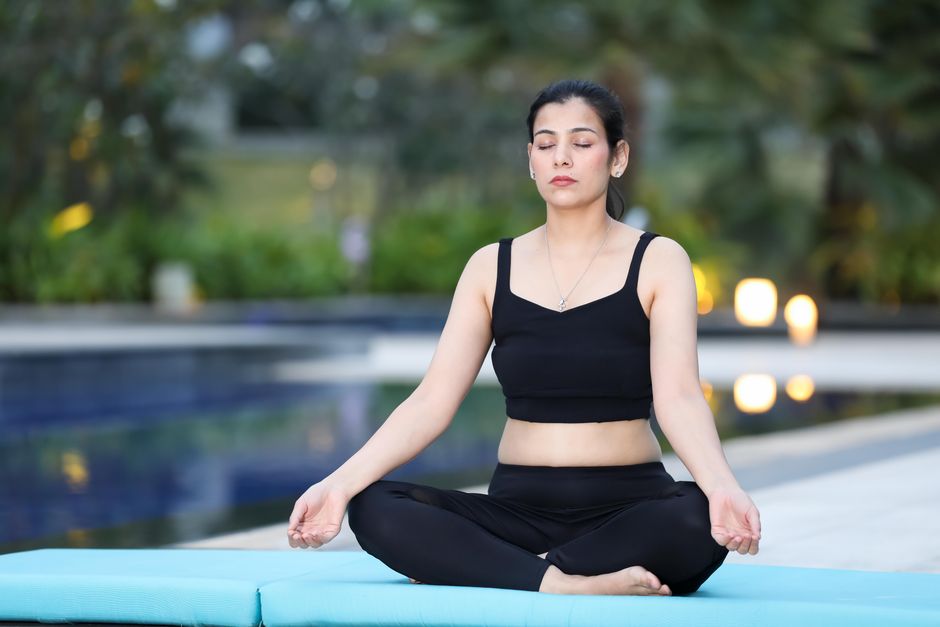
Saturday mornings at Bishan-Ang Mo Kio Park now come with a new soundtrack: the quiet hum of deep breathing and gentle gongs. In the grass near McDonald's, meditators from Mindful Muslim Circle gather in a loose semicircle, practising guided awareness among the dragonflies. They're not alone. Across Singapore, meditation classes — both in-person and digital — are seeing a surge in interest.
The city’s embrace of mindfulness comes at a time of growing wellness anxiety. Polytechnics have reported record sign-ups for stress management seminars. The Health Promotion Board made stress reduction a key tenet of its latest "Live Well, Every Day" campaign, citing local studies that show one in three working adults regularly feels overwhelmed. Amid the desk-bound grind, accessible classes — not just glossy retreats — are top of mind for residents from Clementi to Tampines.
Singapore’s biggest drop-in meditation group, The Meditation Initiative SG, meets every alternate Thursday at Room 02-01, Kampong Glam Community Club. Sessions are free, with cushions provided, and attract up to 40 participants ranging from students to retirees. For a more structured experience, Jal Yoga’s outlets in Katong and Upper Bukit Timah offer mindfulness and breathwork classes (S$28 per drop-in session; package rates available). Over in the Botanic Gardens, the Singapore Mindfulness Project hosts weekly 90-minute workshops under the shade of Tembusu trees—open to everyone for S$12, mats included. Community-based options are also growing: Toa Payoh East Community Club is piloting 60-minute guided meditation pop-ups by Mind Body Circle on weekday evenings through August (S$6 per session, first-timers free).
For those who prefer to meditate through movement, U Move Fitness at West Coast offers lunchtime qigong and mindful stretching five days a week. "We see CEOs alongside retirees from the HDB blocks," said one session facilitator, who noted an uptick in lunchtime class bookings after the June mid-year review season.
Some Singaporeans are taking their mindfulness practice online. The locally developed MindFi app has grown its user base to over 45,000 monthly active users since 2025, according to recent company disclosures. Popular for its five-minute guided audios, MindFi partners with several local employers—including St Luke’s ElderCare and JustCo coworking spaces—to offer corporate subscription packages. A basic individual plan costs S$7.98/month, and the app includes features such as bilingual prompts (English and Chinese), daily check-ins, and sleep stories voiced by Singaporean narrators.
The Insight Timer app, while global, has become a staple among locals for free meditation tracks and is often recommended by HealthHub.sg in its digital wellness resources. At least 3,000 Singapore-based users log on each week, according to app analytics released in May. Meanwhile, Meditasi Sg, a Telegram community with over 900 members, facilitates virtual group sits and real-time Q&A with local guides every Sunday night.
Singapore’s appetite for mindfulness is also apparent in the data. Health Promotion Board surveys from 2025 report that 37% of Singaporeans aged 20 to 44 have tried a meditation or mindfulness class or digital session in the past year—a record high. The same survey notes that 61% of these participants attended at either a community club or via an app, emphasising the shift toward convenient, accessible formats.
For newcomers, practical options are multiplying. Residents can sample a free community class at their nearest HDB estate gym or community club, many listed on OnePA.gov.sg. Virtual options are easy to access: both MindFi and Insight Timer offer free trials, with most basic audio tracks available at no charge. The Singapore Mindfulness Project also maintains a bilingual resource directory with reviews of local studios, including accessibility information for seniors and children. As classes fill up fast—especially those near neighbourhood parks—early sign-ups are recommended.
Above all, local instructors stress that meditation practice doesn’t require perfection. Five minutes on the MRT ride to work, twenty minutes before bed, or a guided walk at Bukit Timah Nature Reserve can all serve as valid starting points. With Singapore’s growing patchwork of offline and digital mindfulness resources, there’s little standing in the way of a calmer mind—other than taking that first breath.
About this article
Published by The Daily Singapore
Spread the word
Daily brief
Free, in your inbox before 7am. Weekdays.
Before you go
The day's Singapore news in a 2-minute read. Free, weekday mornings.