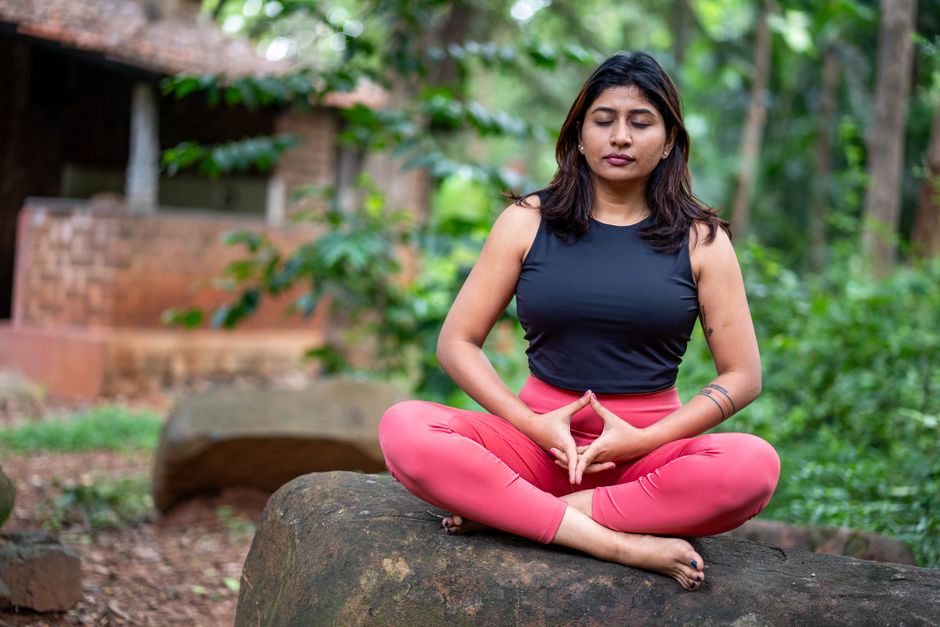
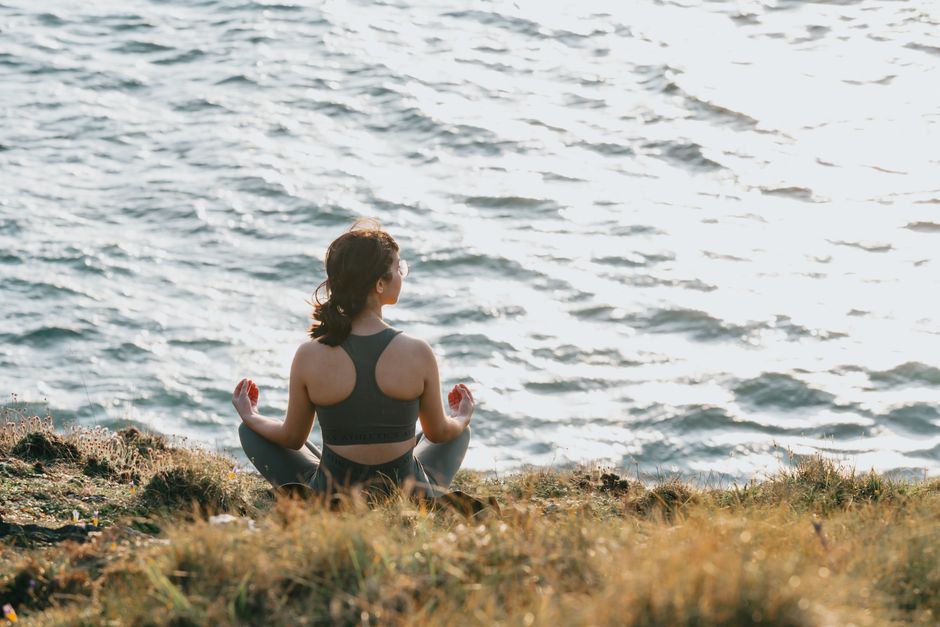
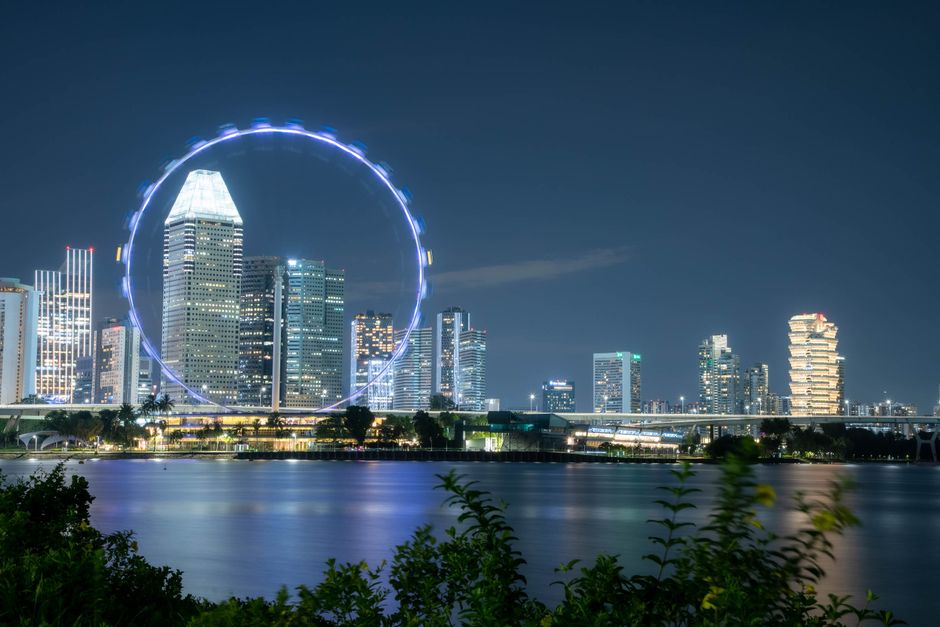
On Saturday mornings, the quiet lawns of Singapore Botanic Gardens become a hub for peaceful focus, as a growing number of residents gather for group meditation sessions run by Mindful Space, a local studio that has seen its sign-ups double in the past year. Meditation and mindfulness, once niche in the city, are rapidly gaining traction amid growing concerns about work-life balance and mental well-being.
Demand for structured relaxation is soaring. According to the 2024 Annual Wellness Survey conducted by the National Population Health Survey, 46% of Singaporeans aged 21 to 45 reported experiencing high stress levels, citing work pressures and fast-paced urban living as drivers. This has sent many searching for accessible ways to de-stress, making meditation classes and mindfulness apps a timely lifeline for city dwellers.
Practising Mindfulness, From Classrooms to Parks
Tucked above a bakery on Yong Siak Street in Tiong Bahru, One Heart Meditation Centre now offers weekly drop-in classes for $20, open to all experience levels. Popular sessions include guided mindfulness, breathwork, and yoga nidra. For those on the east side, The Wellness Path at Katong V runs monthly sound healing meditations and lunchtime breathwork sessions, with group classes starting from $25. Community-driven initiatives, such as the Mindfulness Walks at East Coast Park, have also gained momentum. Organised every first and third Sunday by the Marine Parade Community Club, these slow-paced group walks are free and focus on silent reflection as much as exercise.
For young families or individuals on a budget, the Health Promotion Board’s Healthy Living Festival—slated for return at Bedok Community Centre in August—features complimentary taster sessions in mindfulness and breathing. Meanwhile, Boon Lay Polyclinic piloted a four-week evening mindfulness course last year for patients managing hypertension and chronic pain, with plans to expand to two more polyclinics by the end of 2026.
Data, Apps and the Next Step
Official numbers back the interest. Local app MindFi, founded in Singapore in 2017, reports more than 100,000 active monthly users, with premium access costing $9.98 a month. Headspace and Calm remain popular, but MindFi’s content—ranging from local dialect meditations to workplace stress modules tailored for Singapore employers—has drawn praise for its relevance. According to the Singapore Mental Health Study 2024, 41% of respondents who practised some form of meditation weekly reported improved sleep quality and reduced anxiety.
For those new to meditation, experts recommend starting small: try five minutes a day with an app before stepping into a group class. The public libraries, such as the Central Public Library at Victoria Street, now stock mindfulness audiobooks and publish monthly lists of recommended reads on personal well-being. Many also participate in the National Library Board’s Mindful Mondays online sessions, free for all residents with an NLB account.
Singapore’s growing ecosystem of classes, grassroots groups and apps provide a practical avenue to build moments of calm into even the busiest schedule. For most, the next step is simply choosing a session or app and giving it a try—one mindful breath at a time. Always consult a local medical professional when making significant changes to your mental health routine.