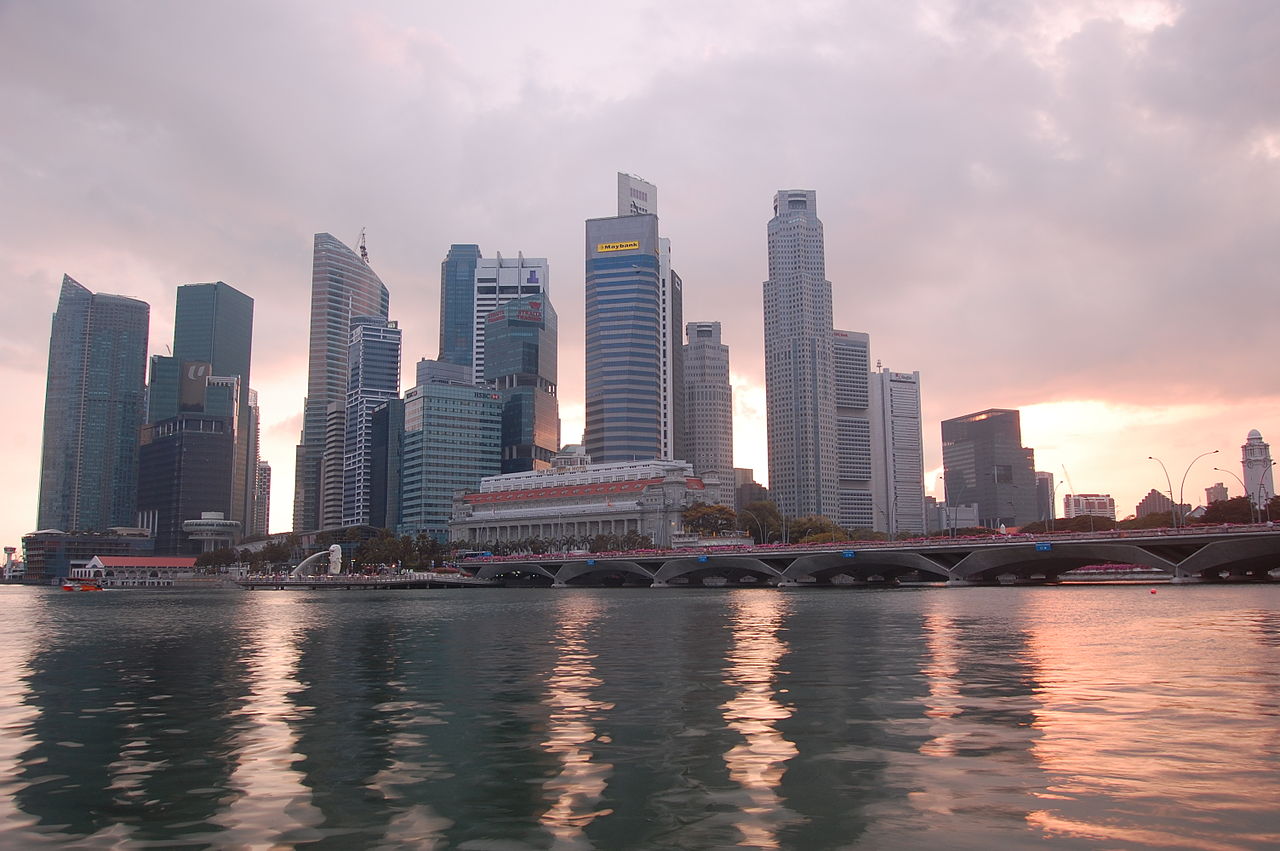
Walk into any trading house along Raffles Place on any given morning, and you'll hear the same refrain: the world has become a more complicated place to do business. And for Singapore—a nation whose prosperity is entirely dependent on international commerce—that complication translates directly into boardroom anxiety and strategic overhauls.
Recent global developments underscore the point. High-profile mining deals involving major figures, ongoing Middle East tensions threatening shipping routes through the Strait of Hormuz, and geopolitical fractures in Africa and South Asia are creating what one industry observer calls "a cascading uncertainty" for Singapore's trading, logistics, and financial sectors.
The impact is tangible. Shipping companies operating from the Port of Singapore—still the world's busiest transshipment hub—are quietly rerouting vessels and adjusting insurance premiums. Traders at Exchange Tower and the surrounding financial district are hedging currency exposures more aggressively. And regional supply chain managers are having urgent conversations about buffer inventory levels, particularly for commodities like minerals and energy.
"When you have political instability in resource-rich regions, or military tensions near major maritime chokepoints, Singapore feels it immediately," explains one logistics executive based in the Marina Bay area. The nation handles roughly 130,000 vessels annually and processes goods worth over $1.3 trillion—meaning any disruption ripples through every sector from petrochemicals to electronics manufacturing.
The current environment presents specific challenges. Pakistan-Afghanistan tensions, disease outbreaks in Central Africa, and shifting U.S.-Iran relations all affect different aspects of Singapore's economy. Pharmaceutical importers, for instance, are reviewing sourcing strategies. Energy traders are recalculating risk premiums on crude oil. Agricultural commodity houses are reassessing African supplier relationships.
Yet this turbulence also creates opportunities. Companies in Tanjong Pagar and beyond are investing in supply chain diversification, nearshoring strategies, and digital platforms to navigate volatility more effectively. The demand for sophisticated hedging products, geopolitical risk analysis, and logistics innovation has never been higher.
For Singapore's business leadership, the lesson is clear: in an era where Venezuelan collapses, European security incidents, and African health crises can cascade into local market movements within hours, maintaining competitive advantage requires constant environmental scanning and institutional agility. The days of treating Singapore's business environment in isolation are definitively over. The global context isn't just background noise—it's the primary driver of local strategic planning.
This article was compiled by AI from the sources linked above and screened before publishing. See our editorial standards.