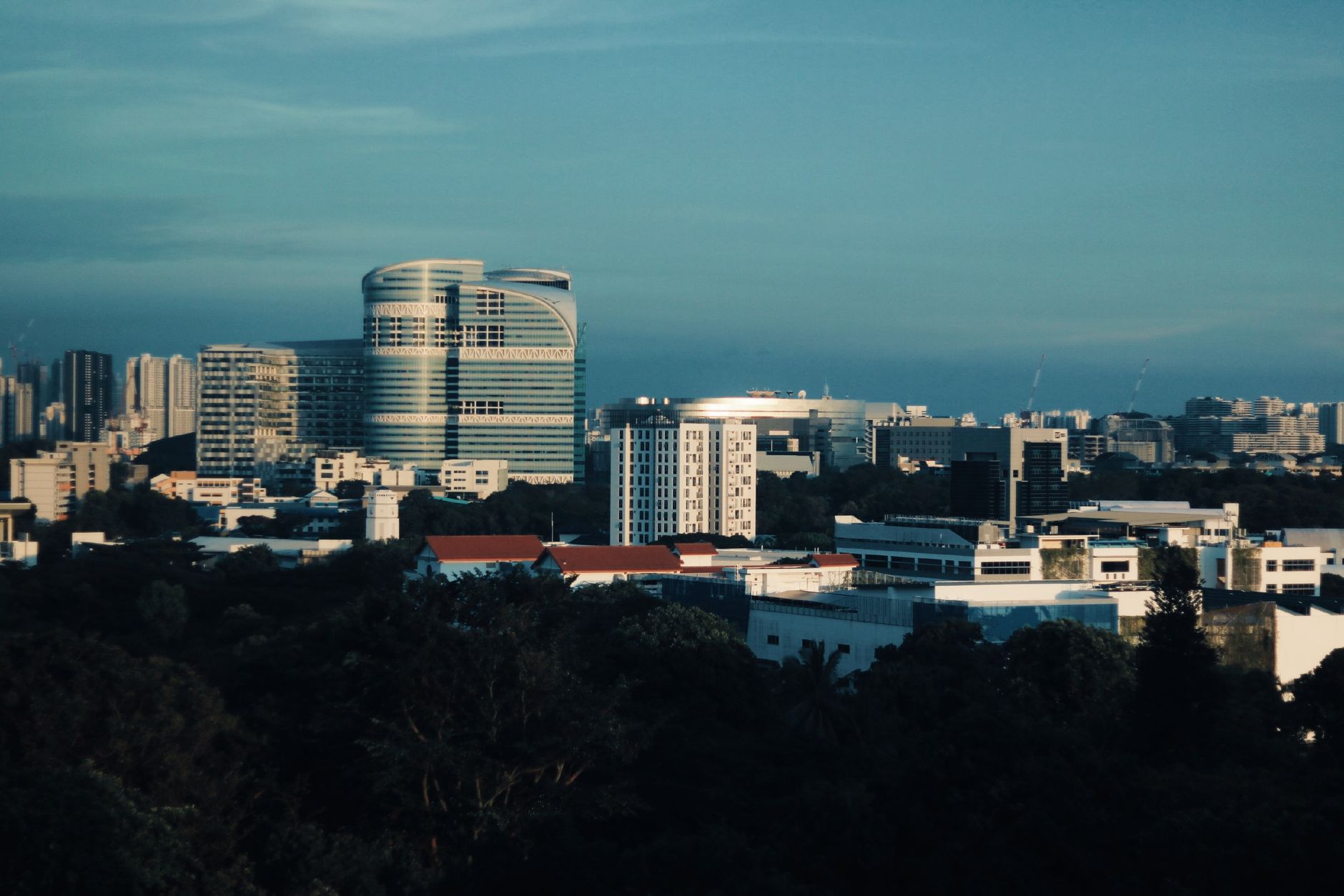
Walk along Orchard Road or through the heartland malls of Tampines and Jurong East, and the vitality of Singapore's retail and hospitality sector appears intact. Yet beneath the surface, operators are confronting a convergence of challenges that are fundamentally reshaping the business landscape in 2026.
Rental costs remain stubbornly elevated. Premium retail spaces in the Orchard corridor command upwards of S$1,200 per square metre monthly, while even secondary locations in neighbourhood centres struggle below S$600. For F&B operators, the mathematics are unforgiving: rental, utilities, and labour typically consume 35-40 per cent of revenue before a single dish is plated. Coupled with electricity tariffs that have risen 8-12 per cent year-on-year, many proprietors are reaching breakeven thresholds that demand higher cover rates and menu prices—precisely when consumer spending has become more cautious.
Labour shortage remains acute. The Ministry of Manpower has maintained strict dependency ratios for foreign workers in the sector, while Singapore's working-age population growth stagnates. Wage inflation in hospitality has averaged 4-6 per cent annually, far outpacing productivity gains. Small operators managing three or four outlets across the CBD, East Coast, or Bukit Timah lack the scale to absorb these increases without passing costs to customers.
Supply chain fragmentation is another persistent headwind. Ingredient sourcing—particularly for F&B establishments reliant on imported proteins, dairy, and specialty items—remains volatile. Logistics costs, though improved from pandemic peaks, have not returned to pre-2020 levels. This unpredictability makes menu planning and pricing forecasts increasingly difficult.
Consumer behaviour is simultaneously shifting. Younger demographics are gravitating toward quick-service formats and food courts rather than table-service establishments. Retail footfall in traditional shopping malls has declined as online commerce—particularly in fashion, electronics, and groceries—claims growing market share. Even flagship locations like VivoCity and Ngee Ann City report modest same-store sales growth and declining tenant profitability.
The Singapore National Retailers Association and the Singapore Hotels Association have increasingly flagged concerns about margin compression. Several established names—from casual dining chains to independent boutiques—have consolidated their footprints or exited certain neighbourhoods entirely over the past 18 months.
For operators with strong capital reserves, diversified revenue streams, and digital competencies, survival and modest growth remain achievable. For marginal players, particularly single-location proprietors in secondary zones, 2026 may prove to be a defining year. The sector's trajectory will likely depend on how quickly consumer confidence rebounds and whether operational efficiencies can meaningfully offset structural cost pressures.
This article was compiled by AI from the sources linked above and screened before publishing. See our editorial standards.