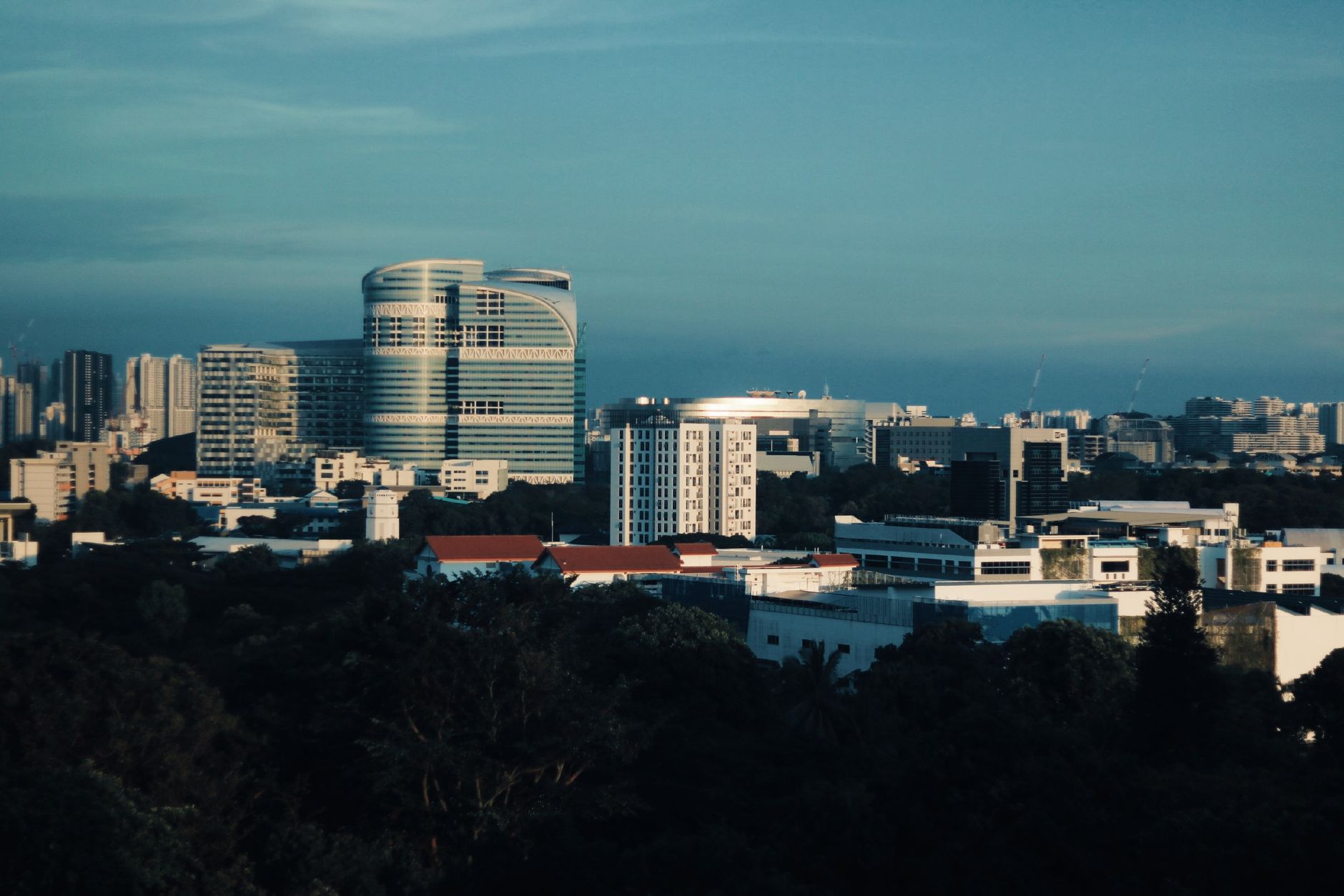
For years, Singapore's innovation efforts felt scattered across multiple neighbourhoods. But a quiet consolidation is reshaping the landscape, and those positioned early in the emerging biotech and life sciences corridor spanning from the Science Park through to Biopolis are already seeing tangible returns.
The shift became apparent when several mid-sized biotech firms migrated from Central Business District spaces to dedicated facilities in the Science Park area over the past 18 months, citing a combination of lower rental costs—hovering around SGD 8-12 per square foot compared to CBD rates near SGD 25—and proximity to research institutions. Real estate agents report a 22 per cent uptick in enquiries for lab-ready spaces in the precinct since early 2025.
"The economics have changed," says one property manager at a Science Park facility who tracks tenant demand. Biotech founders increasingly view the dedicated ecosystem as essential rather than optional, particularly those targeting clinical trials and regulatory pathways where proximity to talent clusters matters.
This concentration is drawing institutional backing. Over the past eight months, three venture capital firms have either opened satellite offices or increased their presence in the precinct, with at least SGD 340 million in committed capital earmarked for life sciences startups in the region. Meanwhile, established pharmaceutical players—including divisions of two multinational giants—have expanded their footprints, creating downstream opportunities for service providers and specialist contractors.
The winners so far include commercial landlords controlling inventory in the Science Park area, who are repositioning vacant industrial space and achieving higher occupancy rates. Construction firms specialising in laboratory fit-outs report backlogs extending into 2027. Office support services, catering operations, and specialised recruitment firms serving the biotech sector have all seen revenue uplift.
Government backing has been crucial. The Economic Development Board's explicit focus on deepening life sciences capabilities has translated into infrastructure investment, tax incentives for qualifying biotech entities, and fast-tracked permitting for facility upgrades.
However, sustainability of this advantage depends on talent retention and regulatory clarity. Competing regional hubs in South Korea and Australia are making aggressive moves. Local universities are also quietly rethinking their research commercialisation strategies, potentially diverting promising discoveries away from Singapore-based spinouts.
For investors and entrepreneurs not yet positioned in the emerging precinct, the window for entry at current valuations and rental rates may be narrowing. Those already embedded—whether as facility operators, service providers, or early-stage founders—are navigating a rare moment when geography and policy alignment are working in their favour.
This article was compiled by AI from the sources linked above and screened before publishing. See our editorial standards.