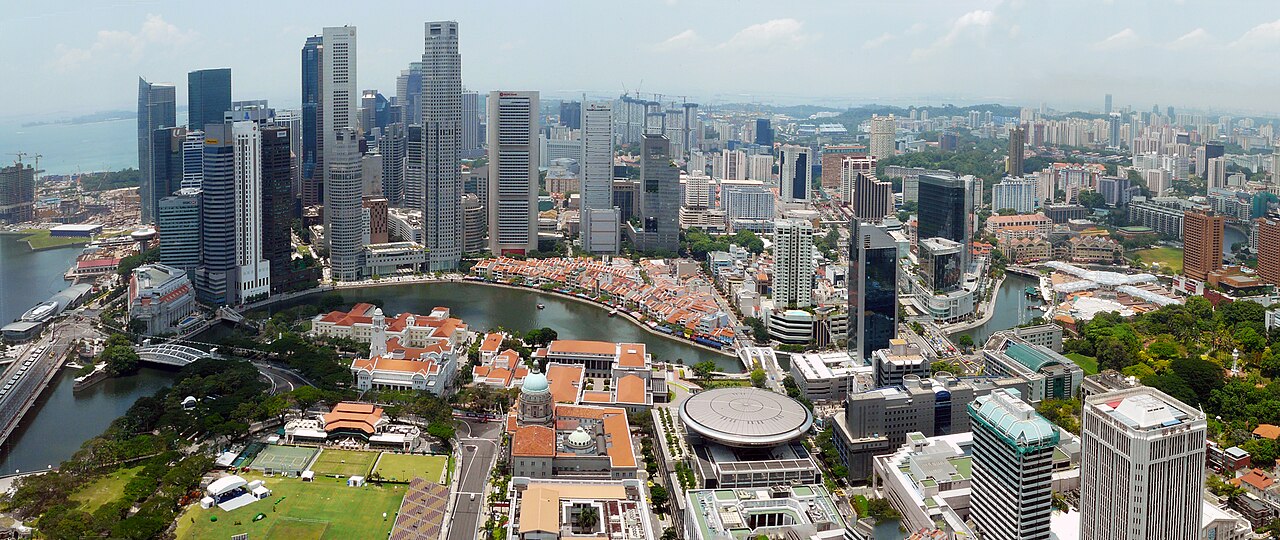
Singapore's Biopolis in Buona Vista has long served as a hub for multinational pharmaceutical research. But a quieter shift is reshaping the ecosystem: experienced biotech professionals, laid off or reassigned by global giants downsizing regional operations, are launching their own ventures—and investors are taking notice.
The trend mirrors patterns seen in other innovation hubs, yet Singapore's concentration of regulatory expertise, proximity to Southeast Asian patient populations, and government backing through agencies like Enterprise Singapore make the timing particularly opportune. Market analysts estimate the regional clinical research services market will grow at 12.3 per cent annually through 2030, with Singapore capturing an outsized share.
One clearest beneficiary: contract research organisations (CROs) and laboratory service providers operating from spaces like the Science Park on The Queensway and the newer Novena biomedical precinct. These firms connect academic discoveries with commercial viability—a critical but under-supplied function. A 2025 survey by Singapore Biobusiness Initiative found 47 per cent of local biotech SMEs struggle to access affordable preclinical testing services within the region, forcing them to outsource internationally at 30-40 per cent premium costs.
Young entrepreneurs with PhDs from institutions like the National University of Singapore and Nanyang Technological University, combined with 15-20 years of industry experience, are well-positioned to fill this gap. Several have established operations in Tanjong Pagar's converted warehouse spaces, where rental costs remain substantially lower than prime Biopolis locations—typically $4-6 per square foot monthly, versus $8-12 in the main cluster.
The infrastructure supporting them has matured too. JTC Corporation's biomedical facilities now include built-in laboratory spaces tailored for startups, while institutions like A*STAR's Biomedical Research Council actively mentor spin-offs. The government's Enterprise Development Grant programme covers up to 70 per cent of qualifying costs for developing new diagnostic or therapeutic services.
Venture capital interest has surged accordingly. In the first half of 2026, biotech startups in Singapore raised S$156 million—nearly double the comparable 2024 period, according to preliminary data from the Singapore Economic Development Board.
For experienced researchers considering entrepreneurship, the window appears genuinely open. Global consolidation in pharma has created both a talent pool and genuine market demand for the precise services these founders can provide. Whether that opportunity sustains depends on Singapore's ability to retain talent and maintain the regulatory predictability that makes it attractive versus other Asian biotech hubs.
This article was compiled by AI from the sources linked above and screened before publishing. See our editorial standards.