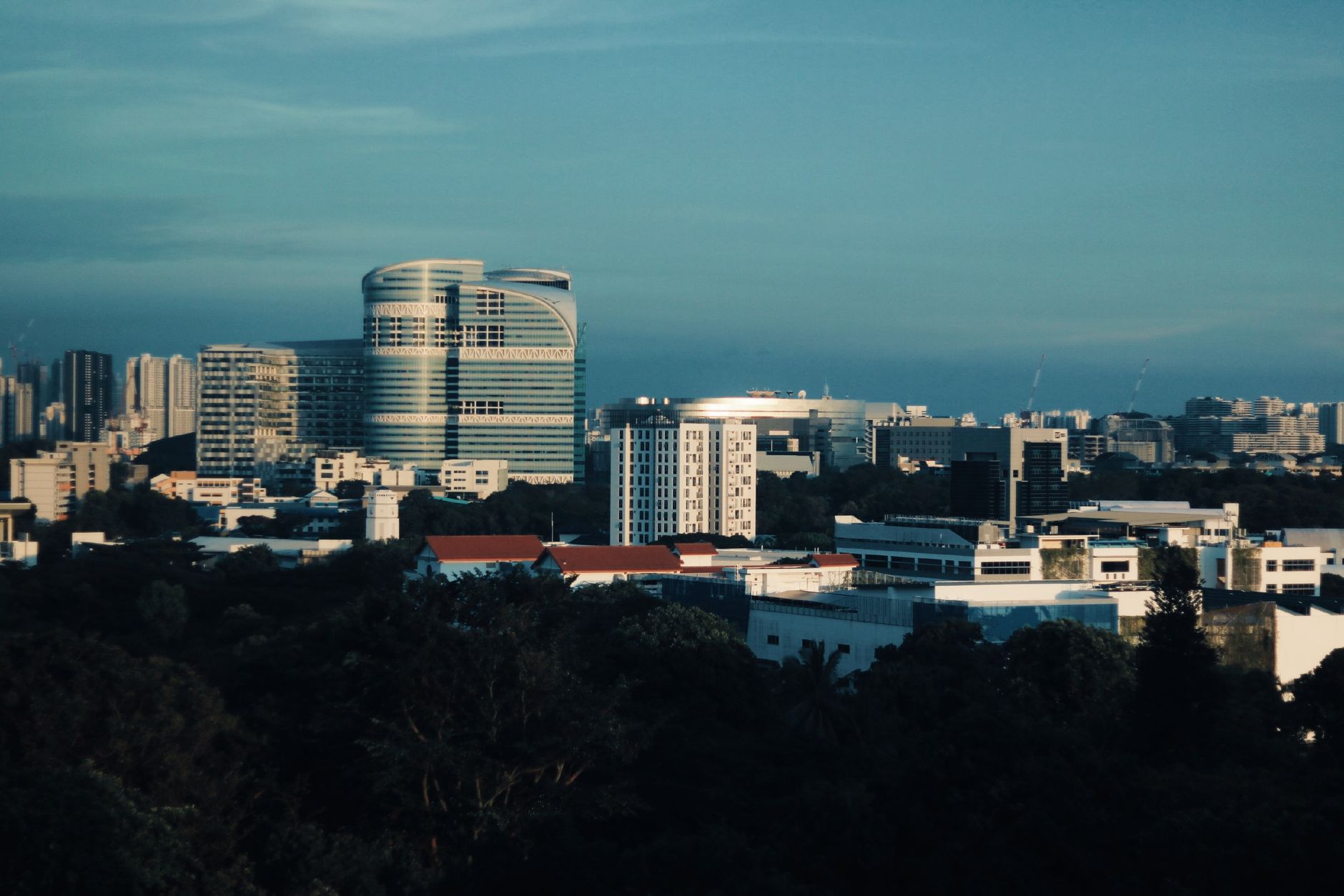
Singapore's employment landscape is sending mixed but broadly optimistic signals as mid-2026 unfolds. The latest data reveals a labour market buoyed by steady foreign direct investment and strategic sector shifts that are reshaping where jobs are being created—and destroyed.
The Ministry of Manpower reported an unemployment rate hovering around 2.1 per cent in April, well below the pre-pandemic norm of 2.3 per cent. Yet beneath this headline figure lies a more nuanced story. While the financial services hub along Raffles Place continues to attract talent and capital, the pace of job creation in routine administrative roles has slowed noticeably. Meanwhile, tech companies clustering around Block 71 in Ayer Rajah and the emerging innovation corridor near one-north are actively hiring, particularly for data science and software engineering positions.
Investment flows paint a telling picture. Foreign institutional investors have deployed approximately US$8.2 billion into Singapore ventures in the first half of 2026, according to preliminary figures from the Economic Development Board. This represents a 12 per cent increase year-on-year, with particular strength in green technology, wealth management, and artificial intelligence sectors. These capital inflows typically precede hiring waves by three to six months, suggesting robust employment growth ahead.
The property sector, however, offers a cautionary note. Commercial real estate vacancy rates in the Central Business District edged up to 6.8 per cent, the highest in three years, as some multinational corporations consolidate office space or shift to hybrid arrangements. This structural change has dampened demand for support services—cleaning, catering, and administrative roles tied to office occupancy.
Salary growth remains modest at roughly 2.5 per cent annually across most sectors, lagging inflation expectations of 2.8 per cent. Finance professionals and specialists in renewable energy command premiums of 4 to 6 per cent, reflecting acute talent shortages. Conversely, general administrative and logistics roles are experiencing downward wage pressure as automation gains ground.
What should workers and employers take from this data? The message is straightforward: Singapore's economy is resilient and attracting capital, but transformation is underway. Sectors aligned with the nation's sustainability and digital ambitions—think green shipping finance or AI-driven healthcare tech—offer genuine career momentum. Traditional administrative and operational roles face headwinds, particularly those vulnerable to automation.
For jobseekers, the current environment rewards skill acquisition in emerging fields. For employers, the competitive talent market means investment in training and workplace flexibility remains essential to retain staff. The investment flows are real; the opportunities are genuine. But they're not evenly distributed across all sectors or skill levels.
This article was compiled by AI from the sources linked above and screened before publishing. See our editorial standards.