Business
Singapore's Job Market Shifts Gear: What Businesses Must Know Now
As tech layoffs cool and green jobs surge, local employers are recalibrating hiring strategies amid tighter talent retention and wage pressures.
2 min read
Business
As tech layoffs cool and green jobs surge, local employers are recalibrating hiring strategies amid tighter talent retention and wage pressures.
2 min read
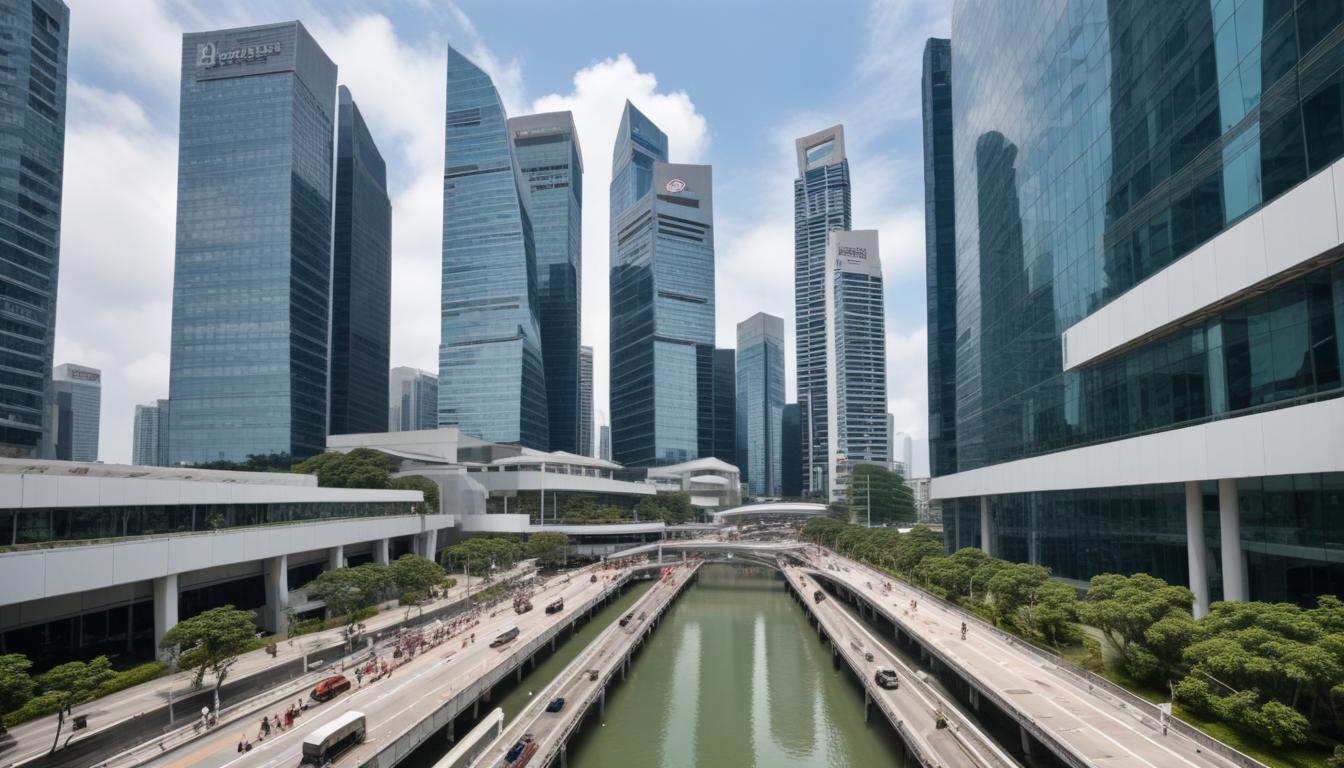
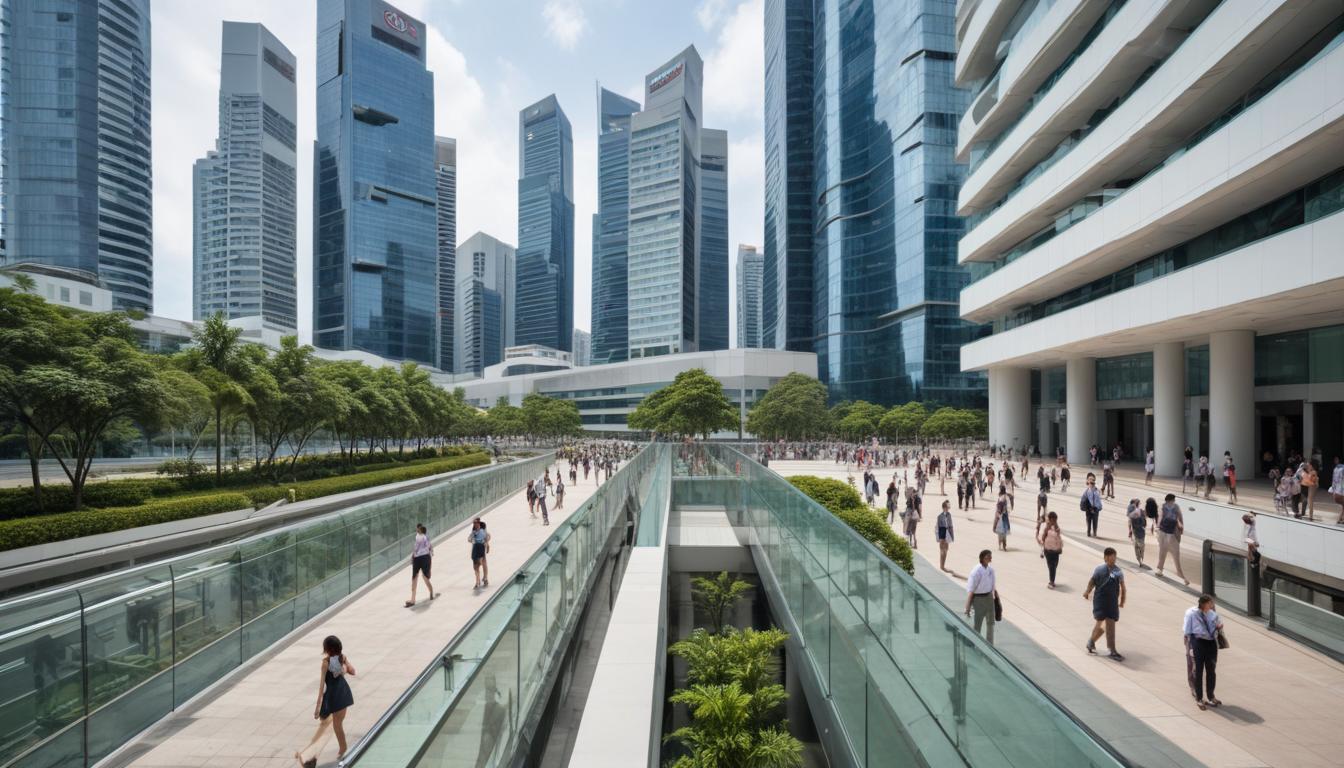
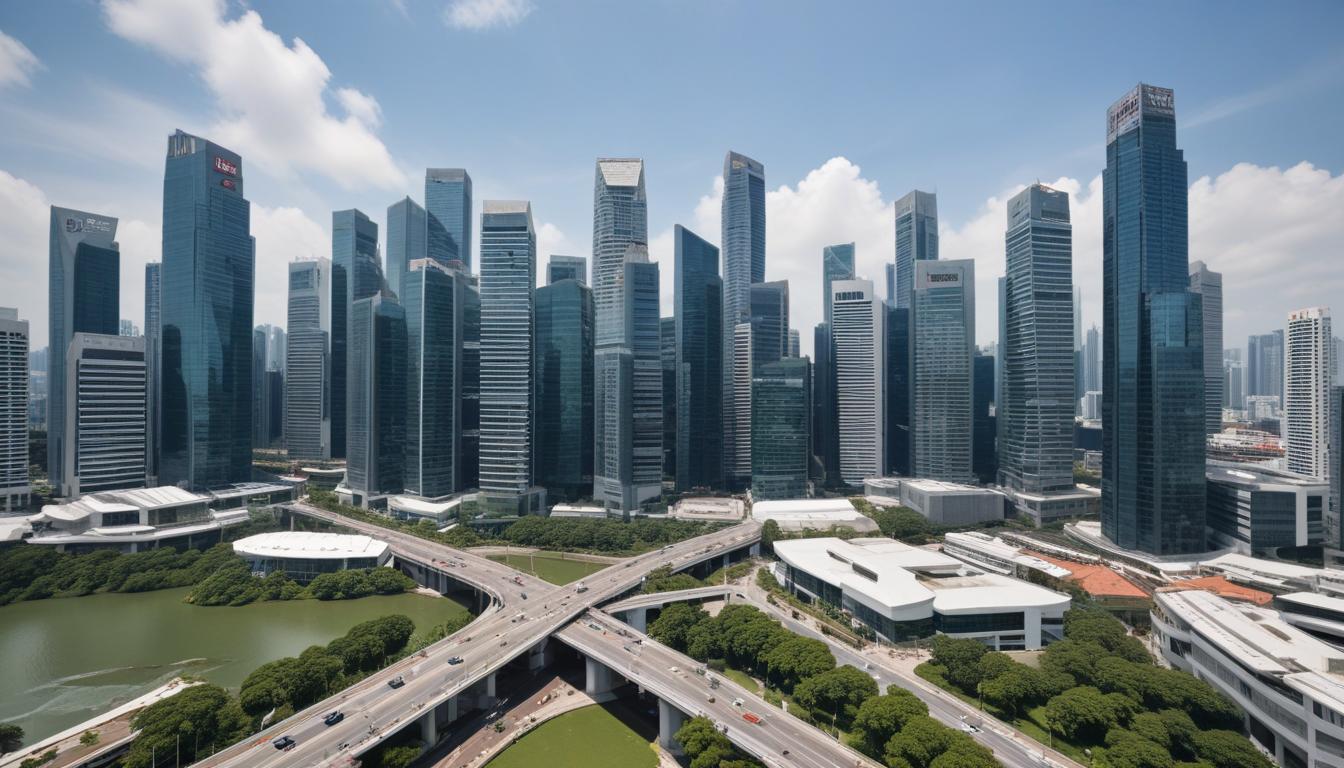
Singapore's employment landscape is undergoing a decisive pivot. After months of uncertainty triggered by global tech sector retrenchments, the local job market is stabilising—but not uniformly. Businesses across Marina Bay, the CBD and beyond are facing a vastly different hiring terrain than they did just 12 months ago.
The latest Ministry of Manpower data reveals unemployment holding steady near 3 per cent, a healthy baseline masking deeper sectoral shifts. Professional services firms clustering along Shenton Way report robust demand for finance and compliance roles, while the tech sector—which shed thousands of positions in 2024 and 2025—is now hiring selectively. Companies are no longer mass-recruiting; they're hunting for niche expertise in artificial intelligence, cybersecurity and data architecture.
What's driving change? Green economy expansion. Singapore's push toward carbon neutrality has triggered genuine hiring momentum in renewable energy, sustainable logistics and environmental consulting. Firms in the Jurong Innovation District report filling vacancies faster in clean-tech roles than in traditional sectors. Yet paradoxically, mid-level talent remains scarce. Employers complain of a mismatch: too many junior candidates, insufficient experienced professionals willing to move roles.
Wage dynamics are equally telling. Entry-level salaries in central business district roles have softened slightly—fresh graduates in finance roles now command $3,200–$3,800 monthly compared to $3,500–$4,200 two years ago. Senior positions, however, command premiums. Mid-career professionals in critical shortage areas are seeing offers jump 8–12 per cent annually as competition intensifies.
Retention is now the silent crisis. With hiring options expanding, employee turnover has accelerated. Human resources teams from multinational corporations headquartered in the Marina Bay financial precinct report losing staff to regional competitors offering remote-work flexibility and relocation packages. Singapore-based enterprises lack this advantage, forcing them to compete on learning opportunities, equity schemes and career progression rather than raw compensation.
Flexible work arrangements, once considered perks, are now baseline expectations. Companies clinging to five-day office mandates struggle to recruit and retain younger talent. Progressive employers across Raffles Place and Robinson Road have already shifted to hybrid models, reshaping real estate strategies for office footprints.
The advisory consensus is clear: businesses must act now. Those delaying talent strategy refreshes risk losing people to competitors who've already adapted. Investment in upskilling existing staff, competitive benefits packages beyond salary, and genuine flexibility aren't optional luxuries anymore—they're survival mechanics in Singapore's 2026 labour market.
This article was compiled by AI from the sources linked above and screened before publishing. See our editorial standards.
Business
Business
Business
Business
About this article
Published by The Daily Singapore
Spread the word
Daily brief
Free, in your inbox before 7am. Weekdays.
The Daily Network — local news across Australia