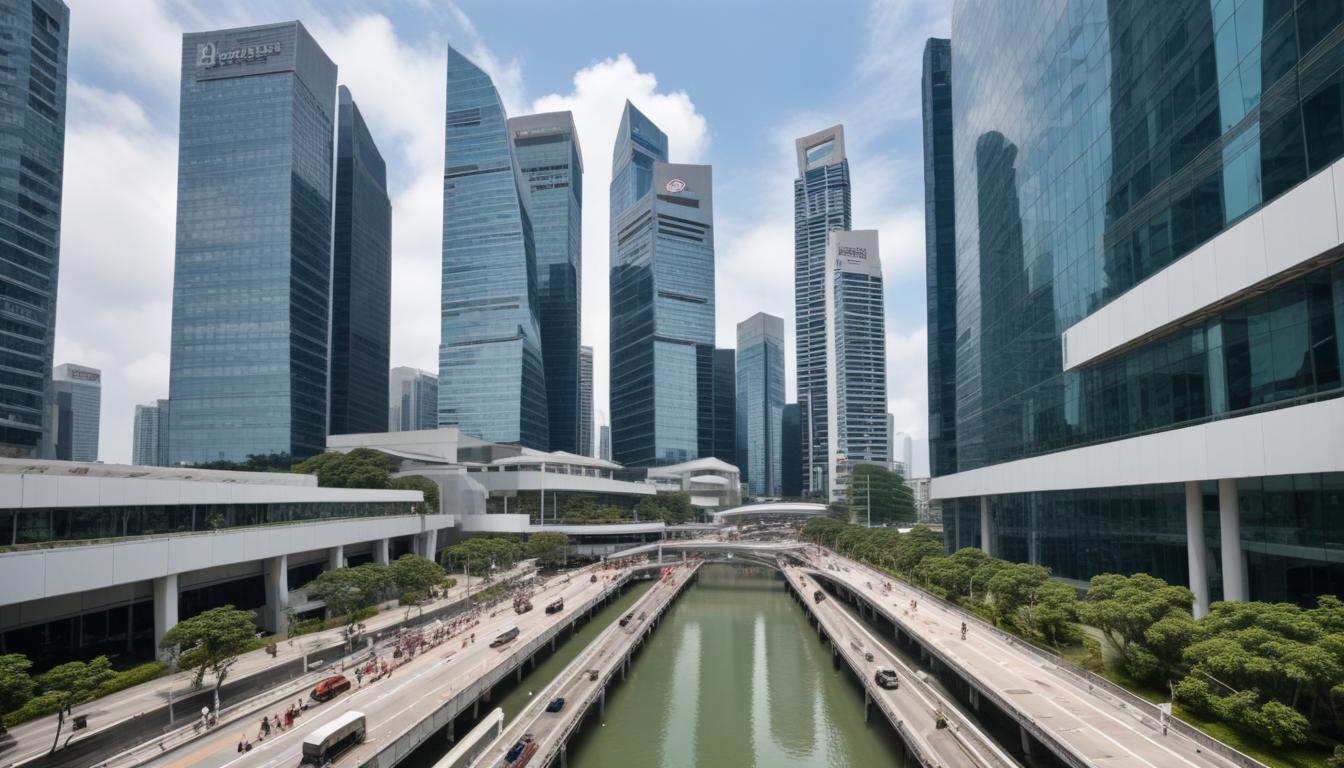
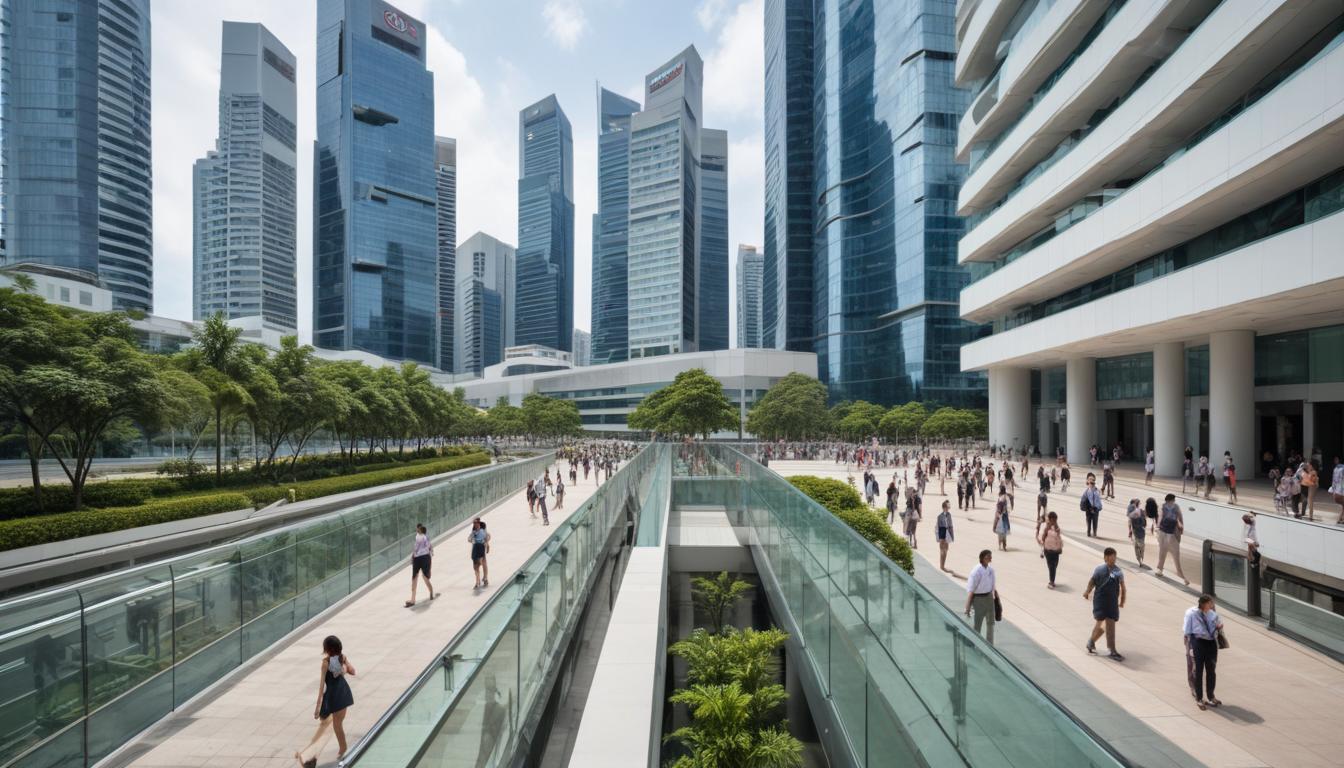
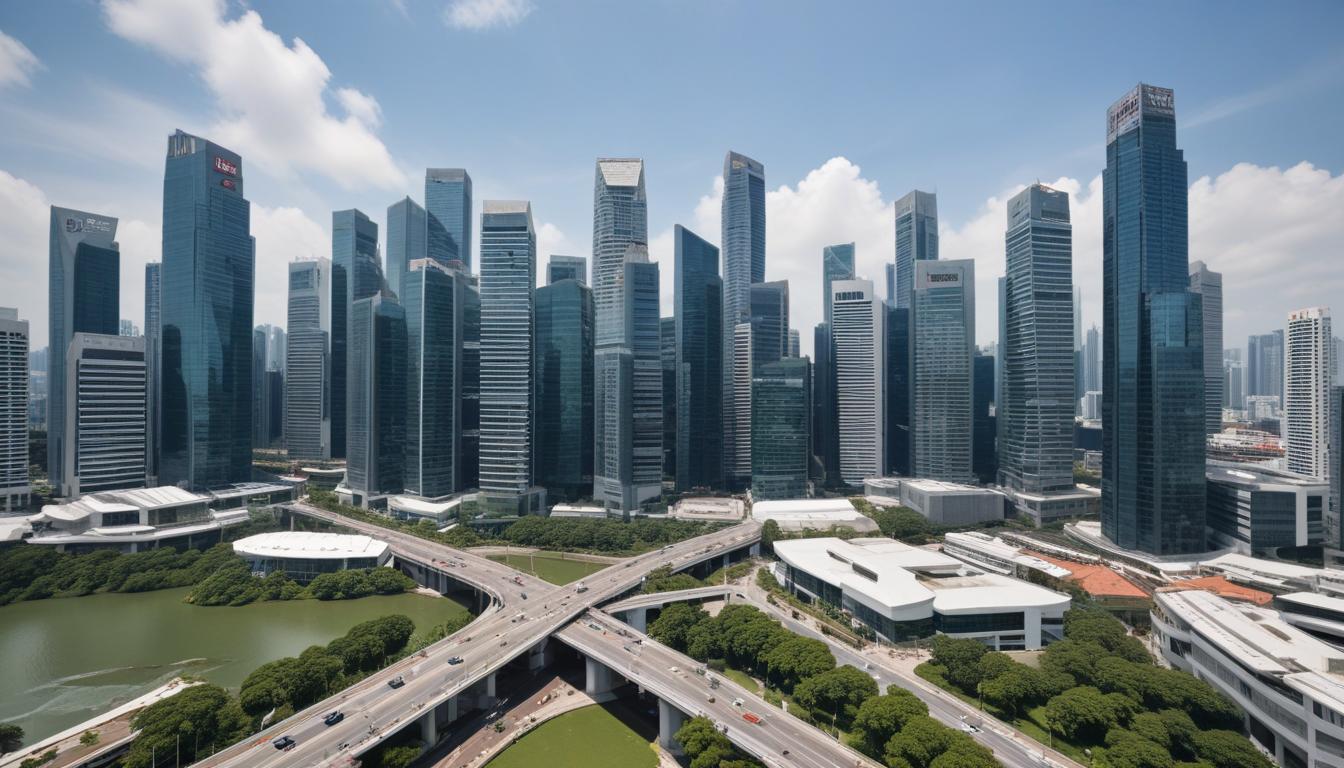
The transformation is unmistakable. Walk through Block 71 in Ayer Rajah or the bustling corridors of one-north and you'll see fewer empty desks than you did three years ago. Singapore's innovation districts have evolved from aspirational concepts into genuine employment powerhouses, reshaping how the city-state attracts, retains, and compensates talent in ways that ripple far beyond the tech sector itself.
The numbers tell a compelling story. According to the Economic Development Board's latest talent report, innovation-focused districts now account for roughly 8 per cent of new job creation in Singapore—a figure that has tripled since 2023. Average salaries for software engineers in these hubs have climbed to SGD 95,000-120,000 annually, substantially above the national median for technology roles. Product managers and data scientists command premiums that would have been unthinkable half a decade ago.
This talent war is forcing strategic recalibration across sectors. Traditional financial services firms, once accustomed to cherry-picking graduates from universities like NUS and NTU, now find themselves competing with well-funded startups and deep-pocketed multinational tech giants anchored in places like the Singapore Science Park and JTC LaunchPad in Jurong. One seasoned banker acknowledged privately that retention bonuses have become standard practice simply to keep mid-level talent from defecting to growth-stage companies offering equity and remote-work flexibility.
The talent pool itself is shifting too. Rather than the predictable pipeline of local graduates, innovation districts are increasingly drawing foreign expertise. Work permit applications for tech professionals have surged 35 per cent year-on-year, with developers and founders arriving from Southeast Asia, India, and beyond. This influx has created a more cosmopolitan workforce culture in areas like the Mapletree Business City and around the expanding Punggol Digital District.
Yet not everyone celebrates unambiguously. Mid-career professionals in non-tech sectors voice frustration about wage stagnation. A 2026 survey by the Institute of Policy Studies found that skilled workers in logistics, manufacturing, and administrative roles feel increasingly sidelined by the innovation economy's allure and financial magnetism. Some sectors are experimenting with upskilling programmes and hybrid roles—logistics companies, for instance, are hiring technologists to build internal platforms—but the gap persists.
For Singapore's policy makers, the challenge is clear: nurture the innovation ecosystem without creating a two-tier talent market that leaves sectors vital to the economy understaffed and demoralised. The coming months will reveal whether initiatives targeting mid-career transitions and sector-agnostic tech skills can rebalance an economy increasingly shaped by innovation districts' outsized pull.
This article was compiled by AI from the sources linked above and screened before publishing. See our editorial standards.