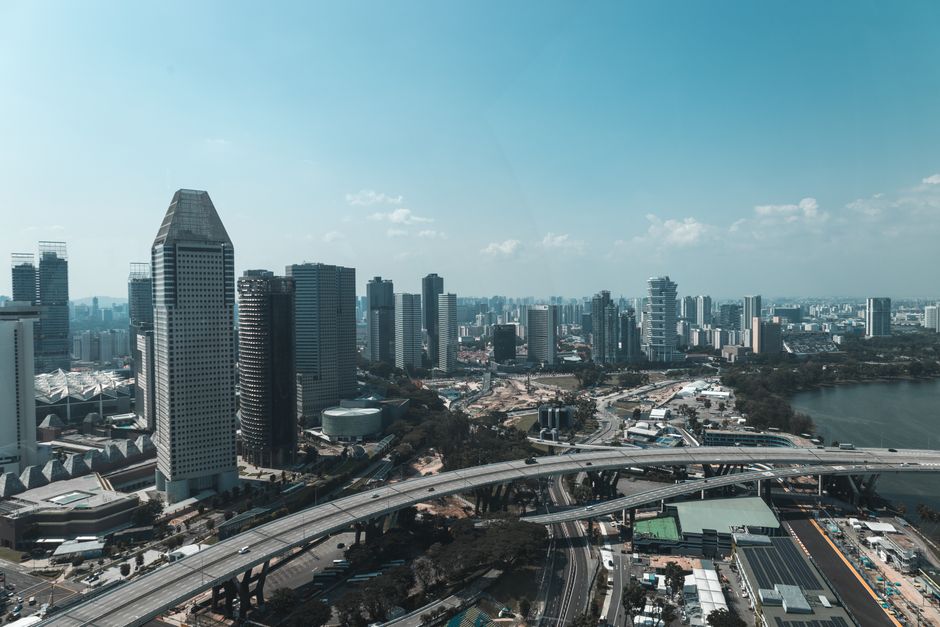
Singapore's commercial property market has long thrived on its reputation as a stable, neutral hub for multinational corporations seeking Asian exposure. But the current geopolitical landscape—marked by escalating Middle East tensions, US-China trade friction, and shifting investment patterns—is forcing local property players and tenants to recalibrate their strategies in ways not seen since the 2020 pandemic shock.
The pressures are evident in the Central Business District. Premium office rents in the Marina Bay precinct have softened to around SGD 12–14 per square foot per month, down from peaks of SGD 16–18 in 2022, according to real estate analysts tracking the market. Companies previously eager to lock in long-term leases in prestigious addresses like One Marina Boulevard or the Marina Bay Financial Centre are now adopting shorter-term arrangements, hedging against uncertainty about staffing levels and regional profitability.
"What we're seeing is a flight to quality, but with caution," says the sentiment among property consultants tracking deals across Raffles Place, Shenton Way, and the CBD core. Multinational firms—particularly those with exposure to the Middle East, Europe, or volatile emerging markets—are deferring expansion plans. Meanwhile, technology and financial services companies, historically Singapore's anchor tenants, are reassessing their footprint as remote work practices mature and hiring freezes become more common.
The ripple effects extend to secondary markets. The Paya Lebar and Tai Seng corridors, once poised for rapid growth, are experiencing slower leasing velocity. Even the newer mixed-use developments along Changi Business Park face headwinds as logistics and trading firms—sensitive to global supply-chain disruptions—postpone commitment.
Interestingly, some sectors are bucking the trend. Firms pivoting supply chains away from conflict-prone regions and those capitalising on energy transition opportunities are actively seeking space. This has buoyed demand for sustainable, LEED-certified office buildings, a silver lining for landlords who invested early in green credentials.
Property agents report that tenant negotiations are increasingly granular: flexible lease breaks, rent escalation caps, and co-working options are now table stakes, not luxuries. The days of five-year, fixed-rate leases commanding premium pricing appear to be fading.
For Singapore's property sector, the lesson is stark: being a safe haven is no longer sufficient insulation from global turbulence. The city's competitive edge now hinges on adaptability—landlords who offer flexibility, and policymakers who signal sustained stability, will win the next cycle. Those betting on a swift return to pre-2025 certainty may find themselves nursing vacant units longer than expected.
This article was compiled by AI from the sources linked above and screened before publishing. See our editorial standards.