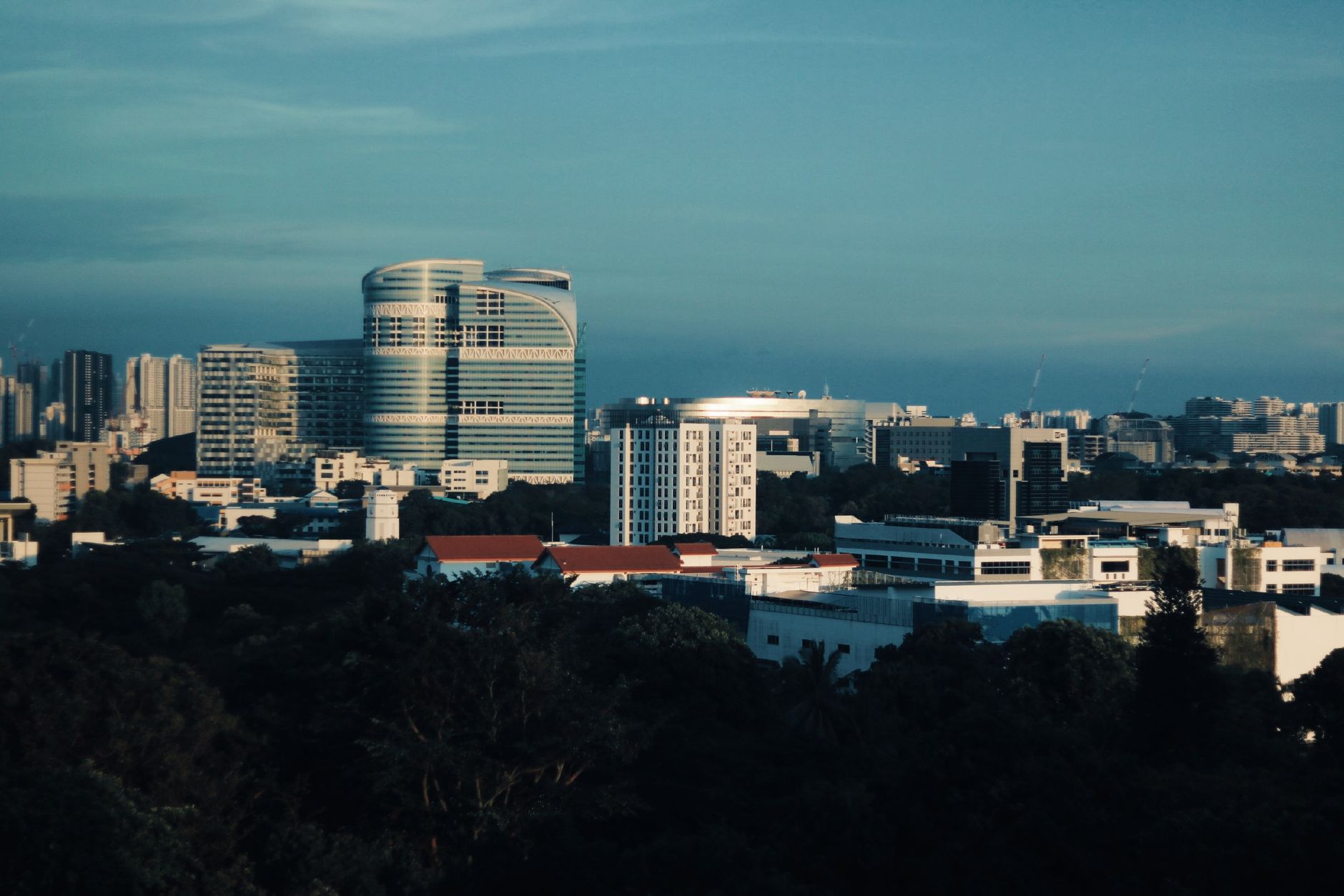
Walk through Tanjong Pagar's cluster of heritage shophouses, now dotted with artisanal cafes and tech startups, and you'll find business owners wrestling with the same question: what do rising interest rates and slowing regional growth mean for their bottom line?
Singapore's small and medium enterprises are navigating a complex economic landscape. The Monetary Authority of Singapore's latest data shows the domestic economy grew 2.1 per cent year-on-year in the first quarter of 2026, a slowdown from the previous year's 3.5 per cent. For entrepreneurs, this translates directly into tighter lending conditions and higher costs of capital.
"The banks are being more selective," explains the consensus among business owners at venues like the Singapore Chinese Chamber of Commerce. SMEs seeking loans now face stricter collateral requirements and slightly elevated interest rates hovering around 4.5 to 5.5 per cent, compared to the 3.8 per cent seen two years prior.
Yet investment flows tell a more nuanced story. The Economic Development Board reported that foreign direct investment into Singapore's tech and fintech sectors remained robust, with over US$2.8 billion committed in the first half of 2026. This creates a bifurcated market: while traditional retail and F&B operators in areas like Clementi and Bukit Timah face headwinds, digital-native businesses are attracting increasing venture capital attention.
Property costs remain formidable. Commercial rents in prime locations such as Raffles Place and Marina Bay have stabilised around SGD 8 to 12 per square foot monthly, while secondary areas like Outram Park command SGD 4 to 6. For entrepreneurs bootstrapping new ventures, this geography of opportunity matters enormously.
The Singapore Institute of Directors recently highlighted that business sentiment, measured through their quarterly index, slipped to 62 points in June 2026 from 67 points six months earlier. Yet this doesn't necessarily signal crisis—it reflects prudent caution among seasoned operators who understand that economic cycles require strategic positioning.
Smart entrepreneurs are decoding these signals by diversifying revenue streams and strengthening cash reserves. Rising unemployment figures in neighbouring markets, coupled with Singapore's relatively stable labour market at 1.8 per cent, also create opportunities for companies willing to invest in talent development and regional expansion.
The broader lesson: in mid-2026, understanding the relationship between credit availability, growth forecasts, and sectoral performance isn't merely academic. For Singapore's business community, it's the difference between thriving and merely surviving.
This article was compiled by AI from the sources linked above and screened before publishing. See our editorial standards.