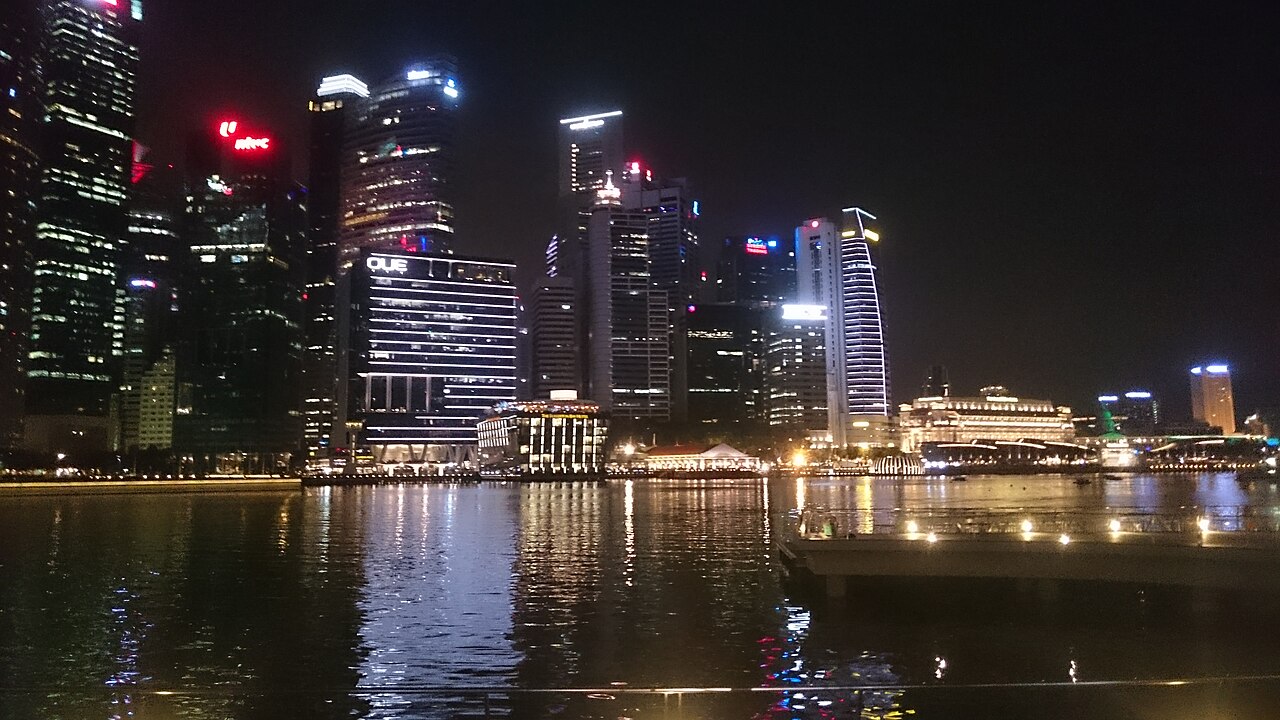
Singapore's tourism recovery is accelerating faster than forecasters anticipated, creating a lucrative window of opportunity for businesses positioned to capitalise on surging international arrivals. Visitor numbers have climbed steadily through the first half of 2026, with the Singapore Tourism Board projecting annual arrivals could exceed pre-pandemic peaks by year-end—a trajectory reshaping the economics of the city's hospitality sector.
The renaissance is most visible in established tourist corridors. Along Orchard Road, luxury retailers and experiential venues are reporting double-digit revenue growth as wealthy regional and international visitors resume shopping pilgrimages. Meanwhile, the Kampong Glam precinct has emerged as an unexpected beneficiary, with boutique hotels, heritage tour operators, and artisanal F&B establishments capitalising on growing appetite for authentic cultural experiences. The neighbourhood's combination of restored shophouses, independent galleries, and Malay heritage sites has proven especially magnetic for millennial and Gen-Z travellers seeking Instagram-worthy authenticity beyond Marina Bay's corporate sheen.
The Heritage and Culture Trust reported that guided tours through the Peranakan Museum and Arab Street increased 45 per cent year-on-year through the first quarter. Small operators—tour guides, homestay owners, niche dining establishments—are the primary beneficiaries, though this has already triggered early gentrification signals in the form of rising commercial rents across Bugis and neighbouring districts.
Changi Airport has processed record passenger volumes, with June figures suggesting monthly throughput approaching 3.8 million travellers. This demand has rippled through the transportation and logistics ecosystem. Ride-hailing services, airport shuttle operators, and taxi cooperatives report elevated utilisation rates and improved margins. For mid-tier hotel operators outside the Marina Bay core—establishments in Tiong Bahru, Joo Chiat, and along River Valley Road—the influx represents a rare moment to capture price-insensitive leisure travellers who previously gravitated toward luxury properties or budget chains.
Currency dynamics have further sweetened the opportunity. A softer regional environment relative to global peers has made Singapore comparatively attractive for dollar-denominated and euro-denominated visitors, particularly from North America and northern Europe. Hospitality wage pressures remain, but occupancy-driven revenue growth is offsetting labour cost inflation for well-managed properties.
The window may narrow. Industry analysts note that without strategic reinvestment in unique experiences and infrastructure—particularly beyond iconic zones—Singapore risks commoditising its offering. Operators currently extracting value through volume and pricing power will face headwinds once competitive capacity catches up. Those building loyalty, differentiation, and experiential depth are positioned more durably.
This article was compiled by AI from the sources linked above and screened before publishing. See our editorial standards.