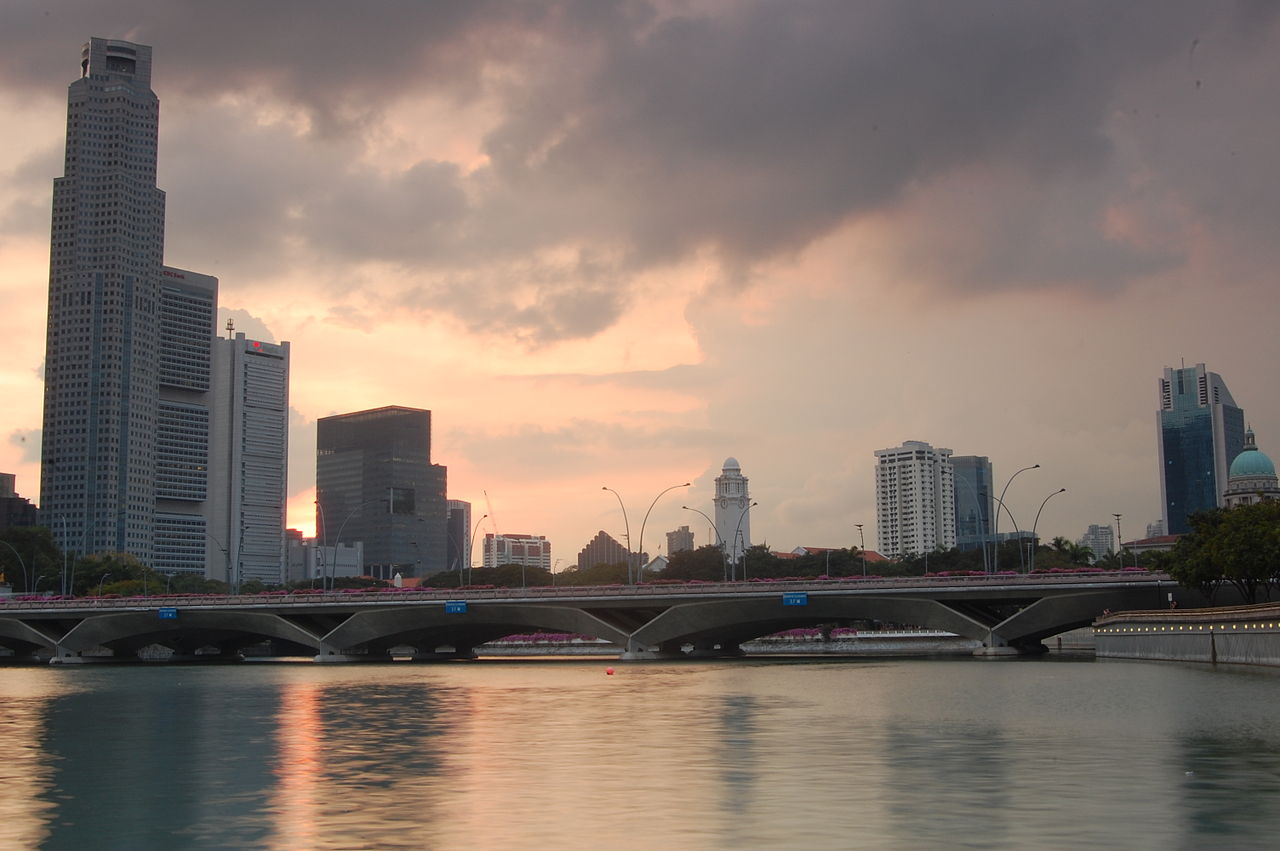
Singapore's commercial property market is experiencing a sharp inflection point. After three years of subdued demand and tenant flight, Grade-A office space in the central business district is staging a remarkable comeback—one that is already enriching a select group of landlords and early-movers who bet on the sector's recovery.
Prime addresses along Raffles Place and Shenton Way are seeing vacancy rates tighten to levels not witnessed since 2019. Asking rents for premium office space have climbed to SGD 14 to SGD 16 per square foot per month, a 20 per cent jump from lows recorded in 2023. Market watchers attribute the shift to a confluence of factors: multinational corporations consolidating their regional headquarters in Singapore, technology firms requiring collaborative workspace, and financial services firms unwilling to sacrifice CBD prestige.
The Pinnacle@Duxton complex and Marina Bay Financial Centre have emerged as particular winners, with occupancy rates pushing above 95 per cent. These trophy assets, held by major institutional landlords, are capturing top-tier tenants migrating from secondary locations in areas like one-north and Tampines.
But opportunity extends beyond established trophy addresses. Investors and developers with exposure to well-positioned mixed-use developments are reporting strong leasing momentum. The emerging trend favours buildings that blend traditional office with food and beverage, wellness facilities, and public spaces—a recognition that the modern tenant seeks more than a desk. Properties within the Boat Quay and Clarke Quay precincts, where cultural amenities amplify appeal, are attracting younger occupiers priced out of pure CBD towers.
Real estate investment trusts (REITs) with significant Singapore CBD exposure have delivered outsized returns to unitholders. Meanwhile, boutique property firms willing to undertake selective asset upgrades are repositioning older office blocks as attractive alternatives to mega-towers, capturing price-sensitive mid-market tenants.
The opportunity is not uniformly distributed. Properties in fringe areas—those on the wrong side of Outram or lacking easy transport links—remain under pressure. Older buildings requiring substantial capex investment to meet modern sustainability and technology standards face headwinds.
For property owners and investors already positioned in the right locations, the arithmetic is compelling. For those holding less desirable stock, the window to act may be narrowing as landlords with premium portfolios scoop up market share and set the tone for pricing expectations across the sector.
This article was compiled by AI from the sources linked above and screened before publishing. See our editorial standards.