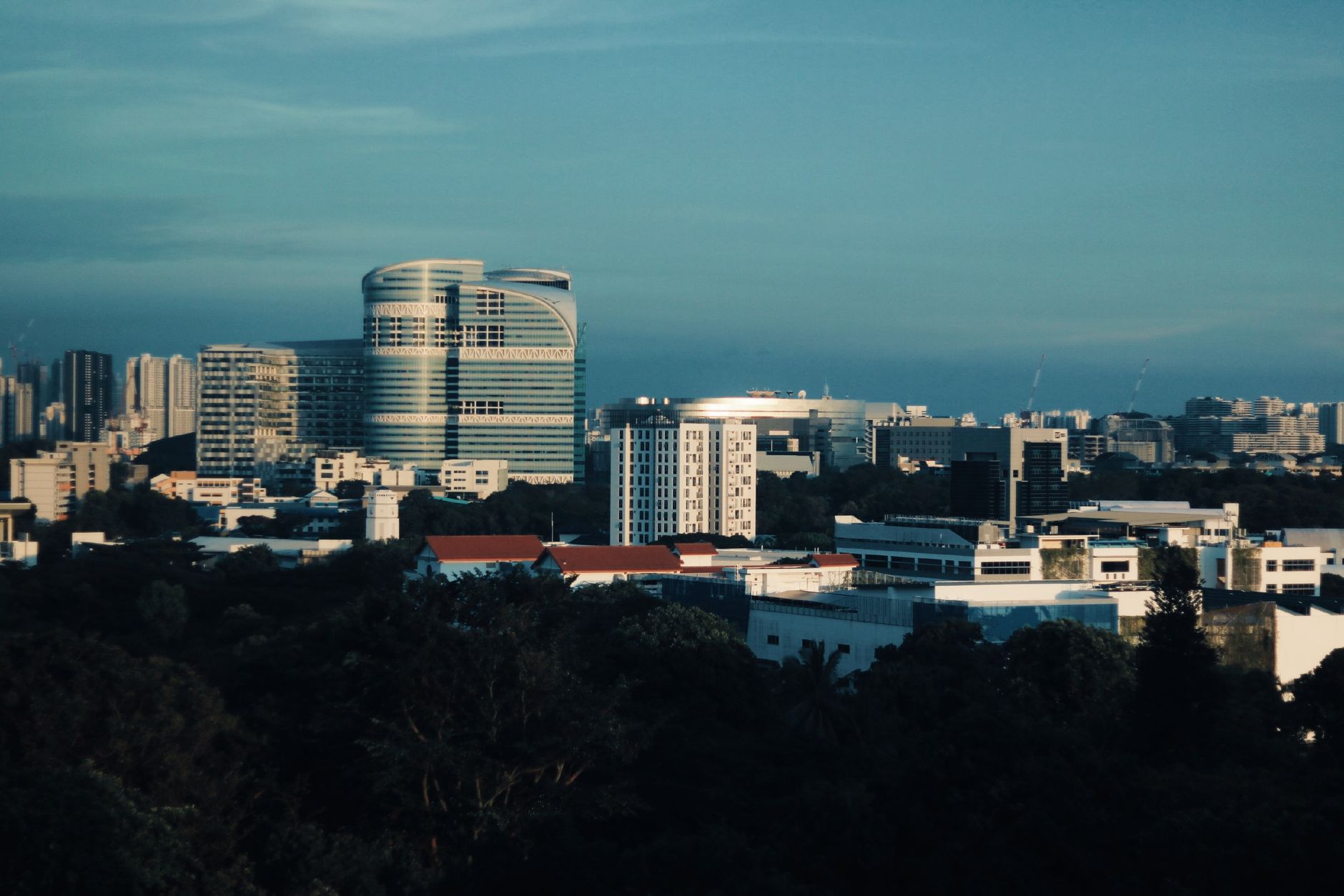
The gleaming towers of the financial district along Shenton Way tell only half the story of Singapore's evolving job market. Behind the familiar banking and trading roles lies a more fractured reality—one where international trade fragmentation is creating demand for highly specialised talent while simultaneously squeezing opportunities for conventional career paths.
Over the past eighteen months, recruitment firms across the island have reported a sharp shift in hiring patterns. Companies navigating trade tensions between major powers are seeking specialists in supply chain resilience, geopolitical risk analysis, and alternative sourcing strategies. A recent survey by the Singapore National Employers Federation found that 67 per cent of multinational firms based here have adjusted their recruitment focus, moving away from broad operational roles towards niche expertise.
The ripple effects are visible across neighbourhoods from Raffles Place to the burgeoning tech hubs in Block 71 at Ayer Rajah. Premium salaries—often 20 to 30 per cent above historical averages—are now offered for compliance specialists, supply chain diversification strategists, and talent with deep knowledge of emerging markets. Meanwhile, positions requiring general business acumen have seen salary growth stagnate or decline in real terms.
"We're seeing candidates pivot their entire career trajectories," says a spokesperson for a major recruitment consultancy with offices in Marina Bay. "Someone with five years in standard procurement might struggle, but add expertise in African trade routes or nearshoring logistics, and they're in high demand."
The talent crunch extends to educational institutions. Since 2024, applications to specialised programmes at institutions like the Singapore Institute of Management and the National University of Singapore's business school have surged, particularly in courses covering trade policy, supply chain analytics, and emerging market economics. Entry-level graduates with these skills command signing bonuses previously reserved for investment bankers.
Not everyone benefits from this reshuffling. Mid-career professionals without specialist credentials report longer job hunts. Expatriate workers without specific technical expertise now face stiffer competition from regional talent pools, as companies explore hiring from Malaysia, Vietnam, and India for less specialised roles.
For Singapore's economy, the trend presents both opportunity and risk. The island's position as a global trade hub means demand for sophisticated expertise remains strong. Yet the narrowing of opportunities for generalists could hollow out the middle-income job market that has historically underpinned social mobility. As geopolitical volatility persists, those with the agility to develop specialised skills will thrive—but the broader workforce may find itself increasingly polarised.
This article was compiled by AI from the sources linked above and screened before publishing. See our editorial standards.