Singapore's evolving weekend rhythm: How this is defining the city's creative and cultural identity
From the quiet restoration of colonial-era warehouses to the hyper-modern galleries of the downtown core, Singapore’s Sunday programming reflects a deliberate pivot toward grassroots artistic engagement.
This article was generated by AI from the linked public sources. The Daily Singapore is independently owned and covers Singapore news free from advertiser or sponsor influence. It is provided for general information only and is not professional, legal, financial, or medical advice. Read our editorial standards →
Sunday in Singapore has long been defined by the morning rush to wet markets and the afternoon retreat into air-conditioned malls. However, as of July 2026, the city’s cultural calendar reveals a distinct shift toward community-led creative spaces that prioritize local history and interactive design. The transformation of industrial corridors into art hubs is no longer a peripheral trend but a central pillar of the city’s urban strategy, fundamentally altering how residents engage with the public sphere.
The rise of adaptive reuse in the arts
The Creative District near the Singapore River remains the focal point of this shift. Venues such as the National Gallery Singapore and the various independent galleries lining the heritage shophouses of Tanjong Pagar have moved beyond traditional exhibition models. These spaces now function as collaborative workshops, hosting rotating residencies that emphasize Singaporean identity through textiles, digital media, and architectural preservation. The focus has migrated from high-volume tourism displays toward long-term, research-based artistic development.
This cultural evolution is also evident in the programming at the Esplanade, Theatres on the Bay, which has increasingly integrated outdoor, free-access performances into its weekly rotation. By decoupling high-level arts from prohibitive entry costs, the institution is shifting the city's creative identity toward one of accessibility. This change mirrors the broader strategy outlined in the National Arts Council’s 'Our SG Arts Plan (2023-2027)', which aims to increase the frequency of community-led arts initiatives across all neighborhoods, including suburban heartlands far removed from the central business district.
A data-driven shift in participation
Data provided by the Singapore Department of Statistics indicates that household expenditure on cultural and recreational services has sustained a steady upward trajectory since the post-pandemic recovery, reflecting a higher valuation of experiential activities. Specifically, participation rates in government-subsidized arts workshops have reached record highs as of the most recent quarterly reporting period. These initiatives, often held at community centres or repurposed heritage sites, demonstrate that the city’s creative identity is being reshaped by resident participation rather than just top-down investment.
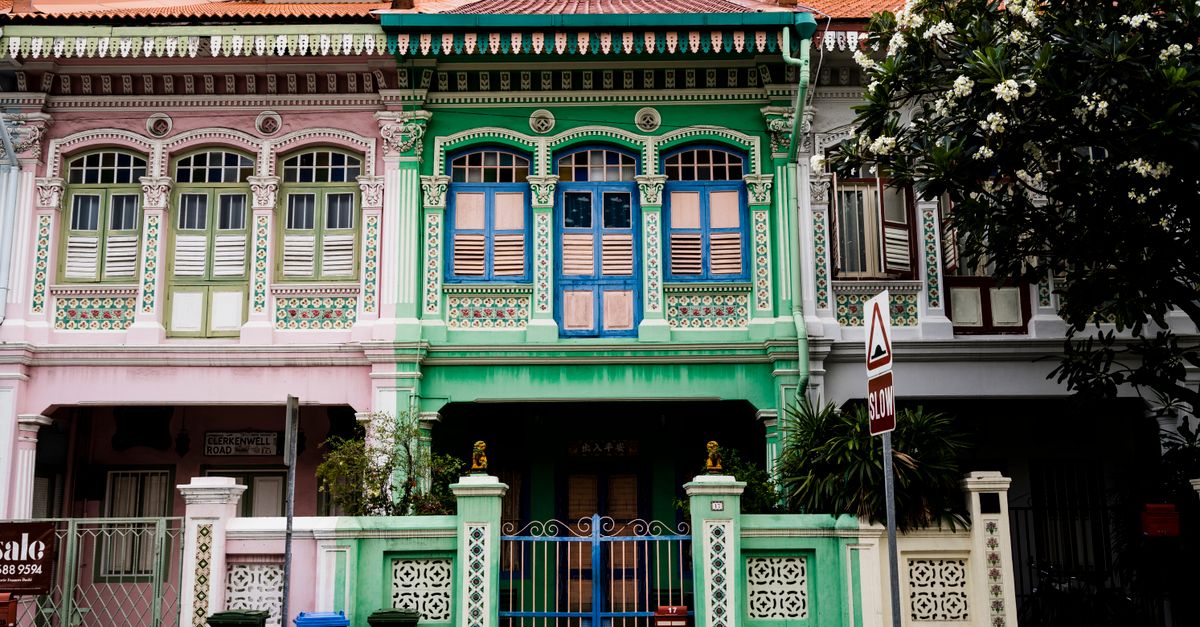
For those looking to engage with this shift today, the neighborhood of Tiong Bahru offers a microcosm of the current trend. A walk through the area reveals a density of independent bookshops, small-scale print studios, and mural-led initiatives that occupy the same footprint as the original 1930s housing estate architecture. Visitors are advised to check the latest schedules for the 'Singapore Art Week' satellite programs, which are increasingly held on Sundays to capitalize on the weekend crowds. The ongoing integration of public transport connectivity, particularly the expansion of the Thomson-East Coast Line, ensures that these creative hubs remain tethered to the broader city infrastructure, preventing them from becoming isolated enclaves.
Covering culture in Singapore. This article was generated by AI from the linked sources and was not reviewed by a human editor before publishing. See our editorial standards.