The death knell for Singapore's fine dining temple model didn't come suddenly. It arrived quietly over the past eighteen months, one reservation cancellation at a time.
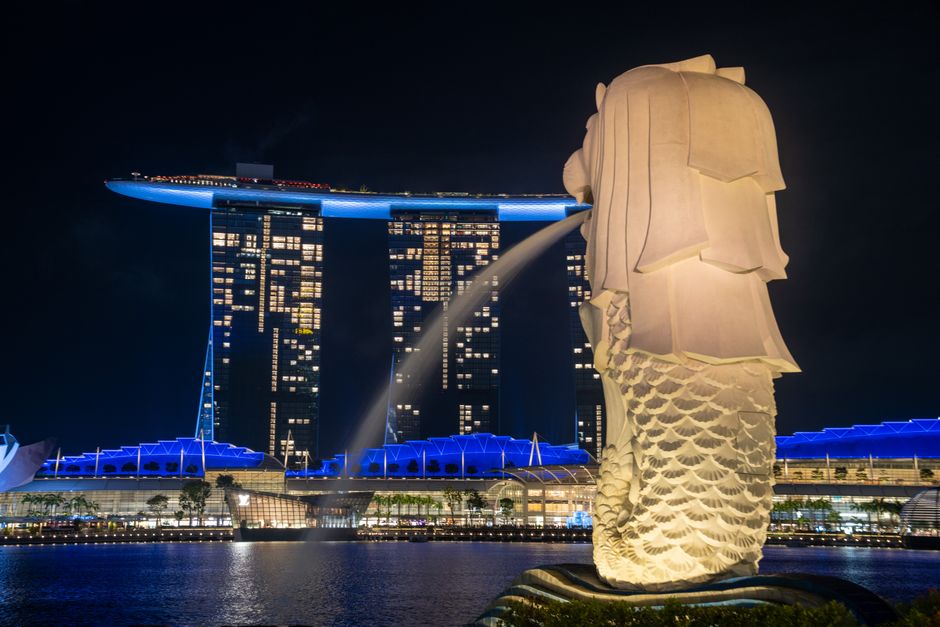
What once defined the island's restaurant landscape—high-priced establishments anchored in Marina Bay or Orchard Road, built on lengthy tasting menus and theatrical plating—is giving way to something fundamentally different. Chefs who spent years working inside ranked institutions are opening intimate seven-seat counters in Kampong Glam and Tiong Bahru. Diners who once booked tables months ahead are now chasing neighbourhood spots where a meal costs a tenth of what they used to spend, yet feels more interesting.
The Old Guard Takes Stock
Three years ago, scoring a reservation at one of Singapore's top-ranked restaurants meant navigating a byzantine booking system, paying deposits, and showing up for a three-hour meal that could cost 400 Singapore dollars or more. The model worked. The island's diners were wealthy enough to support it. Tourists flew in specifically to tick boxes on dining lists.
That appetite dried up. Several high-profile closures in 2024 and 2025 signaled the shift: restaurants that had held their status for years simply couldn't fill seats consistently enough to justify their overhead. One Marina Bay establishment with a decade-long reputation shuttered in March after struggling to maintain booking rates through the Southeast Asian heat wave season.
The Singapore Tourism Board hasn't released formal 2026 figures yet, but industry operators report a 12 to 15 percent decline in fine dining reservations from international visitors compared to 2024. Local clientele has proven even more resistant—corporate expense accounts, once the lifeblood of tasting menu restaurants, have tightened considerably since mid-2025.
Where the Action Is Moving
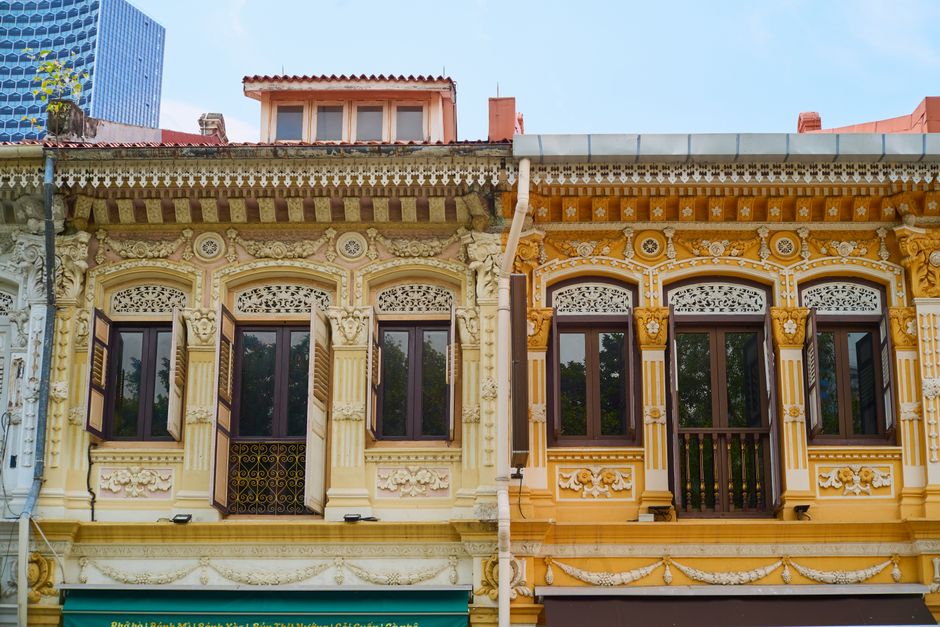
The real energy has migrated to pockets that felt too rough or too unglamorous for the fine dining set. Tiong Bahru, long known for wet markets and old shophouses, now hosts three new chef-led concepts that opened between January and May 2026. On Seng Poh Road, a former noodle shop became the home of a chef who spent eight years in Michelin kitchens and now serves twelve courses for 98 dollars. Across the neighbourhood, another space in a 1950s walk-up houses a French-trained cook experimenting with Peranakan ingredients.
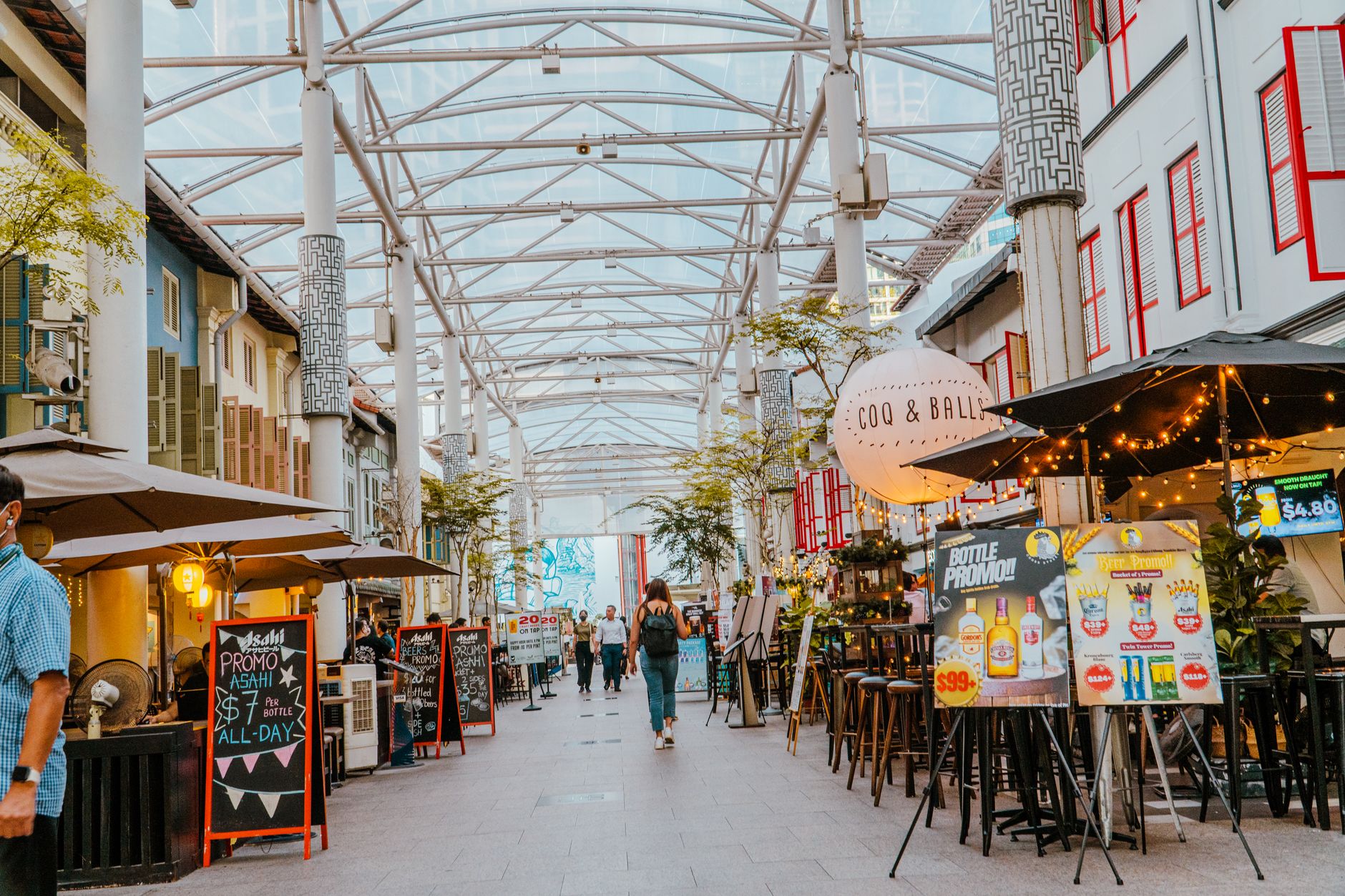
Kampong Glam has seen similar movement. The historic street, already hip with vintage shops and cafés, attracted two new omakase counters and a Japanese izakaya concept in the first half of this year alone. Diners speak of these venues the way they once described the big names: with genuine excitement, not just status-checking.
What makes these spaces work is radical simplicity. A counter fits twelve people. The chef cooks three seatings a week. A meal takes 90 minutes, not three hours. Prices anchor around 120 to 180 dollars per person, compared to 350 to 450 dollars at the establishments people are leaving.
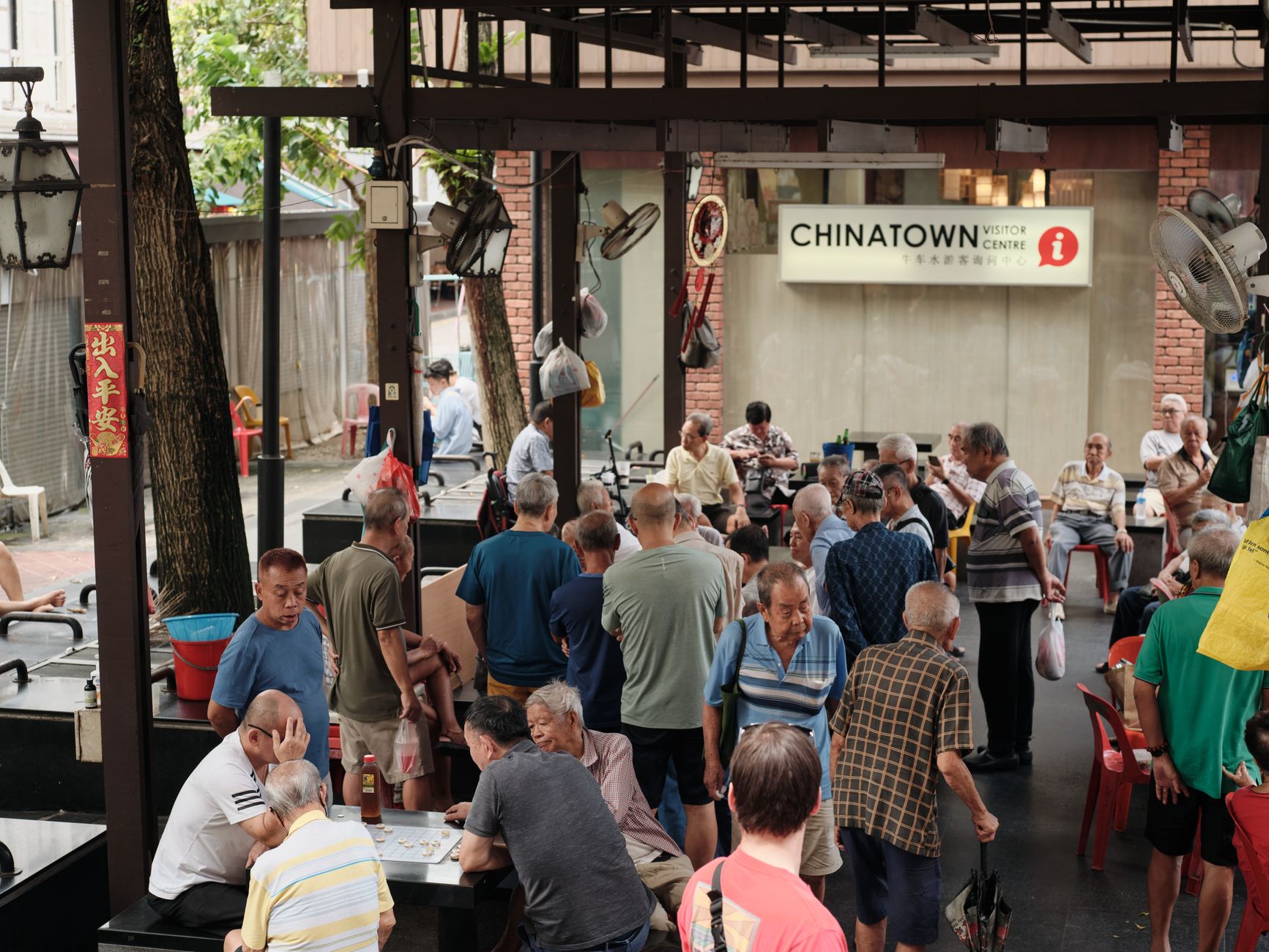
The change matters because it reveals something about the city itself. Singapore built its restaurant reputation on perfection and scale—the idea that more money meant better food. The new wave suggests the opposite: that constraint produces creativity, that neighbourhood beats prestige address, that diners want to eat with their local community, not perform status for strangers.
For anyone hunting these places, the game has inverted. The best meals in Singapore in 2026 aren't on glossy websites or booking platforms. They're hidden in old shophouses, accessible only through word-of-mouth or a determined Instagram search. The reservation you land today might be the last table available that month. That scarcity, finally, feels honest.