Why Singapore’s Cafe Culture Is the Envy of the Global Stage
While the rest of the world grapples with rising costs and fading third-wave ambition, Singapore’s hyper-localized coffee scene continues to redefine the craft.
3 min read
While the rest of the world grapples with rising costs and fading third-wave ambition, Singapore’s hyper-localized coffee scene continues to redefine the craft.
3 min read
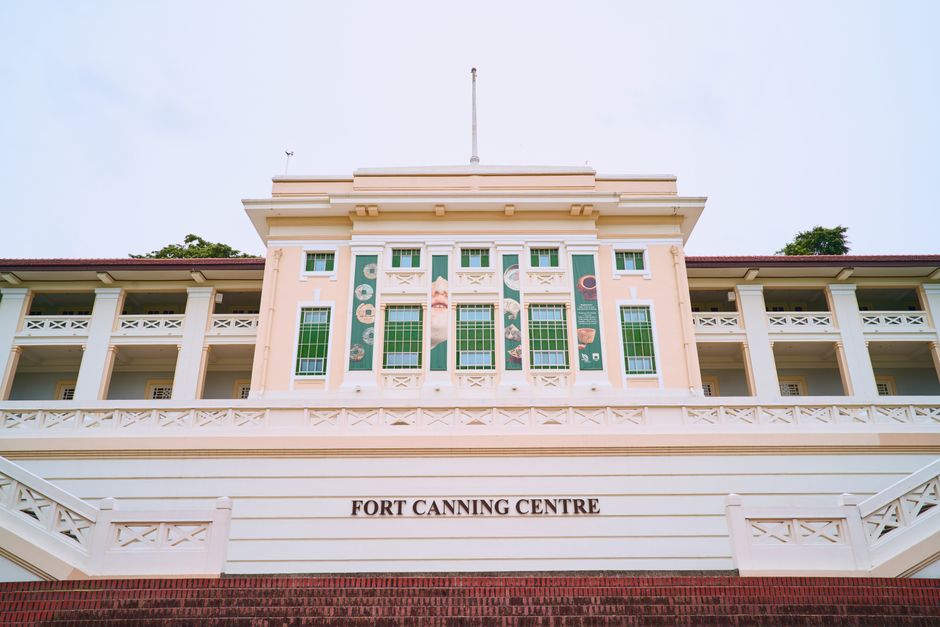
Singaporean coffee culture has outpaced the global standard by turning the humble neighbourhood shophouse into a laboratory for sensory innovation. Across the island, from the industrial corridors of Lavender to the quiet residential pockets of Joo Chiat, the city’s independent cafes are moving beyond standard lattes to experiment with durian-infused cold brews and locally sourced botanicals. This evolution highlights a unique resilience; while other major capitals see independent shops shuttered by corporate saturation, the local scene thrives on the city's obsession with quality and efficient retail integration.
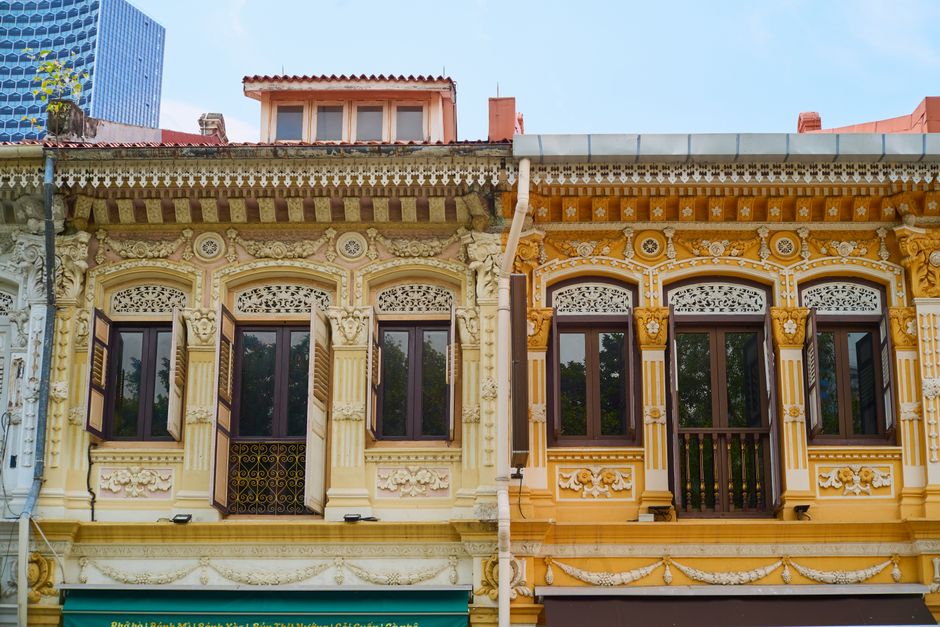
In most global cities, property taxes and overhead costs have forced independent roasters into peripheral, low-traffic zones. In Singapore, the adaptive reuse of heritage shophouses provides an architectural backdrop that no warehouse conversion in London or New York can replicate. Take Apartment Coffee on Lavender Street, where the minimalist aesthetic is physically framed by 1930s-era masonry, or Common Man Coffee Roasters on Martin Road, which anchors its identity in the historical texture of the Singapore River precinct. These venues do not just serve beverages; they curate a high-density, high-quality experience that mirrors the city’s broader commitment to urban efficiency and aesthetics.
This shift matters because the cafe has replaced the community center as the city’s primary social hub. The Singapore Coffee Association reports that domestic consumption has risen by 12% annually since 2024, driven by a younger generation of drinkers who prioritize traceability and roasting profiles over the mass-market convenience of multinational chains. Unlike the fragmented scenes in Paris or Tokyo, Singapore’s scene remains highly interconnected, with roasters often collaborating on limited-edition beans that reflect the city's position as a gateway between Southeast Asian coffee origins and global market trends.
Data from the latest consumer index suggests that an average pour-over in a premium Tiong Bahru cafe now holds steady at between $8.50 and $11 SGD. Despite the premium price, foot traffic at shops like Forty Hands remains high, buoyed by the local appetite for craftsmanship. This price point is remarkably stable when compared to the volatility seen in markets like the United States, where inflationary pressures on imported beans have hit small businesses hard this summer. The local supply chain remains robust due to Singapore’s status as a logistics hub, ensuring that rare harvests from Sumatra and Vietnam reach local grinders within weeks of arrival.
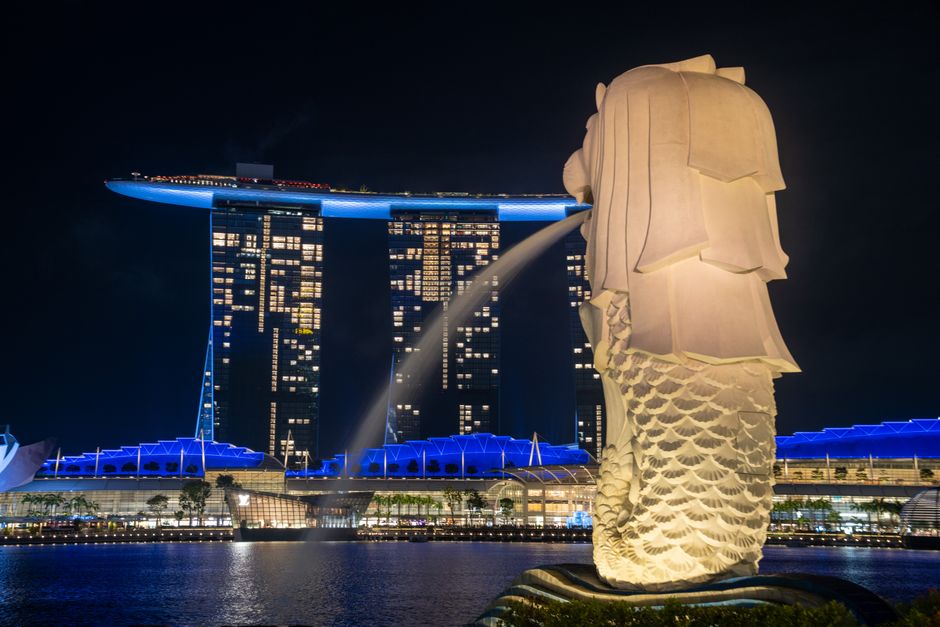
For those looking to map the city’s current trajectory, look toward the upcoming Singapore Coffee Week scheduled for September 2026 at the Marina Bay Sands Convention Centre. The event is expected to feature over 60 local vendors showcasing a pivot toward high-altitude, low-acidity varieties. If you are planning a weekend route, start your morning at the quiet cafes along Everton Park before the afternoon heat spikes, and keep an eye on the smaller 'micro-roasters' operating out of HDB void deck spaces. They represent the next wave of the city's coffee identity: accessible, experimental, and uniquely Singaporean.
About this article
Published by The Daily Singapore
Spread the word
Daily brief
Free, in your inbox before 7am. Weekdays.
Before you go
The day's Singapore news in a 2-minute read. Free, weekday mornings.