Why Singapore’s Rooftop Bars Define a Vertical City Like No Other
While the rest of the world grapples with heatwaves and policy shifts, Singapore’s skyline remains the gold standard for high-altitude leisure.
3 min read
Updated 46 min ago
While the rest of the world grapples with heatwaves and policy shifts, Singapore’s skyline remains the gold standard for high-altitude leisure.
3 min read
Updated 46 min ago
Singapore’s reputation as a vertical garden city has reached its zenith this July, with rooftop bar attendance hitting record highs as the URA’s Master Plan 2025 continues to incentivize green-integrated commercial architecture. Unlike the sprawling urban sprawl of Los Angeles or the historic stone facades of London, the city-state has perfected the art of the multi-level aerie, where public-private partnerships dictate that high-rise developments must provide lush, elevated common spaces for the public.
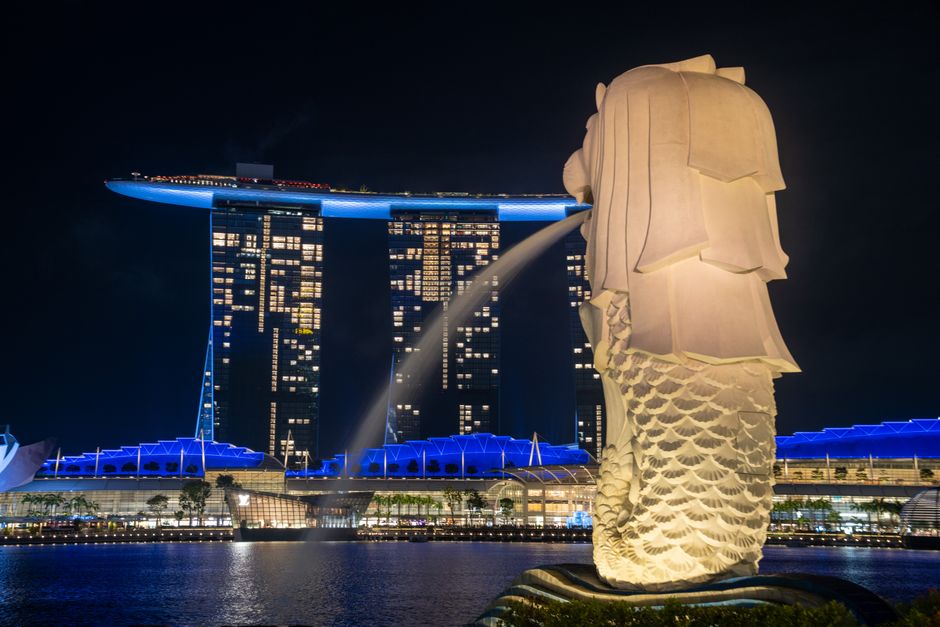
Stepping off the elevator at the 57th floor of Marina Bay Sands, the contrast is stark. While cities like New York struggle with aging infrastructure and restrictive zoning, the view from CÉ LA VI offers a vantage point over the Singapore Strait that is uniquely manicured. Here, the sheer density of the CBD is softened by thousands of native shrubs and hanging vines, a requirement under the Building and Construction Authority’s Green Mark scheme. A few kilometers away, the recently revamped rooftop at Level33 on Marina Boulevard treats guests to a view of the financial district that feels more like a curated terrarium than a concrete jungle.
These venues represent a massive investment in lifestyle real estate. Data from the Singapore Tourism Board indicates that spending on high-end nightlife experiences rose by 14.2 percent in the first half of 2026. At a typical venue like Artemis Grill, situated atop CapitaGreen on Cecil Street, patrons are currently paying upwards of $32 for a specialty cocktail, a price point driven by both high land premiums and the logistics of maintaining a micro-climate in a tropical environment.
International cities are currently witnessing a shift in how public spaces are utilized, with many municipal authorities in the U.S. and Europe closing outdoor venues due to extreme weather warnings. Conversely, Singapore’s infrastructure, specifically the integrated climate-control technology found in luxury developments like Raffles Place’s taller towers, allows the city to operate at peak capacity regardless of the thermometer. The seamless integration of misting systems and architectural shade structures keeps the humidity from stalling the evening trade.
The competitive advantage of the local scene lies in the sheer lack of space at ground level. Developers are forced to go up, and the government’s push for sky-terraces under the LUSH (Landscaping for Urban Spaces and High-Rises) program ensures that these rooftops are not merely concrete slabs, but functional, living extensions of the city. If you are planning to visit this weekend, expect significant queues at the lift lobbies along Robinson Road. For those looking to avoid the wait, it is advisable to book reservations at least 48 hours in advance through apps like Chope or TableCheck, as capacity limits are strictly enforced by the Singapore Civil Defence Force to ensure building safety compliance.
About this article
Published by The Daily Singapore
Spread the word
Daily brief
Free, in your inbox before 7am. Weekdays.
Before you go
The day's Singapore news in a 2-minute read. Free, weekday mornings.