Chinatown’s appeal has reached a fever pitch this July, with foot traffic at the Pagoda Street tourist information centre hitting record highs as the school holiday crowd descends on the heritage district. While out-of-town visitors queue for hours at Instagram-famous bakeries, residents living in the nearby HDB blocks of Kreta Ayer remain loyal to a quieter, faster-moving economy built on five-dollar bowls of noodles and unspoken local customs.
The shift in the area is unmistakable. As the Singapore Tourism Board continues to push its 'Rediscover Chinatown' campaign, the juxtaposition between the polished facades of Club Street’s cocktail bars and the gritty, authentic stalls at the Maxwell Food Centre has never been sharper. For the locals, navigating the neighbourhood is about knowing exactly which uncle serves the best broth and which side streets to bypass when the bus tour groups block the sidewalks.
Where the residents actually eat
Skip the restaurants with laminated English menus if you want to eat like a true Chinatown regular. The real prize is the basement of the Chinatown Complex on Smith Street, home to the largest hawker centre in the country. Forget the Michelin-star hype for a moment and head straight to the stalls that don’t have queues wrapped around the pillars. A plate of chee cheong fun or a bowl of traditional fishball noodles here rarely exceeds $4.50, a price point that has stayed stubbornly low despite inflation elsewhere in the Central Business District.
For those who prefer a side of history with their caffeine, the old-school coffee shops, or kopi tiams, lining Sago Street still serve the best charcoal-toasted kaya toast in the city. Unlike the franchised chains in the nearby malls, these spots operate on a 'chope' culture that demands you leave a packet of tissues on your table to reserve your seat before you even approach the drink stall. It is a minor social contract that keeps the morning rush moving with clockwork efficiency.
Navigating the evening rush
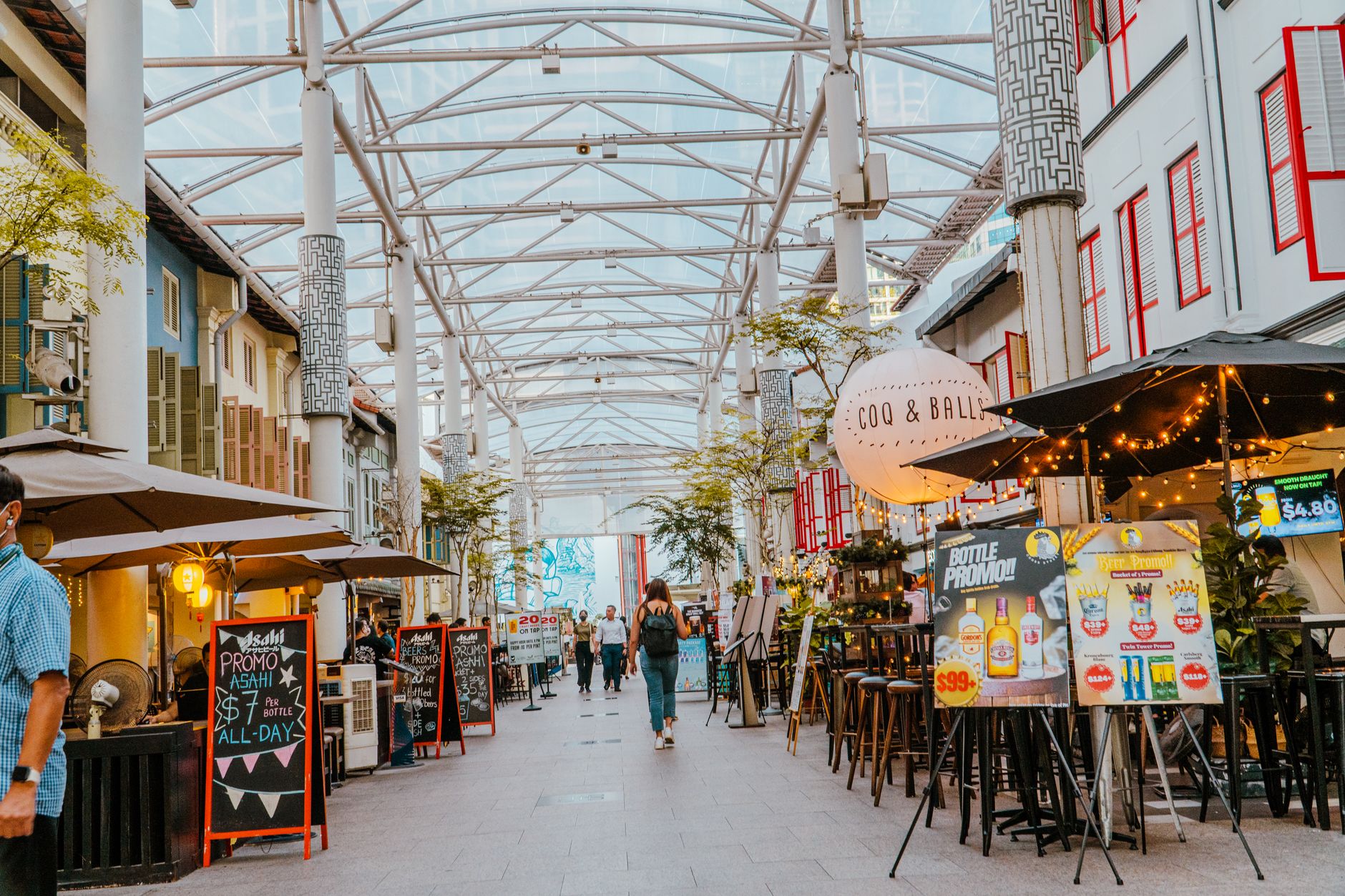
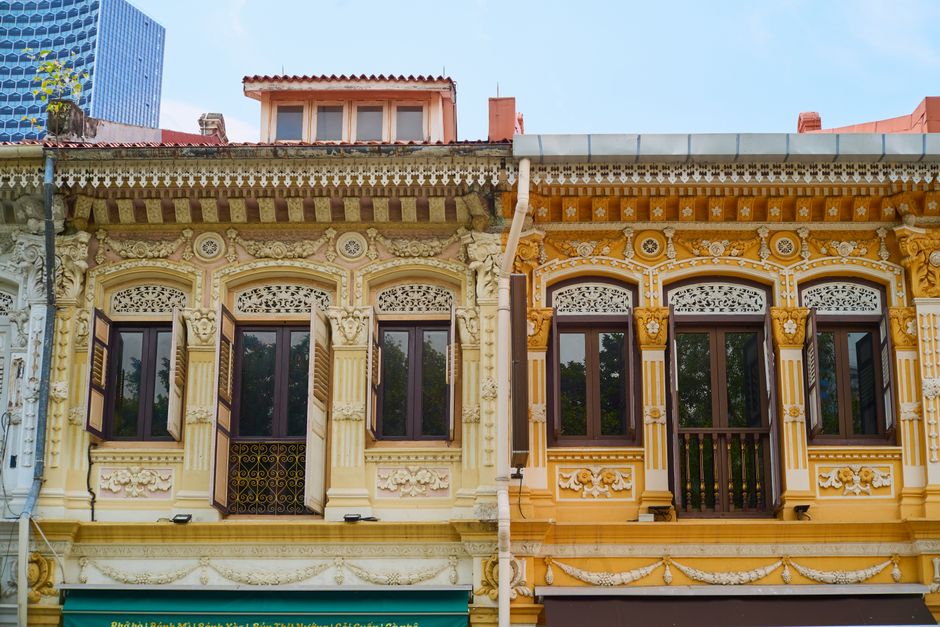
By 7:00 PM, the atmosphere shifts as the sun sets over the Buddha Tooth Relic Temple. Avoid the main drag of Temple Street if you are looking for a drink; instead, duck into the shophouses on Keong Saik Road. While the area has gentrified, pockets of the old neighbourhood endure. The bars here charge a premium-often north of $22 for a cocktail-but the architecture remains some of the best-preserved colonial-era housing in the city. If your budget is tighter, head to the Ann Siang Hill area, but be prepared for the Thursday night crowds that spill out into the pedestrian-only zones.
Before you head out, download the 'MyTransport.SG' app to check for any road closures related to the ongoing pedestrianisation trials in the district. Plan to arrive before 6:30 PM if you want to avoid the worst of the human traffic bottleneck near the Chinatown MRT station, which remains one of the busiest transit interchanges on the North-East Line. Stick to the side alleys behind Mosque Street for a glimpse of the original shophouse architecture, but keep your voice down-the upper floors of these buildings are still very much active residential homes for the elderly population who have anchored this district for decades.