This article was generated by AI from the linked public sources. The Daily Singapore is independently owned and covers Singapore news free from advertiser or sponsor influence. It is provided for general information only and is not professional, legal, financial, or medical advice. Read our editorial standards →
Chinatown is undergoing a significant transformation as the traditional shophouse corridor pivots to balance long-standing heritage businesses with an influx of modern lifestyle concepts. While the area remains the heart of Singapore’s cultural history, recent shifts in land use and commercial strategy have brought a mix of contemporary art spaces and artisanal boutiques into the folds of Smith Street and Trengganu Street.
The Intersection of Legacy and Modernity
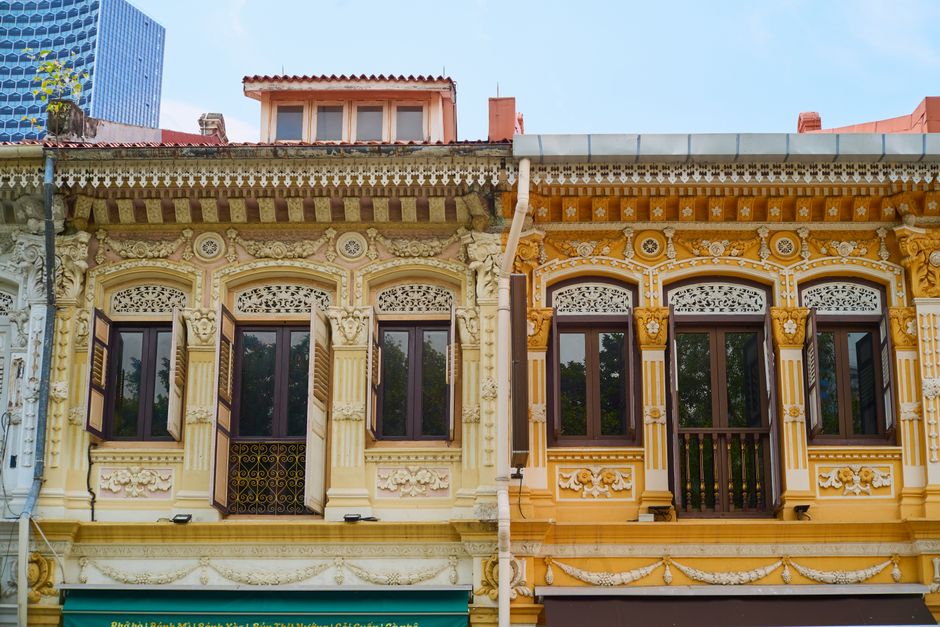
The evolution of the district is most visible in the repurposing of conserved shophouses. Where once there were strictly traditional apothecaries, several units now house creative workshops and community-focused galleries. The Urban Redevelopment Authority (URA) continues to manage the gazetted conservation areas, ensuring that the architectural integrity of the precinct is maintained even as the internal tenancies shift toward high-concept hospitality and lifestyle retail.
Local landmarks like the Buddha Tooth Relic Temple and Museum remain central to the area's identity, providing a consistent draw for visitors. However, the surrounding streets are seeing increased activity from younger entrepreneurs. Establishments along Keong Saik Road and Duxton Hill have already set the template for this transition, and the momentum is now moving deeper into the traditional core of the neighbourhood.
A Changing Economic Landscape
The shift is further supported by evolving consumer demand within the district. According to data from the Singapore Department of Statistics regarding the accommodation and food services sector, the local industry has seen sustained growth, reflecting a broader interest in heritage-based experiences that blend history with modern service standards. Commercial leases for conserved properties in the Central Area have seen steady interest, with business owners increasingly seeking the unique aesthetic that only Chinatown’s streetscape provides.
This evolution also presents a logistical challenge. Maintaining the character of the wet markets while integrating modern consumer expectations requires careful coordination between the National Environment Agency and private stakeholders. As the neighbourhood moves into the second half of 2026, visitors can expect to see more pop-up cultural exhibitions and collaborative retail spaces operating alongside the legacy vendors. For those planning a visit, checking the latest listings on the official Singapore Tourism Board portal is recommended to navigate the updated operating hours of newer boutique arrivals.
Covering lifestyle in Singapore. This article was generated by AI from the linked sources and was not reviewed by a human editor before publishing. See our editorial standards.