News
Singapore HDB Housing Prices 2026: Crisis Explained
HDB resale prices exceed S$600k in Singapore estates. Explore why affordable housing demand outpaces supply and what younger Singaporeans face in 2026.
3 min read
News
HDB resale prices exceed S$600k in Singapore estates. Explore why affordable housing demand outpaces supply and what younger Singaporeans face in 2026.
3 min read
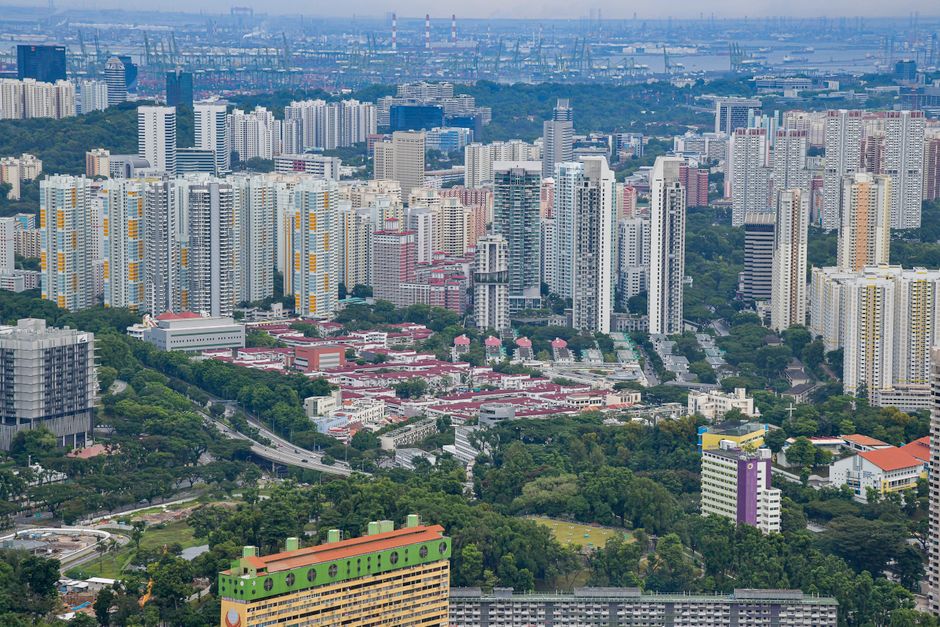
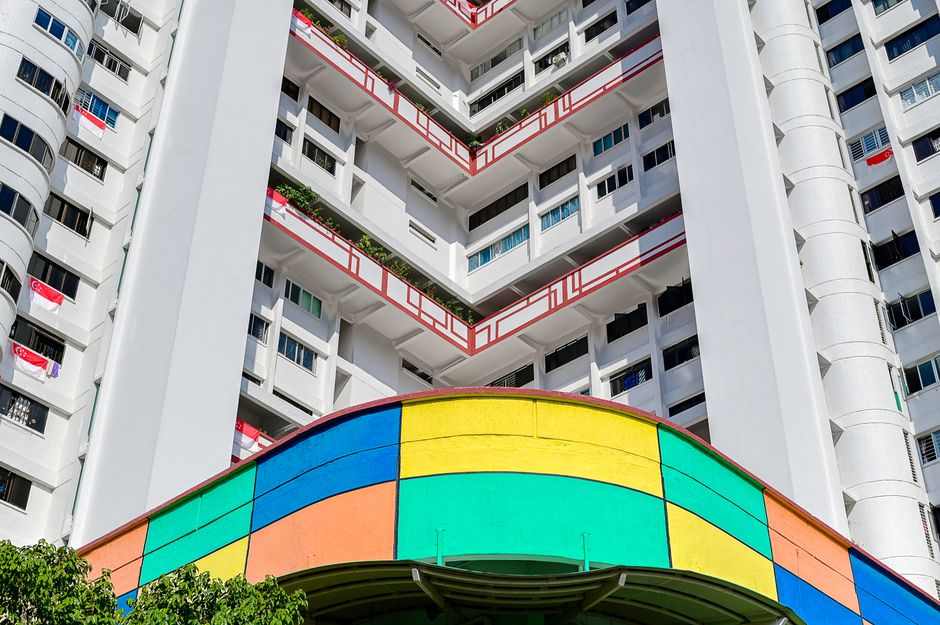
Singapore's Housing and Development Board (HDB) has long been the envy of urban planners worldwide. With over 80 per cent of the population living in HDB flats—a figure unmatched by most developed cities—the model has delivered affordable homeownership at scale. Yet as we enter the second half of 2026, that reputation faces its sternest challenge in decades.
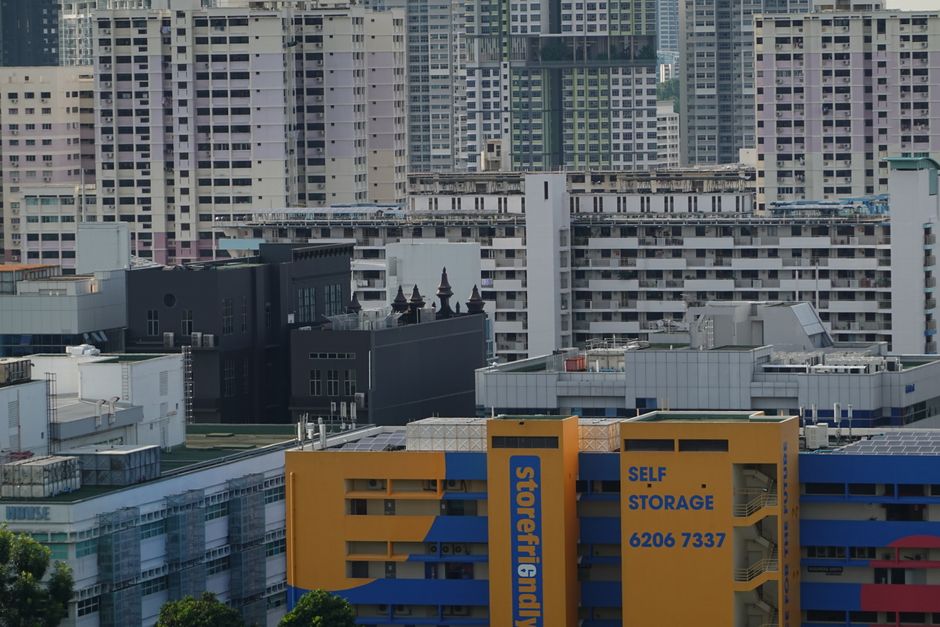
The numbers tell a sobering story. Average HDB resale prices in mature estates like Toa Payoh and Ang Mo Kio have climbed past S$600,000, pricing out younger Singaporeans despite the board's repeated Build-to-Order launches. Private property prices in central locations like the Tanglin area and near Orchard Road remain stratospheric, accessible only to the ultra-wealthy. Meanwhile, the waiting list for new HDB flats stretches beyond four years for families seeking homes in fringe areas like Tengah and Punggol.
How does Singapore compare? Vancouver, long touted as a model for mixed-income housing, has watched median home prices soar to CAD$1.1 million, forcing the city to rethink its entire zoning framework. Hong Kong, facing even starker constraints, has seen public housing waiting lists balloon to over 130,000 households. Tokyo, by contrast, has maintained relative affordability through aggressive densification and a decentralised employment model that reduces pressure on central districts.
Singapore's advantage remains its proactive approach. The Urban Redevelopment Authority's master planning for new growth areas, combined with HDB's construction pipeline, keeps supply relatively responsive. The recent decision to extend mixed-income neighbourhoods across Bukit Batok and Jurong West reflects lessons learned from segregated housing markets elsewhere.
Yet vulnerabilities persist. The city's land constraints—often cited as an advantage forcing efficiency—are becoming a liability as climate adaptation, green space, and infrastructure demands compete for finite space. Unlike cities with sprawling hinterlands, Singapore cannot easily absorb population growth through suburban expansion.
Experts point to two paths forward. First, accelerating the shift to flexible, modular housing typologies that could unlock underutilised land parcels across the central business district and near MRT corridors. Second, decoupling employment from Marina Bay and Raffles Place, reducing housing pressure in prime zones.
The true test lies ahead. Singapore's housing model built post-independence assumed predictable growth and limited international competition. Today's city-state faces global migration pressures, generational wealth gaps, and a shrinking working-age population. The solutions that worked in the 1980s and 1990s may not suffice for 2030.
For now, Singapore still outperforms global peers in housing accessibility metrics. Whether it sustains that edge depends on decisions made in the next 24 months.
This article was compiled by AI and screened before publishing. See our editorial standards.
About this article
Published by The Daily Singapore
Spread the word
Daily brief
Free, in your inbox before 7am. Weekdays.
Before you go
The day's Singapore news in a 2-minute read. Free, weekday mornings.