News
Singapore Housing Density Plans 2026: What's Next
Singapore's mid-year planning cycle reveals critical decisions on Tampines and Pasir Ris housing density, rail network expansion, and green space preservation by September 2026.
3 min read
News
Singapore's mid-year planning cycle reveals critical decisions on Tampines and Pasir Ris housing density, rail network expansion, and green space preservation by September 2026.
3 min read
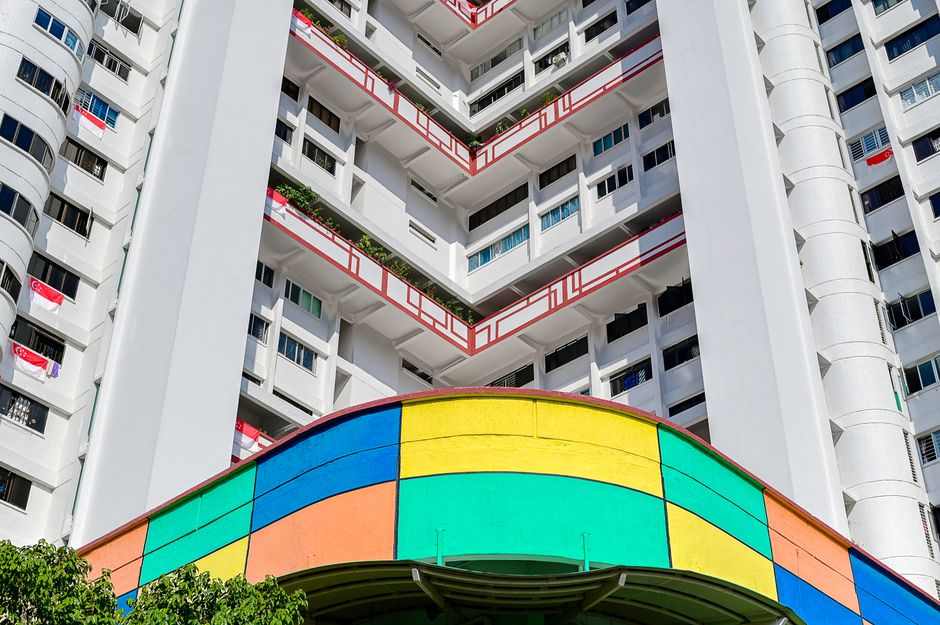
Singapore's municipal machinery is entering a decisive phase. With the second half of 2026 marking the window for final approvals on major infrastructure and housing projects, city leaders at the Urban Redevelopment Authority, Housing and Development Board, and transport authorities face mounting pressure to chart a clear path forward on three fronts that will reshape daily life across the island.
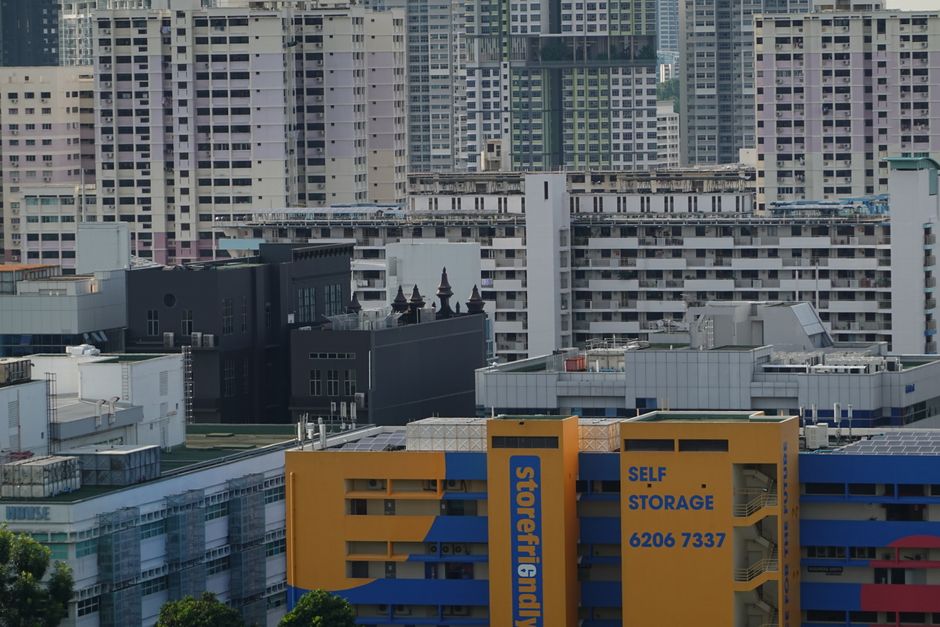
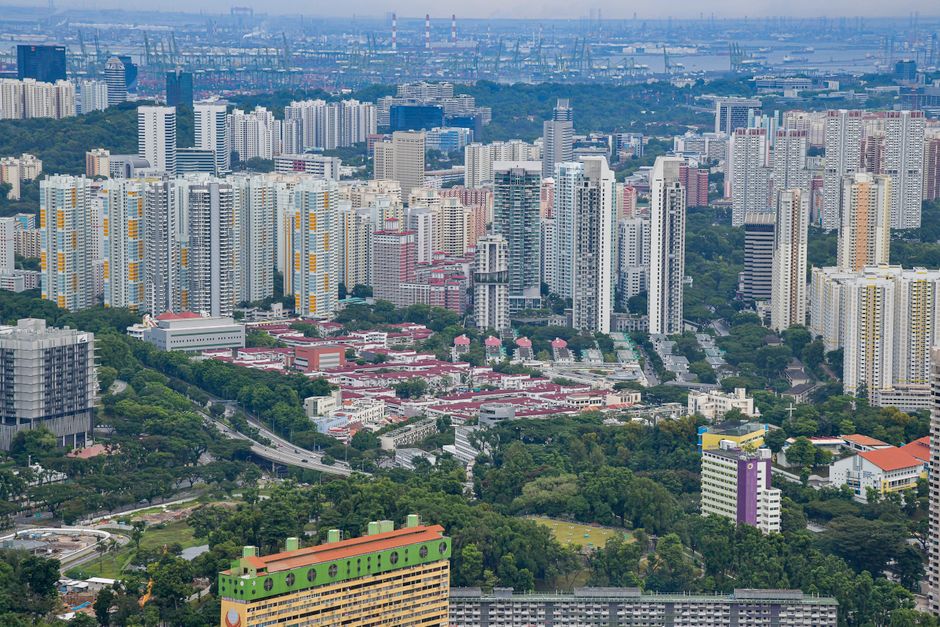
The first flashpoint centres on housing density in the eastern corridor. Planners are reviewing proposals to increase residential units in Tampines and Pasir Ris by up to 15 per cent through taller mixed-use towers, a move aimed at accommodating projected population growth without expanding into remaining green belts. The decision, expected by September, will test whether the government can sustain its growth targets while managing concerns from existing residents about congestion and infrastructure strain on roads already carrying over 900,000 vehicles daily.
Equally pressing is the future of the Cross Island Line. Originally slated for completion by 2030, transport planners must now decide whether to accelerate the western segments linking Changi to Tuas, or phase construction more gradually to manage $10 billion in budgeted costs. The choice carries immediate implications for property values across corridors like Bukit Batok and Jurong, where anticipation of faster connectivity has already driven prices up 8 per cent year-on-year.
Perhaps most contentious is the question of nature reserves. A forthcoming review of urban green space policy will determine whether Bukit Timah Nature Reserve and the Central Catchment Area remain strictly protected or face selective development for public facilities. Environmental groups and residents have mobilised on social media, while business interests argue that controlled access could generate revenue for conservation efforts—a debate reflecting tensions between Singapore's dual identity as developed city and nature guardian.
These decisions arrive amid fiscal pressures. The government's land sales revenue declined 12 per cent in the first half of 2026, constraining budgets for new infrastructure. Simultaneously, feedback from grassroots organisations across constituencies suggests rising frustration over delayed upgrading projects in older estates like Tanjong Pagar and Geylang.
The next 90 days will be critical. Town councils must consolidate resident feedback, while ministries coordinate policy positions. For Singapore's 5.9 million residents, the outcomes will shape not just where they live and how they move, but what version of the city they inherit. The decisions ahead will reveal whether planners remain committed to density and growth, or whether they'll recalibrate priorities around livability and environmental limits.
This article was compiled by AI and screened before publishing. See our editorial standards.
About this article
Published by The Daily Singapore
Spread the word
Daily brief
Free, in your inbox before 7am. Weekdays.
Before you go
The day's Singapore news in a 2-minute read. Free, weekday mornings.