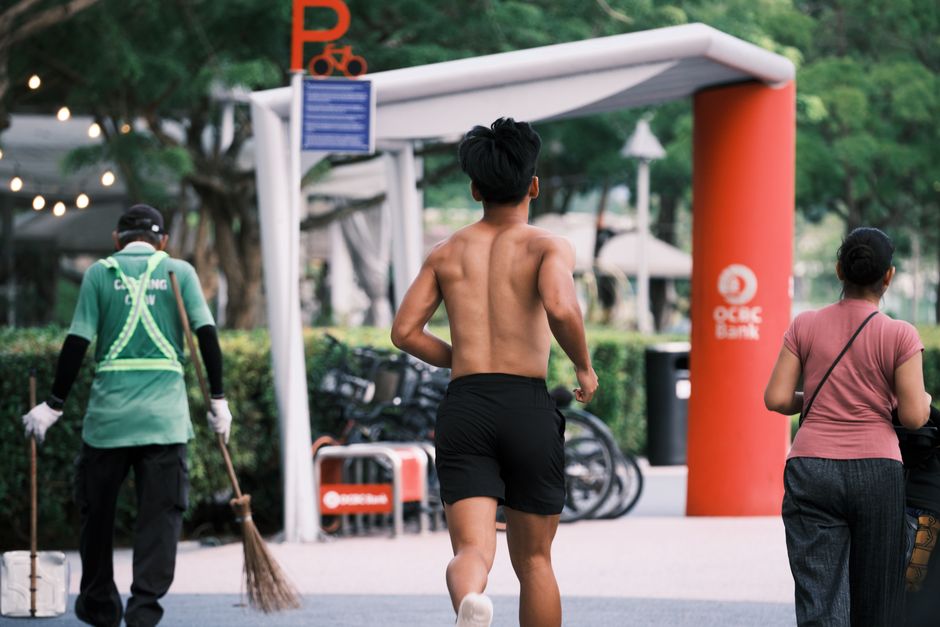
The second half of 2026 marks a critical juncture for Singapore's youth sport ecosystem, with dozens of grassroots clubs entering their finals season across football, netball, swimming and athletics. From the pitches of Clementi Sports Centre to the pools at Yishun Stadium, thousands of young athletes aged 8 to 18 are intensifying preparations for tournaments that will shape club rankings and individual trajectories through to year-end.
The National Schools Football League's Under-14 championship kicks off in July, drawing 47 teams from across the island. Neighbourhood clubs like Geylang East Youth Football Club and Bukit Merah District Sports Association have already begun twice-weekly training sessions, with participation fees holding steady at $280 per season—affordable enough to retain families from lower-income districts like Hougang and Jurong West, where grassroots sports remain a vital outlet for youth engagement.
Netball clubs are similarly in overdrive. The Singapore Netball Association's youth championship culminates in August, and centres in Bishan, Marine Parade and Tampines are running supplementary conditioning camps priced between $15 and $25 per session. Club administrators report steady enrolment despite economic pressures, suggesting sustained community commitment to youth development outside school systems.
Swimming presents perhaps the most data-driven picture. The ActiveSG youth swimming finals, held annually at Clementi Aquatic Centre and Bukit Gombak Swimming Complex, see approximately 2,400 competitors enter heats. Times have tightened noticeably: the 11-year-old 50-metre freestyle benchmark has dropped by 0.8 seconds over three years, indicating either improved coaching infrastructure or greater access to training programmes through public facility partnerships.
What distinguishes this year's finals season is the integration of digital tracking. Several major clubs now use performance analytics apps to monitor athlete progress between competitions, a shift driven partly by post-pandemic adaptation and partly by increasing parental demand for transparency in development pathways. Costs remain modest—typically embedded in club fees rather than separately charged.
Community club administrators acknowledge structural challenges: competition for facilities remains fierce, and volunteer coach burnout persists. Yet the numbers suggest resilience. The Singapore Sports Council's latest grassroots participation data shows youth club membership up 3.2 per cent year-on-year, bucking earlier predictions of decline.
As finals unfold across Singapore's sports complexes and neighbourhood centres through August, these competitions will do more than crown champions. They will offer young athletes the competitive moments that often determine whether they remain engaged with sport long-term—or step away entirely.
This article was compiled by AI and screened before publishing. See our editorial standards.