Cape Verde's improbable World Cup campaign has upended global sporting logistics in ways few predicted. The island nation, which qualified for only its second World Cup appearance, has advanced further than anyone anticipated—and now, venues across the world are scrambling to accommodate the mounting attention.
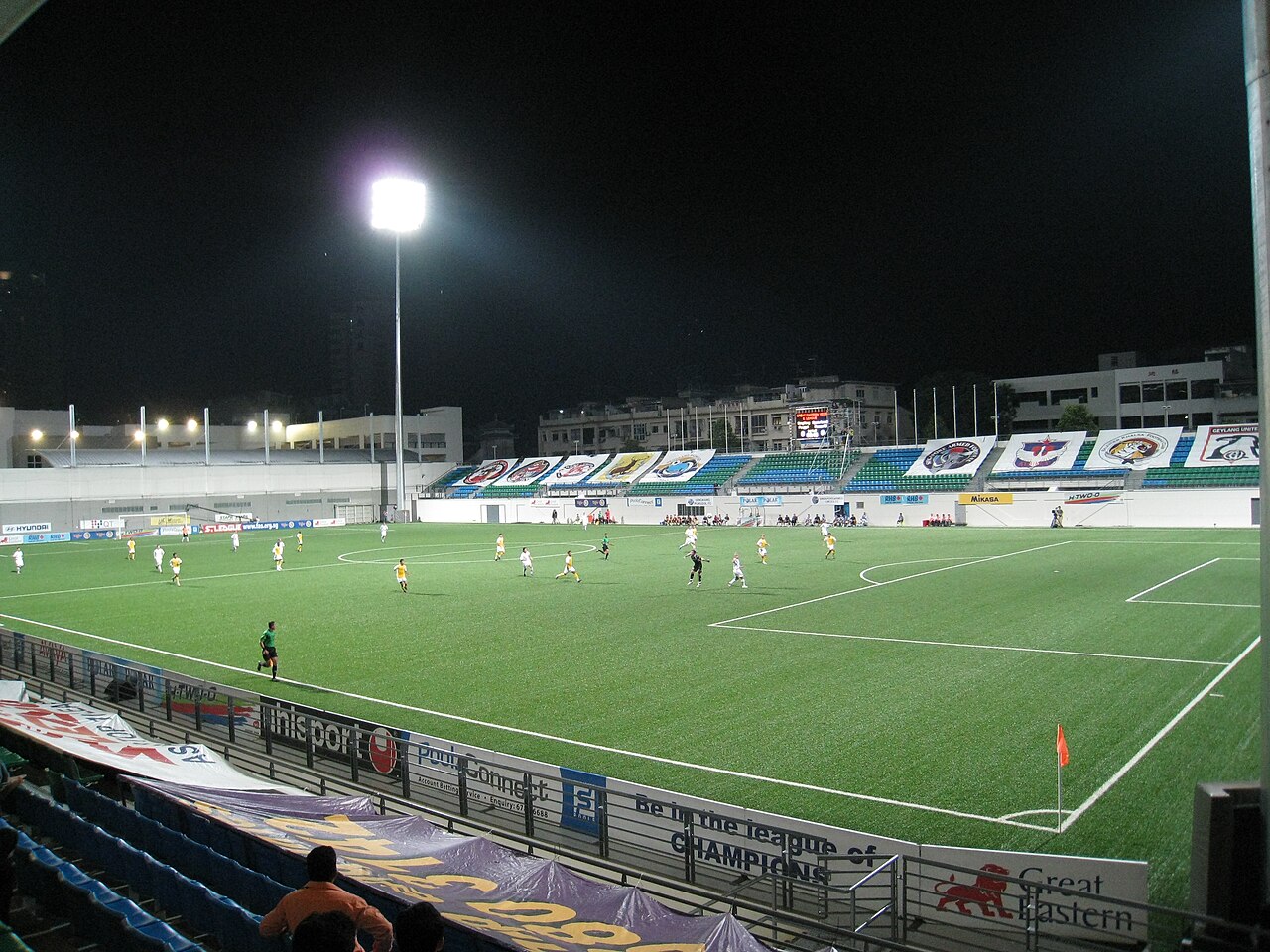
Singapore, with its reputation as a premium events destination, has found itself at the centre of this unexpected phenomenon. The National Stadium at Marina Bay, which typically hosts major football fixtures, has received multiple formal enquiries from international broadcasters and fan groups seeking space to host viewing events and media operations during Cape Verde's knockout matches.
"We've never seen demand like this," said one events coordinator at the Singapore Sports Hub, speaking on condition of anonymity. The sprawling 35-hectare complex on Kallang Road, home to the 55,000-capacity National Stadium alongside the OCBC Aquatic Centre and Singapore Indoor Stadium, has become a focal point for diaspora communities seeking to celebrate their heritage.
The Cape Verdean community in Singapore, estimated at around 2,000 residents, has surged in energy—mirroring scenes observed in the United Kingdom where nearly 300 Cape Verdeans reportedly gathered to watch their team's surprise Group Stage victory. The Kranji neighbourhood and areas around Geylang have seen spontaneous celebrations, with restaurants offering traditional cachupa and grogue.
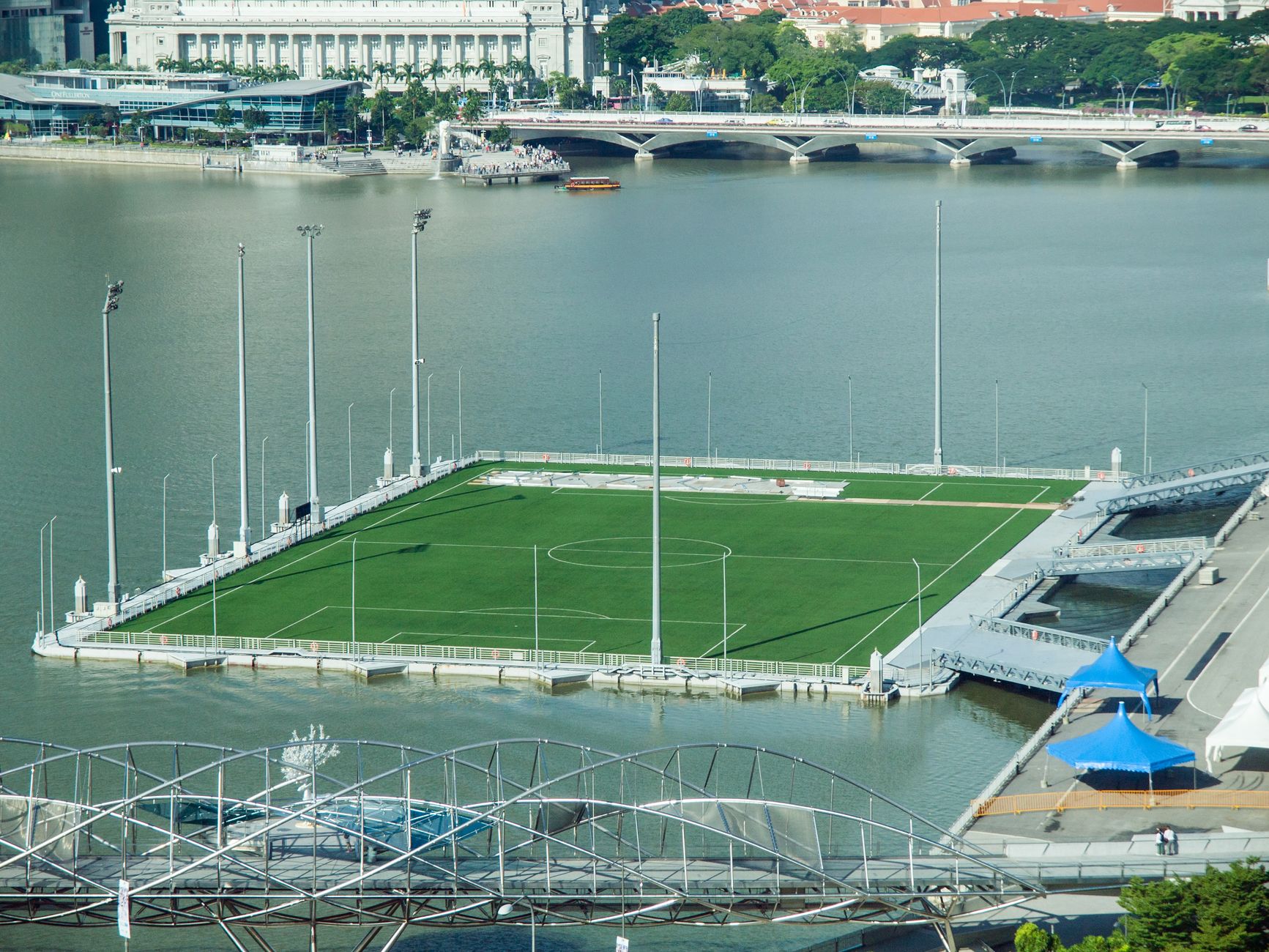
Industry analysts suggest this surge reflects broader trends in global sport consumption. World Cup viewership has fragmented across time zones and platforms, yet traditional stadium-based gatherings remain culturally significant. Marina Bay's waterfront precinct—already home to F1 races and major concerts—has become a de facto fan zone. Last Saturday evening, an estimated 1,500 people gathered near the floating platforms along the bay during Cape Verde's quarter-final match.
The logistics challenge extends beyond Singapore. Venues in Doha, Paris, and Toronto are equally scrambling. Standard hospitality packages, typically priced between SGD 3,000–8,000 per person for major events, have seen premium requests from corporate clients with Cape Verdean business ties.
For Singapore's sports infrastructure, this represents both opportunity and operational complexity. The Sports Hub's director of operations confirmed they're evaluating extended hours for dining facilities and enhanced transportation coordination with LRT services at Kallang Station.
As Cape Verde continues its tournament journey, one thing is certain: small nations punching above their weight transcend sport itself. They demand venues, logistics, and community spaces—reminding us that stadiums serve as more than physical structures. They're repositories of hope and identity.
This article was compiled by AI and screened before publishing. See our editorial standards.