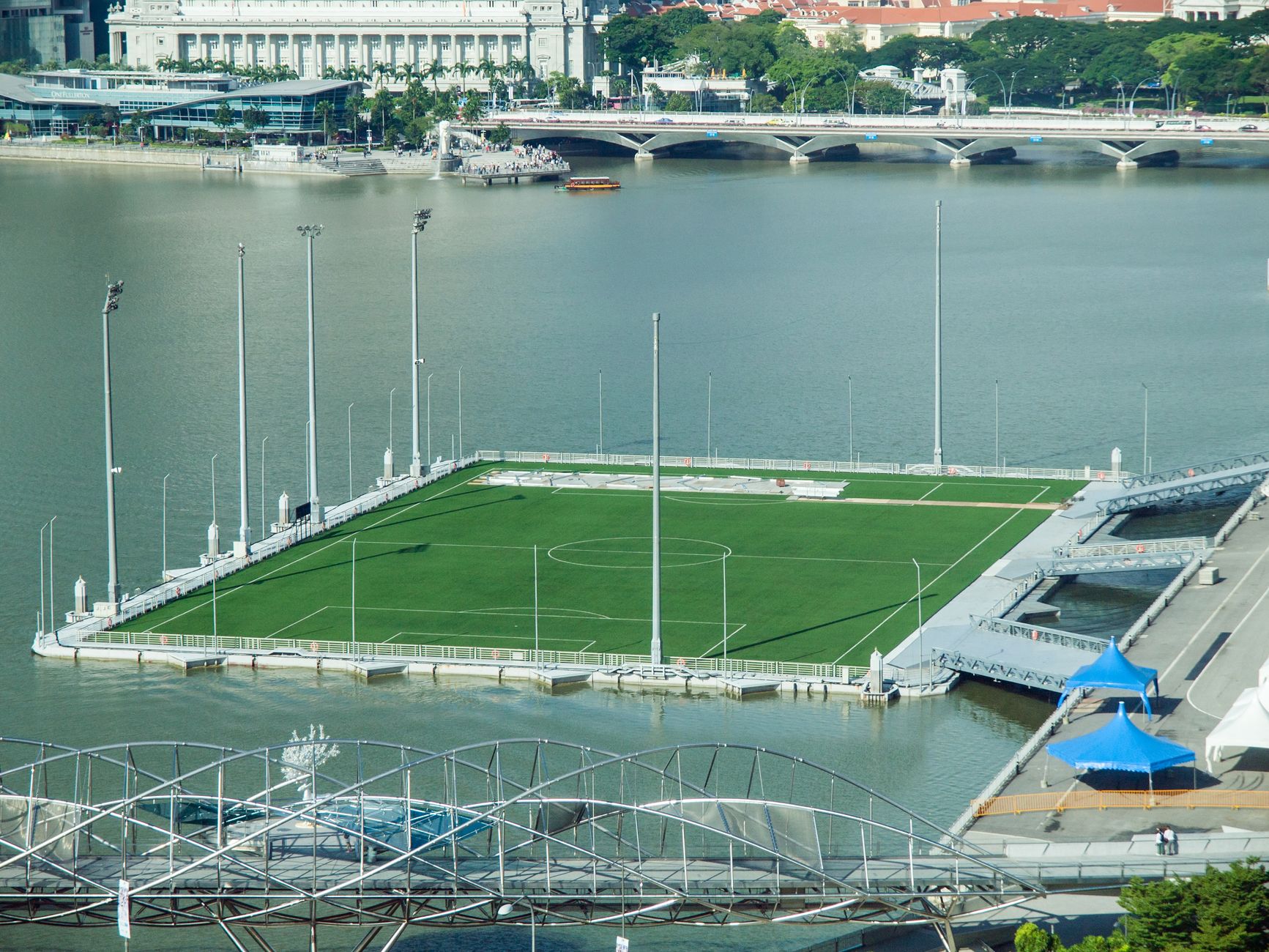
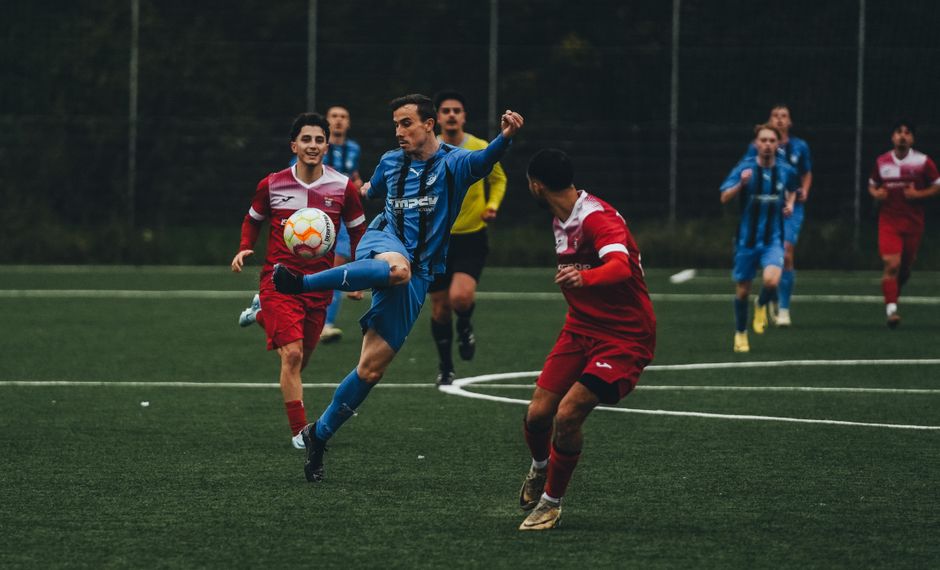
Jalan Besar Stadium sold out three consecutive Saturday evening fixtures in June. That's not a statistic the Singapore Premier League would have predicted three years ago, when crowds at some matches barely cracked 400. Something has shifted, and it goes well beyond a good run of results on the pitch.
Across the island, local sports clubs — football, rugby, swimming, even ultimate frisbee — are reporting their strongest membership figures since the post-pandemic recovery began. The SportSG data released in April put recreational sports participation among residents aged 15 to 65 at 73 percent, the highest recorded since the National Sports Participation Survey launched in 2011. Clubs that spent 2022 and 2023 fighting to keep the lights on are now turning people away from waiting lists.
The timing matters because Singapore's two anchor venues — the Singapore Sports Hub in Kallang and the Jalan Besar Stadium in Little India — are both in active programming cycles that won't repeat until 2028 at the earliest. The Sports Hub's operator, SportsHub Pte Ltd, confirmed in May that the 55,000-seat National Stadium is booked through to the end of 2026, with a mix of international friendly football, rugby sevens warm-up matches, and a concert slate that has squeezed training access for local clubs. That pressure, paradoxically, has pushed clubs to organise better and fight harder for their identity.
The Neighbourhood Level Is Where the Real Growth Is
Geylang International FC, one of the founding clubs of the Singapore Premier League, has been running its Project Roots community programme out of Bedok and Tampines since February 2025. The scheme offers subsidised coaching for boys and girls aged six to 16 at three neighbourhood pitches, including the field adjacent to Tampines Hub, a community and sports complex on Tampines Walk that already handles roughly 2.5 million visitors a year. Enrolment for the July intake closed in under 48 hours.
Singapore Rugby Union's Club Connect initiative tells a similar story. The programme, which pairs senior club players with secondary schools in Toa Payoh and Bishan as volunteer coaches, added 14 new school partnerships in 2026, up from seven in 2024. Junior registration across affiliated clubs — Alexandria, Wanderers, Bucks and others — rose 31 percent year-on-year in the first quarter of 2026. Monthly subscription fees at most clubs sit between S$60 and S$120, which organisers describe as a deliberate cap to keep access broad.
The venues themselves have had to adapt. ActiveSG, the national sports agency under SportSG, operates 27 sport centres islandwide and introduced a new tiered booking system in January that gives registered clubs priority access to facilities at off-peak rates of S$8 to S$14 per hour. Previously, community clubs and private individuals competed on the same booking platform with no preferential tier, which many coaches said made consistent training schedules nearly impossible to maintain.
What the Clubs Are Planning Next
The next test comes in September, when the Southeast Asian Games qualifying window opens and several Singapore clubs will want to use upgraded turf at Jurong East's Bukit Batok stadium for preparatory fixtures. Jurong West Swimming Club, which serves around 3,400 registered members, is lobbying SportSG for extended lane allocation at Jurong East Swimming Complex before the facility undergoes partial renovation in late 2026.
For anyone thinking of joining a club before the year-end rush, most administrators are advising registration by August at the latest. Waiting lists at popular clubs in Queenstown, Hougang and Marine Parade are already building. The Queenstown Recreation Centre on Margaret Drive, which hosts badminton, table tennis and football programming under the same roof, is one venue where walk-in registration still works — but organisers there say that window will likely close by National Day weekend in August.
The infrastructure is imperfect, the bookings are competitive, and the prime stadium turf is sometimes out of reach. But the clubs are filling up anyway. That is the clearest sign yet that grassroots sport in Singapore is not waiting for a perfect venue to start growing.