On a humid Tuesday afternoon at the Orchard Central mall, Priya Sharma stands in a queue at a bank's digital security kiosk, preparing to enable biometric authentication on her mobile wallet. Like many Singaporeans, she has become acutely aware that her smartphone—used daily to tap into MRT barriers, pay for coffee at Tiong Bahru Plaza, and transfer funds—is both a convenience and a vulnerability.
"Three years ago, I never thought about these things," says Sharma, a 34-year-old marketing manager. "Now it's second nature." Her experience reflects a broader shift reshaping daily life across Singapore's tech-savvy population, driven by rising cybersecurity concerns and increasingly sophisticated privacy tools.
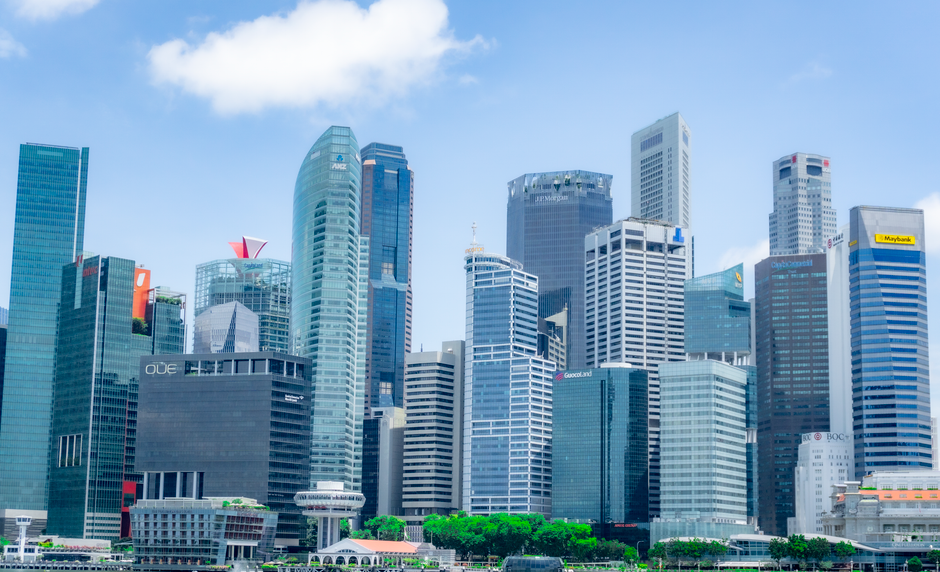
The transformation is visible everywhere. At the Central Business District's gleaming office towers along Raffles Place, corporate security briefings now include mandatory password manager training. In residential estates from Clementi to Punggol, neighbourhood WhatsApp groups regularly share warnings about phishing scams targeting locals. The Cyber Security Agency of Singapore reported that phishing attempts surged 23 percent in 2025, prompting residents to adopt VPN services—subscriptions for which cost between $3.50 and $12 monthly—and encrypted messaging apps.
Retailers have noticed behavioural changes too. At MRT stations and hawker centres, contactless payment adoption has accelerated as consumers prioritise digital transactions they perceive as safer than cash. Yet this shift has paradoxically increased demand for privacy-conscious alternatives. Local fintech adoption surveys show 41 percent of Singaporeans now use privacy-focused digital wallets, up from just 18 percent in 2023.
The shift extends beyond individual choices. Community centres in districts like Geylang and Bukit Merah now host cyber-awareness workshops monthly, often led by volunteers or government agencies. Libraries across Singapore have begun prominently displaying resources on digital safety, positioning them as neighbourhood hubs for digital literacy alongside traditional reading services.
Even dating culture has been affected. Young professionals using apps in Singapore increasingly configure privacy settings limiting data exposure before meeting strangers—a practice almost unheard of locally five years ago.
Tech entrepreneurs have seized the opportunity. Startups founded in the i-BLOCK at Block 71, Ayer Rajah, are now developing localised cybersecurity solutions tailored to Singaporean users. The Personal Data Protection Act, regularly updated, continues to tighten, pushing both consumers and businesses toward stricter digital hygiene.
For Singaporeans navigating one of the world's most connected cities, privacy tools are no longer niche—they have become the invisible infrastructure of modern urban life.
This article was compiled by AI from the sources linked above and screened before publishing. See our editorial standards.