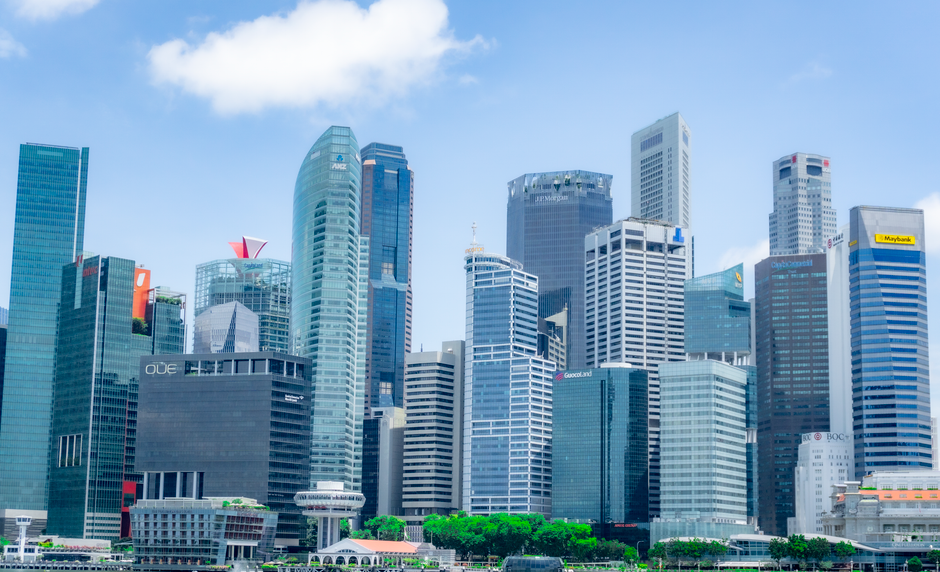
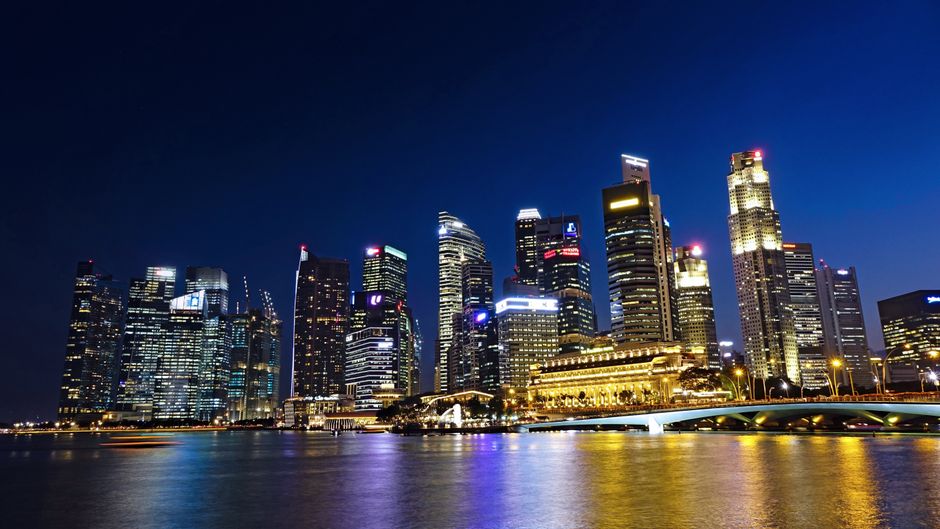
Walk through Block 71 in Ayer Rajah or the corridors of One North, and you'll notice something that sets Singapore apart from Silicon Valley or London's tech hubs: a peculiar blend of precision and pragmatism that extends to how work itself is organised.
Singapore's remote work ecosystem has matured rapidly, driven by a unique convergence of factors that few global cities can replicate. The densely connected island—where the farthest commute rarely exceeds 45 minutes—has paradoxically become a testing ground for globally distributed teams. Major tech firms including ByteDance, Shopee, and Grab maintain significant Singapore operations, yet increasingly manage talent across Asia and beyond through hybrid arrangements that demand sophisticated infrastructure.
Coworking spaces here reflect this tension between hyper-local efficiency and regional ambition. JustCo, which operates across multiple Singaporean locations including spaces in Tanjong Pagar and along Eu Tong Sen Street, reported a 35% year-on-year growth in memberships through 2025, with an expanding proportion drawn from international remote workers. Meanwhile, The Working Capitol in Collision 8 on Mohamed Sultan Road and similar venues have shifted positioning—they're no longer just casual office alternatives, but nodes in a broader Asian work network.
What makes Singapore distinctive is the regulatory clarity that undergirds this flexibility. The Ministry of Manpower's framework around flexible work arrangements, combined with relatively straightforward visa pathways for tech talent through programmes like the Tech.Pass initiative, creates conditions where multinational teams can operate smoothly across borders. This contrasts sharply with European cities grappling with complex work permit regulations or American cities where remote work remains somewhat culturally contentious.
The economic incentive matters too. Commercial real estate in central Singapore—where Grade A office space averages SGD 10-14 per square foot monthly—means companies save substantially by adopting hybrid models compared to maintaining full office footprints. Coworking memberships, typically ranging from SGD 300-800 monthly for flexible hot-desking, offer businesses scalability that traditional leases cannot match.
Perhaps most crucially, Singapore's position as a bridge between Western tech capital and Asian growth markets means its remote-first companies aren't choosing isolation—they're optimising for leverage. A tech startup operating from a coworking space in Bukit Pasoh can access regional talent, maintain connections with Silicon Valley investors, and serve customers across ASEAN without the overhead of traditional hubs.
As global tech hubs increasingly compete on flexibility rather than agglomeration, Singapore's distributed work ecosystem suggests the future belongs not to cities that force workers into offices, but to those that make remote work logistically frictionless while preserving the spontaneous collaboration that physical proximity once guaranteed.
This article was compiled by AI from the sources linked above and screened before publishing. See our editorial standards.