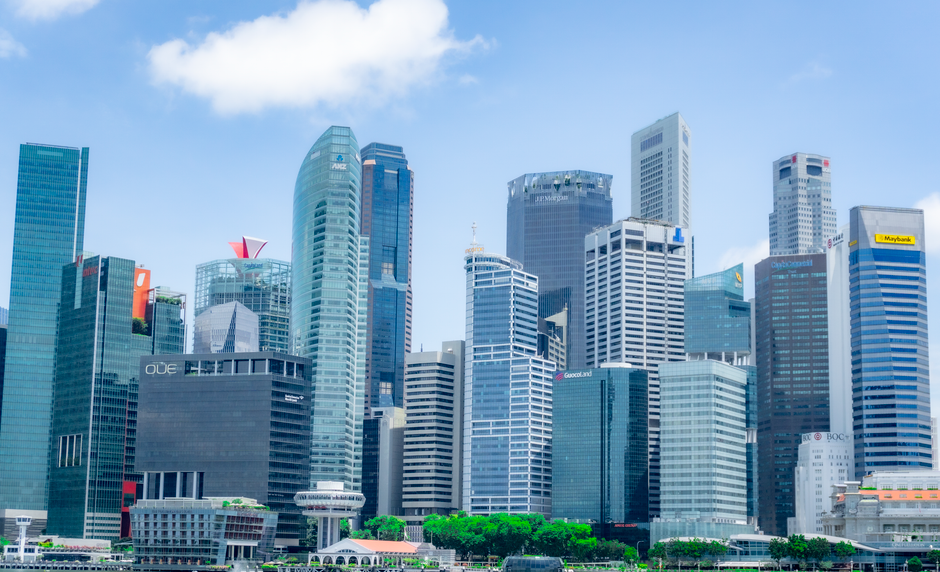
Walk through Block 71 on Mohamed Sultan Road, and you'll see the physical manifestation of Singapore's venture capital transformation. What was once a sleepy colonial building now houses startup hubs, corporate innovation labs, and investor offices—a far cry from even five years ago when founder confidence in securing meaningful capital was decidedly mixed.
The numbers tell a compelling story. Southeast Asia attracted USD 19.3 billion in venture funding in 2025, with Singapore accounting for roughly 35 per cent of that haul. More significantly, the average Series A cheque size in the city-state has grown to USD 8-12 million, up from USD 4-5 million in 2019. This maturation reflects not just investor appetite, but a genuine belief that Singapore-born companies can scale regionally and globally.
The shift has been underpinned by institutional capital entering the market. Singapore's Monetary Authority introduced regulatory sandboxes for fintech in 2016, which later expanded to cover blockchain and digital assets. That regulatory clarity attracted mega-funds: Sequoia Capital, Accel, and Tiger Global all expanded their Singapore operations between 2022 and 2024. Locally, homegrown vehicles like Insignia Venture Partners and Vulpes Investment Management raised outsized funds, signalling confidence in the pipeline.
What's particularly interesting is the democratisation of early-stage funding. Angel networks operating from coworking spaces in the CBD and along the Singapore River—particularly around Boat Quay and the Outram area—are now funnelling capital into pre-Series A companies at volumes previously unthinkable. Syndicates have become the norm, allowing smaller cheques to aggregate into meaningful rounds.
But capital accessibility masks a harder truth: survival rates remain challenging. While funding availability has surged, the valley of death between Series A and Series B remains treacherous. Companies burning through USD 100,000 monthly burn rates aren't uncommon, yet many struggle to demonstrate unit economics that justify subsequent rounds. The 2023-2024 correction, though milder in Singapore than elsewhere, culled weaker operators.
The ecosystem's maturity also shows in its specialisation. Fintech and enterprise software dominate Singapore's funding landscape—they account for nearly 60 per cent of deals—while deeptech and biotech remain underfunded relative to their innovation potential. This concentration, while reflecting genuine market strength, leaves gaps for opportunistic investors.
What emerges is an ecosystem no longer dependent on founder luck. The availability of experienced mentors, repeat investors, and demonstrated exit pathways—think Grab's regional dominance or Canva's global success—has created self-reinforcing momentum. Singapore's startup funding story is no longer about hope. It's about infrastructure, capital discipline, and sustainable growth.
This article was compiled by AI from the sources linked above and screened before publishing. See our editorial standards.