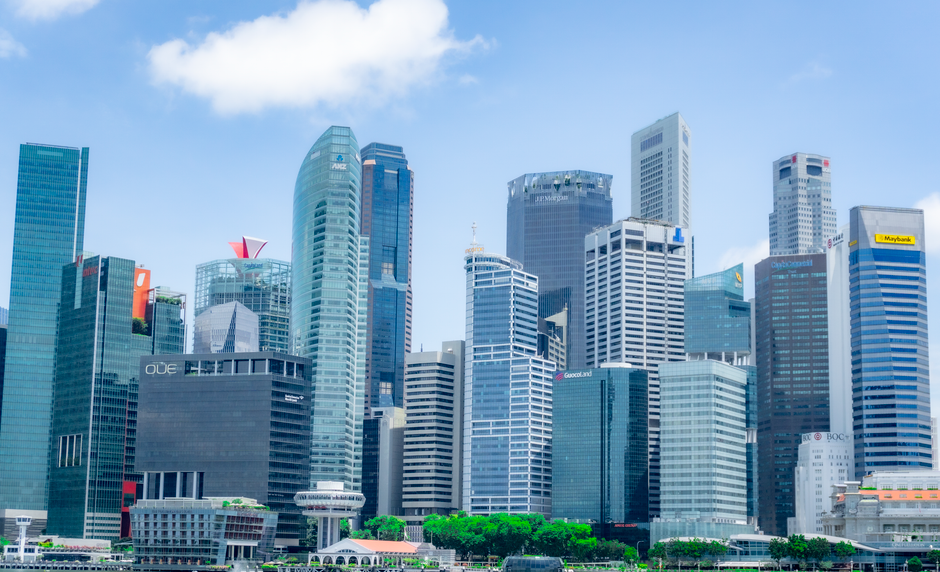
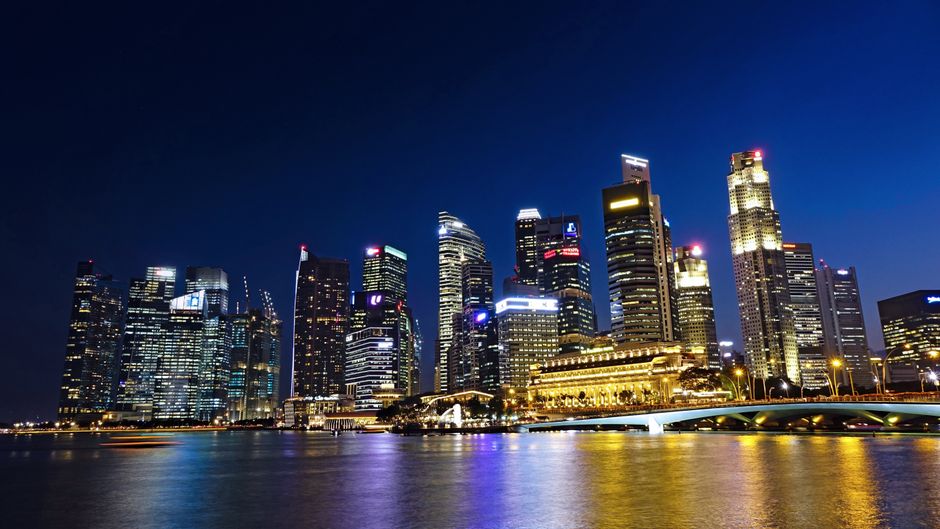
While cities across the globe scramble to rebrand themselves as "smart," Singapore's digital transformation feels different—less marketing exercise, more methodical infrastructure overhaul. Walking through Punggol or Jurong, where 5G networks blanket residential corridors and IoT sensors monitor everything from traffic flow to air quality, you sense a city treating technology not as an afterthought but as foundational urban plumbing.
What distinguishes Singapore's approach globally is the absence of the usual friction points. Most cities struggle with fragmented bureaucracies, competing municipal departments, or public resistance to data collection. Here, the Government Technology Agency (GovTech) operates with unusual coordination across agencies, while centralised planning via the Urban Redevelopment Authority ensures new developments embed smart infrastructure from inception rather than retrofitting it later—a costly mistake many Western cities are still making.
Consider the numbers. Singapore's digital government services rank first globally in the UN's e-Government Development Index. By 2025, over 1,200 government services were accessible through a single digital gateway. Compare that to most democracies, where citizens still navigate a labyrinth of separate portals and agencies. The efficiency gains are measurable: processing a business licence here takes hours, not weeks.
The ecosystem also benefits from geographic constraint. A city-state of 5.7 million spread across 730 square kilometres can implement coordinated policy in ways London or Tokyo cannot. Sensors deployed across Marina Bay, smart traffic lights on Orchard Road, and real-time flood monitoring systems across the island operate as integrated systems, not disconnected pilot projects. This coherence is a competitive advantage most larger cities cannot replicate.
But perhaps most distinctive is Singapore's pragmatism about data governance. Rather than the ideological polarisation that paralyses Western cities—tech utopians versus privacy hawks—Singapore has quietly built frameworks that prioritise both. Public biometric systems coexist with clear data-use boundaries. Residents debate the terms, but implementation proceeds. This pragmatism attracts multinational tech firms to establish R&D centres here, from Microsoft to Google to the region's growing slate of AI companies.
The island is also unusual in treating smart city infrastructure as economic infrastructure. Changi Airport's digital systems aren't just convenient—they generate revenue through operational efficiency. Port authorities use predictive analytics to optimise logistics. Tourism operators tap real-time data on visitor flows to Sentosa and the Gardens by the Bay.
As global cities chase "smart" status, Singapore's distinction lies not in technological novelty but in institutional coherence, long-term planning horizons, and treating digital transformation as governance reform, not tech theatre.
This article was compiled by AI from the sources linked above and screened before publishing. See our editorial standards.