Singapore's venture capital landscape is entering a critical inflection point. After a volatile 2024-2025 funding cycle that saw deal volumes drop nearly 35 per cent across Southeast Asia, the city-state's investor community is recalibrating its thesis—and the implications for the next wave of startups are profound.
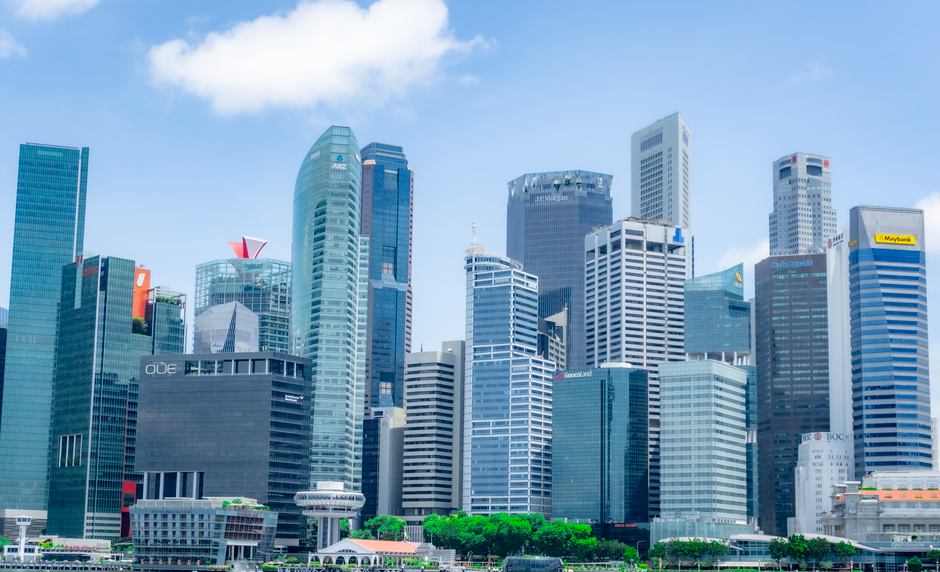
The Economic Development Board and Enterprise Singapore have quietly signalled a strategic pivot toward "deep tech with commercial traction," moving beyond the consumer apps and SaaS platforms that dominated the previous decade. VCs clustered around One Raffles Quay, Marina Bay, and the growing venture hubs in Block 71 at Ayer Rajah are now actively building product roadmaps that reflect three distinct themes: autonomous logistics networks, advanced manufacturing, and regional fintech infrastructure.
"The next 18 to 24 months will separate serious operators from noise," says the sentiment echoing through meetings at places like LaunchPad and The Working Capitol. Investors are increasingly demanding founders demonstrate not just product-market fit, but sustainable unit economics and clear pathways to Series B within 18 months. This represents a sharp departure from the growth-at-all-costs mentality of 2021-2022.
Funding cheques themselves are evolving. While mega-rounds above US$20 million have become rarer, micro-VCs and family offices are stepping in with US$2-5 million tranches, particularly for founders with prior exits or strong technical credentials. Singapore-domiciled funds have raised approximately US$1.2 billion across 12 new vehicles in the first half of 2026, according to preliminary data from the Singapore Venture Capital and Private Equity Association.
The geographic expansion narrative has also shifted. Rather than chasing pan-Asian ambitions from day one, successful startups are now building defensible positions in Singapore's fintech corridors (Changi Business Park, Tanjong Pagar) before expanding to Jakarta or Ho Chi Minh City. Cross-border regulatory expertise and data governance have become critical competitive advantages.
For founders, the message is clear: runway matters more than headlines. Traditional media narratives around "unicorn hunting" have given way to steady, profitable growth. The startups attracting capital in H2 2026 are those solving genuine infrastructure gaps—supply chain visibility, last-mile logistics optimisation, embedded finance—rather than chasing trends.
Singapore's position as a trusted jurisdiction and global fintech hub means the city will likely concentrate deeptech investment even as regional competition intensifies. The question now is whether the next generation of founders can build companies that justify the heightened investor scrutiny.
This article was compiled by AI and screened before publishing. See our editorial standards.