Coworking Spaces Singapore: WorkHub's AI Solves Desk Shortage
WorkHub's AI scheduling platform launches to tackle Singapore's coworking crisis, matching hybrid workers with available desks across CBD and beyond using machine learning.
3 min read
WorkHub's AI scheduling platform launches to tackle Singapore's coworking crisis, matching hybrid workers with available desks across CBD and beyond using machine learning.
3 min read
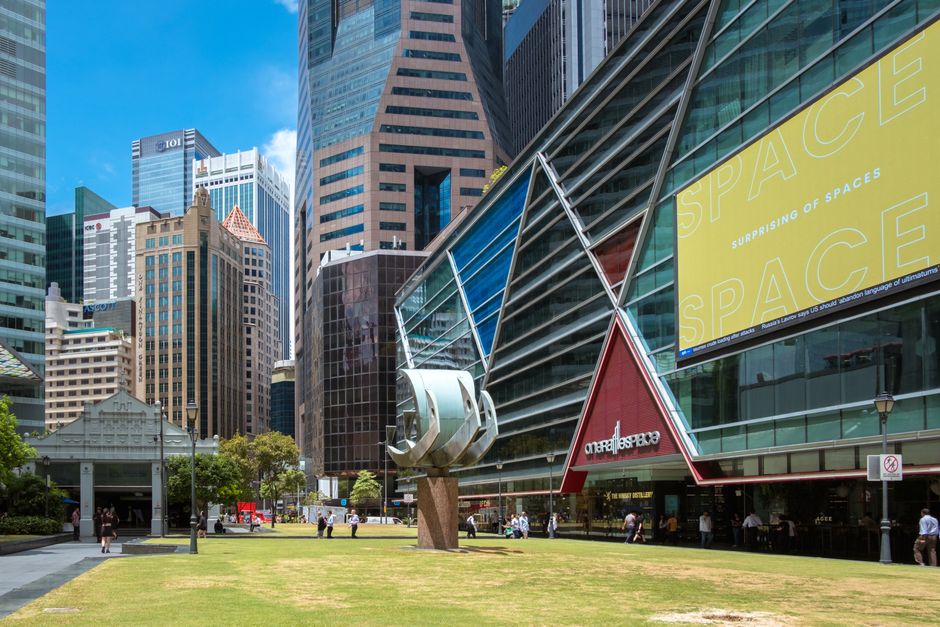
Singapore's remote work revolution has created an unexpected problem: too many workers, not enough desks. With nearly 60% of Singapore's workforce now splitting time between home and office—a figure that's climbed steadily since pandemic restrictions eased—coworking operators from Raffles Place to Tanjong Pagar are grappling with unpredictable demand and mounting vacancy costs.
Enter WorkHub, a Singapore-founded startup that's quietly become the answer to this scheduling nightmare. Launching its AI-powered desk allocation system this month, the platform uses machine learning to predict occupancy patterns and match remote workers with available coworking spaces in real time, solving what's been a persistent headache for operators managing 15,000+ desks across the island.
"The challenge is simple math," says the startup's founder, who declined to be named pending an official announcement. "A coworking operator in Tanjong Pagar might be 40% full on Tuesday but overbooked on Wednesday. Meanwhile, someone working from a cramped flat in Punggol is paying $400 monthly for a hot desk they use twice a week." WorkHub's system learns these patterns, predicts surges, and dynamically routes workers to available spaces—sometimes offering discounts on underutilised locations.
The timing is critical. Data from Singapore's Economic Development Board shows coworking operators currently operate at 68% average occupancy, down from 78% in early 2024. Major players like The Great Room (with locations in Boat Quay and Bukit Timah) and JustCo are already piloting WorkHub's platform. Initial trials show operators can increase occupancy by 12-15% within three months, translating to meaningful revenue recovery.
What sets WorkHub apart isn't just the technology—it's the local insight. Unlike offshore competitors, the platform understands Singapore's unique context: the concentration of CBD workers, the MRT-dependent commuting patterns, and the preference for neighbourhood-based work clusters emerging in districts like Marine Parade and Jurong East.
For workers, the appeal is straightforward. The app integrates calendar data, transport times, and personal preferences to recommend optimal coworking locations, often undercutting the $30-$50 daily rate with predictive pricing. A beta user working across three projects told us she's cut her coworking spend to $250 monthly—half her previous cost.
As Singapore positions itself as a global hybrid-work hub, WorkHub's launch signals something larger: the future of work infrastructure here won't be about sprawling office parks or infinite hot desks. It'll be about intelligent allocation, sustainability, and making flexibility genuinely affordable for the city's growing remote workforce.
This article was compiled by AI and screened before publishing. See our editorial standards.
About this article
Published by The Daily Singapore
Spread the word
Daily brief
Free, in your inbox before 7am. Weekdays.
Before you go
The day's Singapore news in a 2-minute read. Free, weekday mornings.