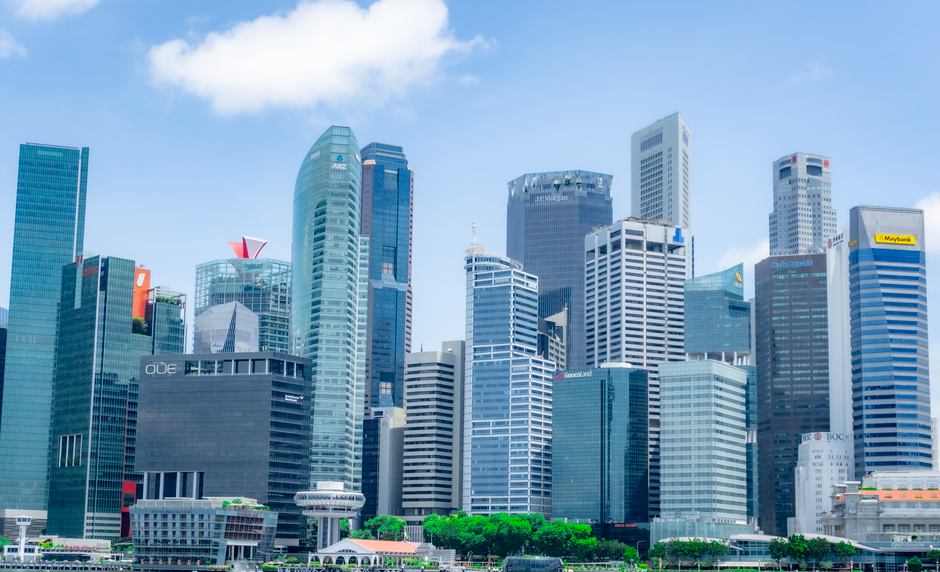
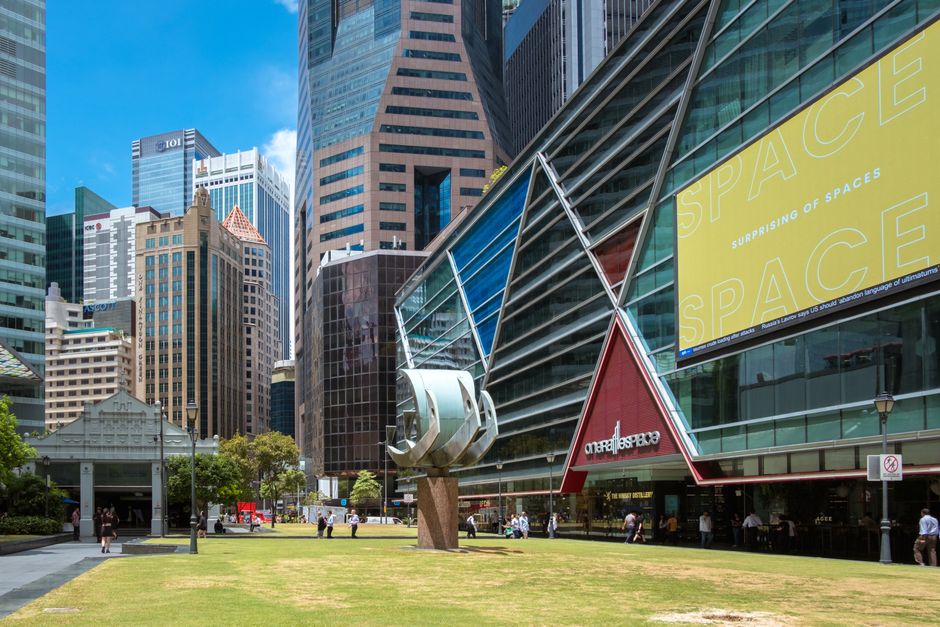
When Singapore's Smart Nation Initiative kicked into high gear around 2016, few predicted the venture capital stampede that would follow. Today, the city-state's government technology sector has attracted over $2 billion in cumulative funding, transforming Singapore from a policy-driven smart city into a genuine hotbed for digital innovation investment.
The numbers tell a compelling story. The Government Technology Agency, or GovTech, has expanded from a nascent department into a sprawling innovation hub headquartered in Mapletree Business City. Alongside it, the Economic Development Board has facilitated over $400 million in direct venture investments into local govtech startups since 2022 alone. This isn't idle spending—it's strategic capital allocation aimed at positioning Singapore as the region's digital governance leader.
The investment landscape has fundamentally shifted. Early-stage govtech firms operating out of spaces like Block71 in Ayer Rajah and the LaunchPad at One Marina Boulevard are now attracting Series B and C funding rounds that would have seemed improbable five years ago. Companies developing integrated payment systems, real-time traffic management algorithms, and AI-driven citizen service platforms are raising $15 million to $40 million per round from institutional investors increasingly convinced of govtech's profitability.
What's driving this capital influx? Several factors converge. Singapore's dense urban geography and sophisticated regulatory environment create ideal testing grounds for scalable solutions. Successful deployments of smart traffic lights across Bukit Timah and integrated waste management in Punggol validate technology at scale. Meanwhile, neighbouring economies—from Malaysia to Indonesia—are actively seeking proven digital governance models, creating export opportunities that venture firms view as high-growth potential.
Government commitment amplifies private confidence. The National Artificial Intelligence Strategy, combined with $500 million earmarked for digital infrastructure through 2025, signals sustained appetite for innovation. This public backing de-risks private investment, allowing venture funds to back bolder, longer-runway projects than they might otherwise consider.
The ecosystem extends beyond central Singapore. Jurong Innovation District is emerging as a secondary tech hub, attracting govtech firms focused on smart industrial operations and supply chain digitalisation. Meanwhile, Changi Business Park hosts clusters of companies building cloud infrastructure specifically designed for government workloads.
Industry observers caution against irrational exuberance. Profitability remains elusive for many startups, and government procurement cycles move slowly. Yet the funding trajectory suggests investors view Singapore's smart city play as a legitimate, long-term wealth creation story—one where policy alignment, capital availability, and genuine technological need converge into genuine returns.
This article was compiled by AI and screened before publishing. See our editorial standards.