Singapore Smart City Privacy: Balancing Tech & Equity
Singapore's smart city expansion raises concerns about privacy and inequality. Experts weigh IoT benefits against citizen autonomy costs.
3 min read
Singapore's smart city expansion raises concerns about privacy and inequality. Experts weigh IoT benefits against citizen autonomy costs.
3 min read
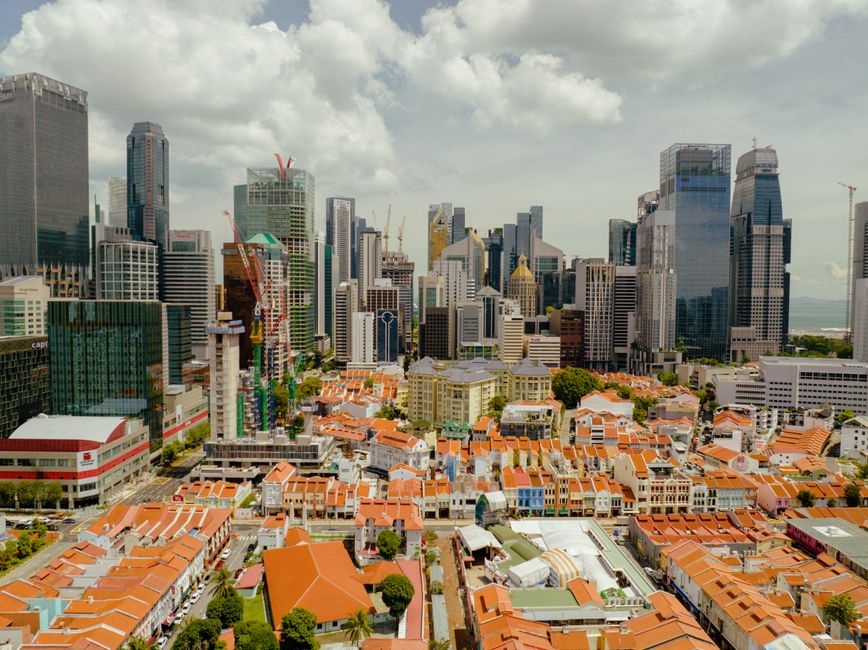
Walk through Punggol New Town on any weekday and you'll see Singapore's smart city ambitions materialise before your eyes: intelligent traffic lights adapting to real-time congestion, sensors monitoring air quality, and integrated digital platforms managing everything from water distribution to waste collection. By 2026, the government has invested billions into transforming the island into a model of urban digital efficiency. Yet beneath this gleaming facade, uncomfortable questions linger about who bears the costs of progress—and who reaps the rewards.
The Infrastructure and Digitalisation Ministry's push toward ubiquitous IoT deployment across the city has undoubtedly delivered measurable wins. Journey times on the East Coast Expressway have dropped 12 per cent since predictive traffic management systems went live. Smart metering in HDB estates has enabled residents to track consumption patterns in real-time, with some households reporting 15–20 per cent reductions in utility bills. These are genuine public goods.
But the price of convenience is mounting scrutiny. Residents in Geylang and other lower-income neighbourhoods have raised concerns that digital governance platforms—designed to optimise resource allocation—may inadvertently concentrate surveillance in economically disadvantaged areas. When algorithmic systems flag patterns in municipal complaints or health data, for instance, whose interests are truly being served? Privacy advocates note that Singapore's existing data protection frameworks, while relatively robust by regional standards, struggle to keep pace with the volume and granularity of information now being harvested.
The equity question cuts deeper still. Elderly residents, migrant workers, and those without reliable broadband access risk becoming digital underclasses in a hyperconnected city. Orchard Road's gleaming smart buildings contrast starkly with less-served pockets of the island where digital infrastructure rollout lags by months or years. When essential services—from housing applications to healthcare booking—migrate exclusively online, who gets left behind?
Government technologists and private sector partners argue these are growing pains, not systemic failures. The Smart Nation and Digital Government Group has commissioned audits and published principles around responsible data use. Yet implementation remains uneven, and enforcement teeth remain questionable.
Singapore's transformation is remarkable. But as digital systems grow more sophisticated and interconnected, the city must grapple with harder truths: technological progress is not politically neutral, efficiency gains benefit some more than others, and surveillance—however well-intentioned—demands constant ethical scrutiny. The promise of a smart Singapore is real. So are the risks of leaving portions of society behind in the rush to optimise.
This article was compiled by AI from the sources linked above and screened before publishing. See our editorial standards.
About this article
Published by The Daily Singapore
Spread the word
Daily brief
Free, in your inbox before 7am. Weekdays.
Before you go
The day's Singapore news in a 2-minute read. Free, weekday mornings.