Remote Work Singapore: Why Tech Talent Chooses This Hub
Discover how Singapore's coworking spaces, government support, and tech infrastructure create Asia's most stable remote work ecosystem for hybrid professionals.
3 min read
Discover how Singapore's coworking spaces, government support, and tech infrastructure create Asia's most stable remote work ecosystem for hybrid professionals.
3 min read
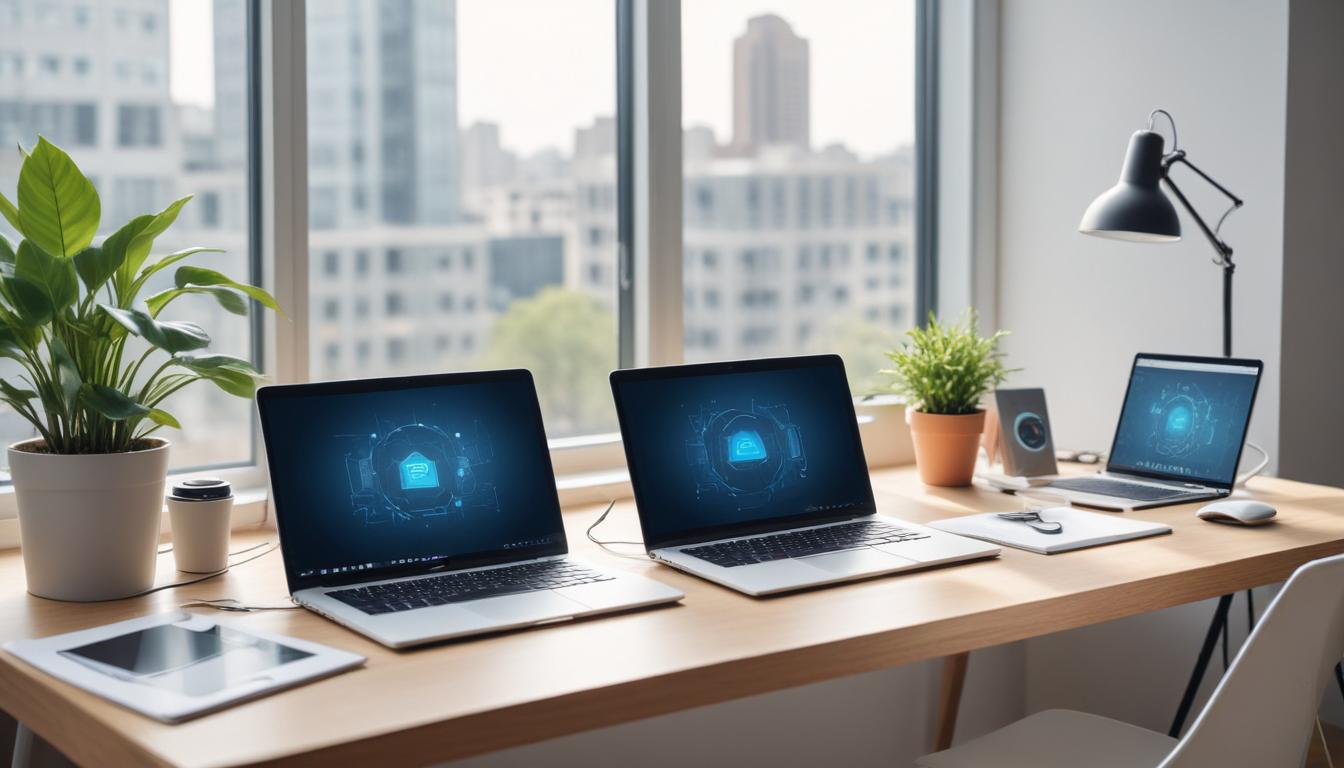
When GlobalWorks expanded its coworking operation to a third location on Mohamed Sultan Road earlier this year, it wasn't chasing trends—it was capitalising on something distinctly Singaporean: a tech workforce that demands both flexibility and institutional stability in ways most Western markets don't.
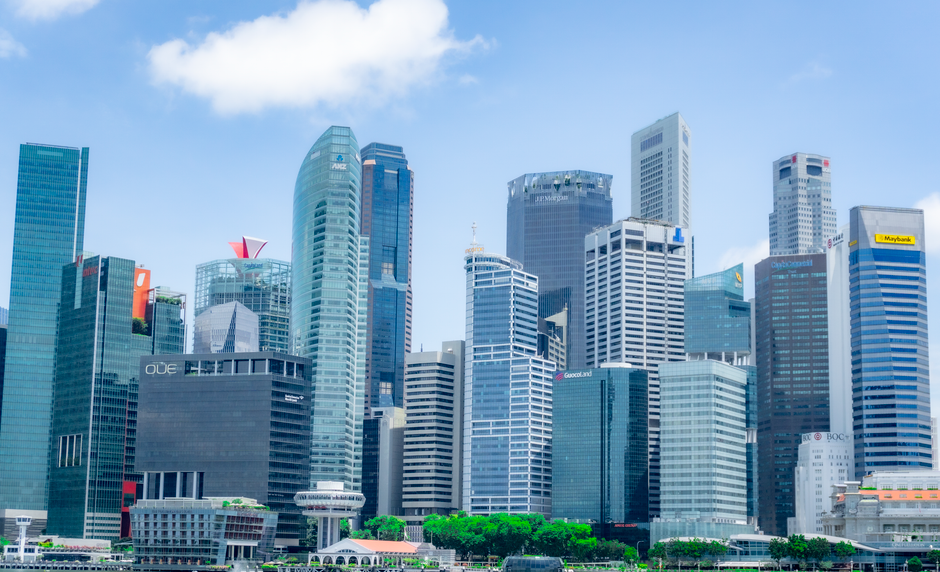
Singapore's remote work ecosystem has evolved into something unusual on the global stage. Unlike San Francisco's chaotic scaling or London's fragmented neighbourhood clusters, this city offers something rarer: seamless coordination between private coworking operators, government planning frameworks, and a densely networked financial sector all within 730 square kilometres.
The numbers tell the story. Post-pandemic surveys show that 73% of Singapore's tech professionals work hybrid arrangements, compared to 62% across major US tech hubs. Yet average coworking membership costs here remain competitive—around SGD $800 monthly for hot-desk access versus USD $600 in Silicon Valley—while maintaining superior connectivity. The city's Gig Economy Framework, introduced by the Ministry of Manpower, provides clearer employment classifications than most jurisdictions, reducing legal ambiguity that plagues remote work arrangements elsewhere.
What distinguishes Singapore is geographic leverage. Coworking clusters in Tanjong Pagar, where tech firms cluster near heritage shophouses refurbished into innovation spaces, position workers within minutes of the financial district and MRT networks. This isn't accidental urban planning—it reflects Singapore's deliberate strategy to blend heritage preservation with tech infrastructure development.
The city's role as Asia's connectivity nexus amplifies this advantage. Remote workers in Singapore's coworking spaces interact with colleagues across Tokyo, Shanghai, and Mumbai without the time-zone friction that plagues US-based teams managing Asian operations. Bandwidth costs and internet reliability—critical for distributed teams—rank among the world's best here, with average speeds exceeding 300 Mbps.
Yet Singapore's distinctive edge runs deeper than infrastructure. The city-state's lack of space scarcity has paradoxically forced innovation in shared work culture. Coworking operators here focus on community-building rather than mere desk provision, recognising that a population of 5.9 million requires collaborative networks, not isolation. Spaces like The Hive on Outram Road and JustCo across multiple branches emphasise professional development programming and cross-company networking.
As global companies reconceptualise office strategy, Singapore's model offers a template: efficient density paired with regulatory predictability, underpinned by world-class infrastructure and Asia-Pacific connectivity. The question for other tech hubs isn't whether they can replicate Singapore's geography, but whether they can replicate its integrated approach to reimagining where work actually happens.
This article was compiled by AI from the sources linked above and screened before publishing. See our editorial standards.

About this article
Published by The Daily Singapore
Spread the word
Daily brief
Free, in your inbox before 7am. Weekdays.
The Daily Network — local news across Australia