Solar Energy Singapore: Sunseap's Rooftop Innovation Explained
Sunseap's adaptive micro-grid platform is transforming how Singapore's commercial buildings generate rooftop solar power with AI-powered energy management.
2 min read
Sunseap's adaptive micro-grid platform is transforming how Singapore's commercial buildings generate rooftop solar power with AI-powered energy management.
2 min read
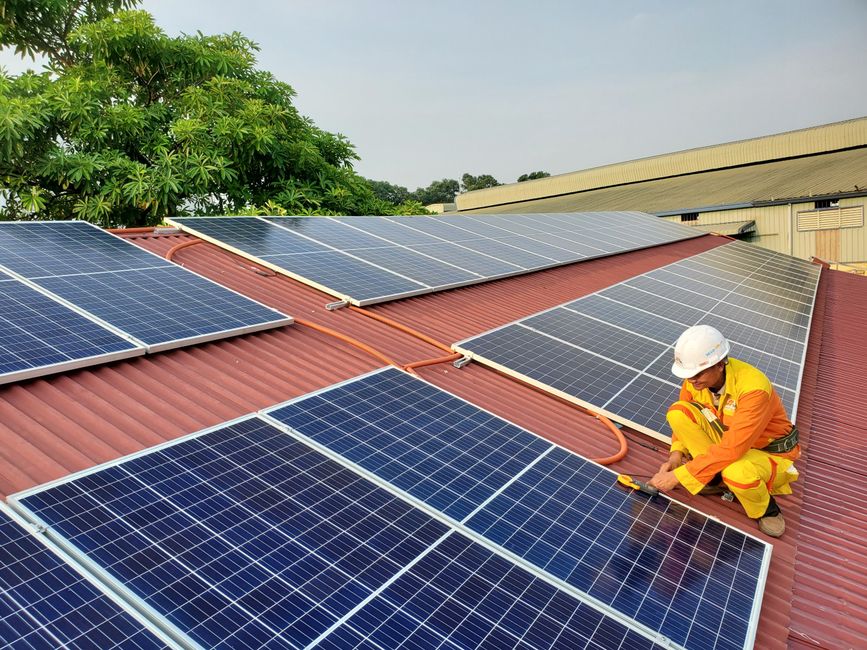
Walk through the industrial estates of Tuas or past the warehouses lining Kranji Road, and you'll notice something quietly changing on Singapore's rooftops. Solar panels are becoming as commonplace as air-conditioning units—but the technology mounting them is getting smarter, and one company is leading the charge.
Sunseap, the island's largest independent solar energy provider, has just launched what it calls its "adaptive micro-grid platform" across three major sites this month. The system, deployed on commercial and industrial rooftops across the Clementi, Tanjong Pagar, and Woodlands regions, uses real-time AI to balance power generation and storage across interconnected buildings—essentially creating neighbourhood-level energy ecosystems that don't rely entirely on the grid.
For a densely packed island where rooftop real estate is precious and grid resilience is critical, the implications are significant. Singapore's 2030 Green Plan targets 2GW of solar capacity by the end of the decade. Currently, the island sits at around 1.3GW. Sunseap's network, which already powers over 300 commercial clients, accounts for roughly a quarter of that installed capacity. If this new platform scales as projected, it could accelerate the country's timeline considerably.
The innovation addresses a persistent problem: solar generation is intermittent. Singapore's tropical climate means cloudbursts can slash output in minutes. Traditional solar installations require heavy battery backup or grid dependency. Sunseap's system uses machine learning to predict cloud cover patterns and coordinate power sharing across multiple sites. Early data from pilot installations shows a 23% improvement in energy self-sufficiency compared to standalone systems.
What makes this particularly relevant now is Singapore's push toward grid independence amid global supply chain volatility. After rising energy costs and sporadic grid incidents in neighbouring regions over the past two years, enterprises here have grown increasingly interested in distributed renewable solutions. Commercial customers can reduce electricity costs by up to 30%, according to Sunseap's figures, while simultaneously strengthening grid stability during peak demand periods.
The company is targeting 50 additional deployments by year-end, with expansion into residential precincts like Bukit Merah and Tiong Bahru planned for 2027. At a time when energy security and carbon neutrality have moved from boardroom discussion topics to operational necessities, Sunseap's adaptive platform represents the kind of infrastructure innovation that could define Singapore's competitive edge. It's not flashy, but it's transformative—exactly what a resource-constrained island-city needs.
This article was compiled by AI and screened before publishing. See our editorial standards.
About this article
Published by The Daily Singapore
Spread the word
Daily brief
Free, in your inbox before 7am. Weekdays.
Before you go
The day's Singapore news in a 2-minute read. Free, weekday mornings.