Walk into any coffee shop in Tiong Bahru or Bukit Timah, and you'll spot a common sight: smartphone users connecting to public Wi-Fi while wearing what looks like digital armor. VPN subscriptions, which cost between SGD 8 to 15 monthly, have become as routine as ordering a kopi for many Singaporeans navigating an increasingly complex threat landscape.
The shift is neither paranoid nor niche. A 2025 survey by the Cybersecurity Agency of Singapore (CSA) found that 62% of local residents now use password managers or two-factor authentication—nearly double the adoption rate from three years ago. For office workers commuting daily from the East Coast to the Central Business District, or families managing finances across multiple platforms, these tools have become non-negotiable safeguards.
The change is most visible in how Singaporeans transact. At MRT stations and hawker centres from Clementi to Tampines, contactless payments and digital wallets dominate. Yet this convenience comes with a privacy cost many residents are only now reckoning with. Banks and fintech firms operating here—from DBS to newer players in the Fintech Hub at Block 71 in Ayer Rajah—have ramped up biometric security and encrypted transactions. But each layer of security also means more data points being collected.
Private tuition centres and enrichment classes across neighbourhoods like Jurong East have similarly transformed. Parents now require their children to understand basic digital hygiene before entering secondary school. Some schools now teach cybersecurity basics, reflecting official recognition that digital literacy is as critical as numeracy.
The shift hasn't been frictionless. A recent incident involving unauthorized access to personal data at a healthcare provider sparked heated discussions in neighbourhood Telegram groups. Simultaneously, the CSA's 2025 report noted that scams targeting elderly residents—often through messaging apps and fake government alerts—rose 34% year-on-year. For many living in HDB flats and private condominiums alike, trust in digital systems remains fragile.
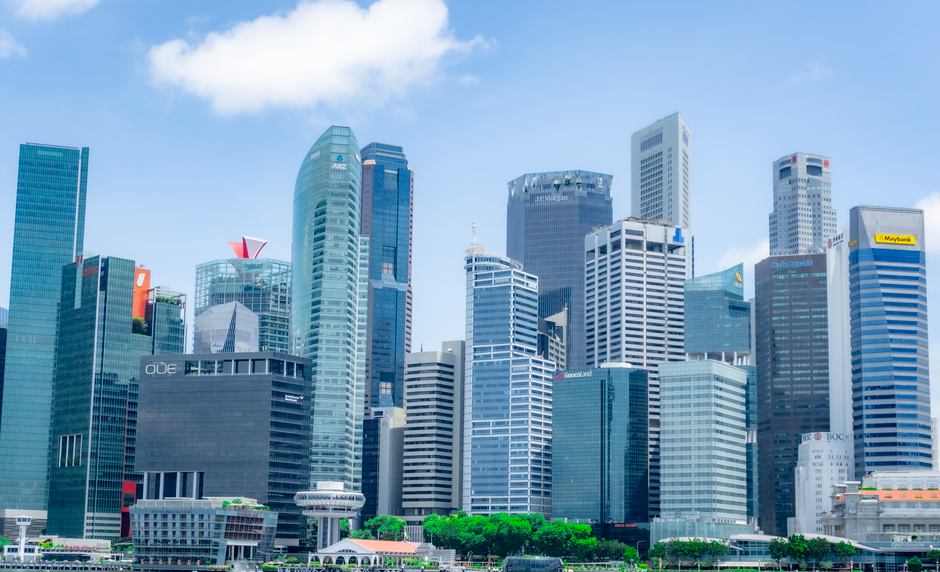
Yet Singaporeans persist. Young professionals working in tech hubs around the Marina Bay Financial Centre now routinely audit their digital footprints. Families negotiate privacy settings on children's devices. Retail workers at malls from Ngee Ann City to Jurong Point help elderly customers set up secure login methods for e-commerce and banking.
What emerges is a portrait of a tech-savvy island population adapting faster than policy can sometimes follow—not out of enthusiasm, but necessity. For Singaporeans in 2026, cybersecurity isn't an afterthought. It's simply how modern life works.
This article was compiled by AI and screened before publishing. See our editorial standards.