Every Tuesday and Thursday morning, a group of residents gather at the void deck of a Tiong Bahru HDB block. What started three years ago as an informal tai chi session has evolved into a structured fitness programme that has transformed the lives of over 40 participants, most in their 60s and 70s.
This grassroots movement reflects a broader shift in how Singapore's ageing population approaches wellness. While polyclinics and ActiveSG centres provide structured programmes, many seniors are discovering that community-driven initiatives—often led by their peers—deliver the most sustainable health outcomes.
The numbers tell a compelling story. According to the Health Promotion Board's 2024 Active Ageing Survey, adults over 60 who participated in regular community exercise programmes reported 34 per cent improvement in mobility metrics and 28 per cent fewer fall-related injuries compared to non-participants. Yet participation rates remain modest at around 22 per cent.
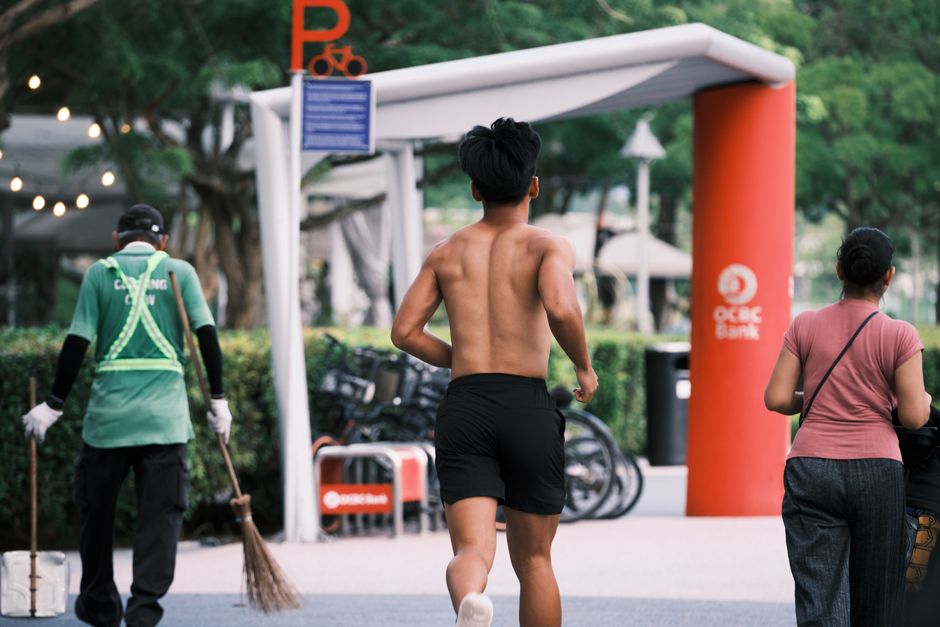
What makes community-based approaches work is accessibility combined with social connection. ActiveSG's network of estate gyms offers free or heavily subsidised memberships—a critical factor for seniors on fixed incomes. The East Coast Park running and cycling paths, stretching 15 kilometres, have become informal meeting points where older adults rebuild fitness at their own pace. Similarly, the Singapore Botanic Gardens' morning walks attract steady crowds seeking low-impact cardiovascular activity in a controlled, scenic environment.
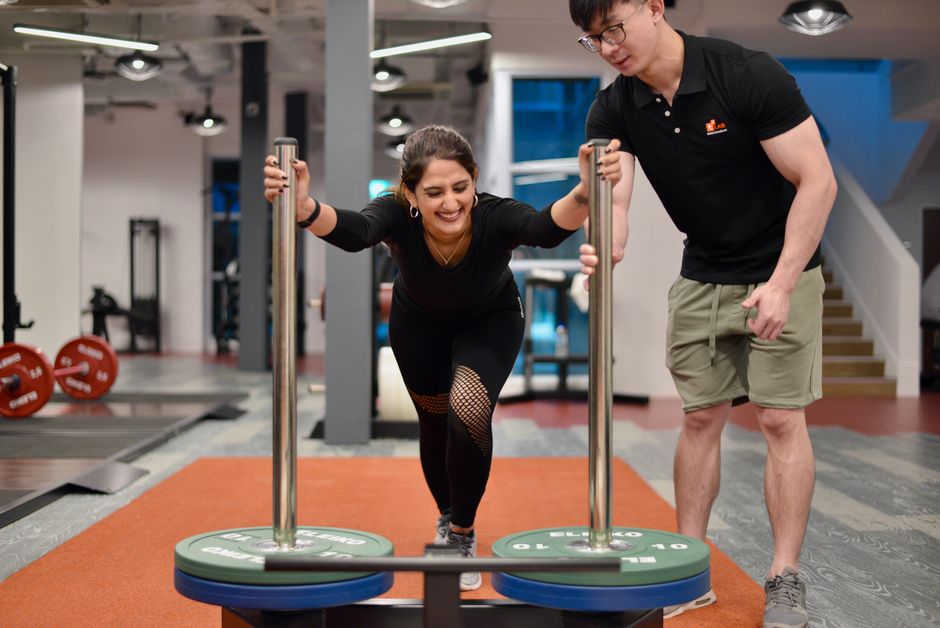
Neighbourhood organisations are filling gaps that formal healthcare systems cannot. Organisations like Heartbeat Trust and Lions Befrienders run structured walking groups and strength-training sessions across estates from Bedok to Bukit Batok. The approach combines medical evidence—short, regular doses of movement prevent joint degradation better than infrequent intense activity—with the psychological benefits of belonging.
Hawker centres, traditionally social hubs, are becoming unexpected wellness partners. Many now feature nutrition information, and community health ambassadors occasionally conduct informal talks about healthy eating choices among the familiar comfort of char kway teow and tze char stalls.
The most striking pattern emerging is intergenerational participation. Grandchildren joining grandparents for park runs, adult children attending parents' estate gym classes. These shared experiences strengthen family bonds while normalising active ageing across age groups.
For seniors considering starting their own wellness journey, local resources are abundant and affordable. Contact your nearest polyclinic for referrals, explore ActiveSG offerings, or simply chat with neighbours about existing community programmes. The transformation happening in HDB blocks and public spaces suggests that sustainable health change often starts not in clinics, but in the places where we already gather.
This article was compiled by AI from the sources linked above and screened before publishing. See our editorial standards.