Prevention beats cure—but only if you're preventing the right things, at the right time, in the right way for Singapore. While global wellness trends dominate social media, the evidence for what actually protects Singaporeans' health looks distinctly local.
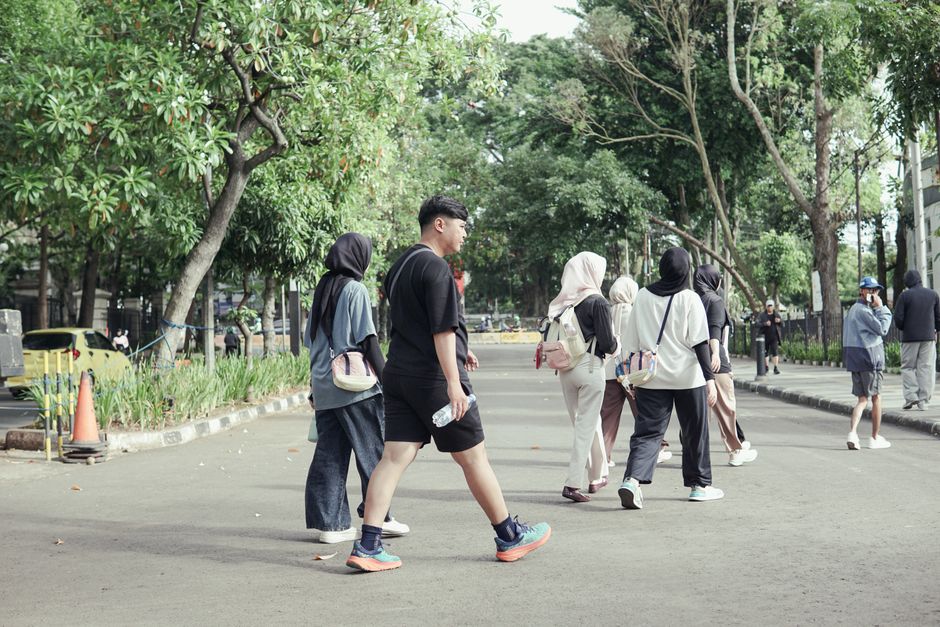
Start with what kills us most. Cardiovascular disease and diabetes top mortality charts here, both strongly linked to sedentary work culture and heat-driven reliance on air conditioning. The research is clear: regular aerobic activity reduces your risk. But the evidence also shows you don't need a pricey gym membership. The ECP and Botanic Gardens remain free, accessible, and studies confirm that consistent outdoor movement—even 150 minutes weekly of moderate intensity—significantly lowers disease markers. Morning runs beat evening ones in tropical humidity; your body recovers better and you sidestep afternoon heat stress.
Next: your polyclinic network. Singapore's subsidised screening programmes are genuinely evidence-based. The national diabetes screening at neighbourhood polyclinics costs under $10 and catches pre-diabetes early—a stage where lifestyle changes reverse progression entirely. If you're over 40 or have family history, the research supporting regular lipid panels is iron-solid. Most polyclinics offer them at similar rates. Delay this and you're gambling.
Dengue prevention demands seasonal timing. Peak transmission hits May through August; that's when the evidence-based approach kicks in: weekly visual home inspections for standing water beat any other intervention. Not glamorous, but the data shows it works better than relying on repellents alone.
Cancer screenings follow national guidelines for good reason. Cervical cancer screening (HPV testing) for women aged 21–65 and colorectal screening from 50 onwards reduce mortality by 70–80 per cent. These aren't optional. Book at your nearest polyclinic or private clinic in Bukit Merah or Tanjong Pagar; costs range from $15–$80 depending on your subsidy eligibility.
Finally, the unsexy truth: sleep and stress management matter more than any supplement. Singapore's long working hours and study pressure create chronic cortisol elevation, linked to metabolic dysfunction. The evidence supports simple interventions: consistent sleep schedules, even 20-minute walks in green spaces near HDB estates, and one screen-free hour before bed. These cost nothing and work.
Your health isn't determined by what wellness influencers promote—it's shaped by what your specific risk profile demands. Speak to your polyclinic doctor about personalised screening timelines and priorities. The science backs up prevention that's tailored, not trendy.
This article was compiled by AI from the sources linked above and screened before publishing. See our editorial standards.