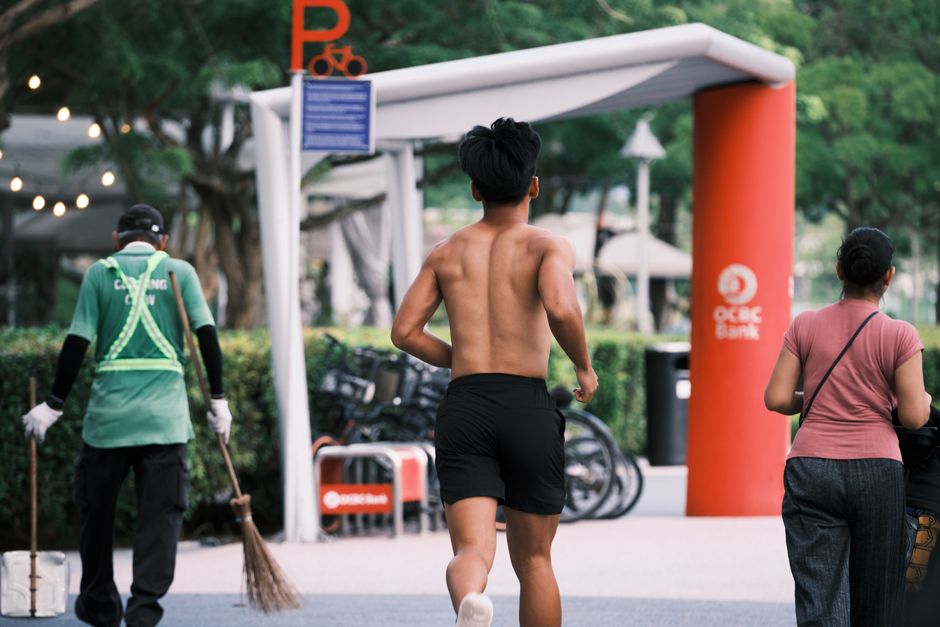
Singapore's year-round humidity, outdoor running routes along the East Coast Parkway, and 24-hour food availability create a unique nutritional environment. Yet most wellness advice ignores these realities. Research-backed strategies that account for our climate and culture work better than imported trends.
Start with hydration science. Tropical heat accelerates fluid loss—studies show Singaporeans lose up to 1.5 litres more daily than temperate-climate populations. Plain water remains essential, but electrolyte-rich options matter during or after outdoor exercise. Instead of expensive sports drinks, hawker centres across Tiong Bahru and Bedok offer coconut water and barley drinks (between $2–$3) with natural sodium and potassium. Polyclinic nutritionists consistently recommend these over sugary alternatives for heat adaptation.
Hawker centre eating—unavoidable for most Singaporeans—needn't derail nutrition goals. Evidence shows that choosing dishes with visible vegetables and proteins works better than restrictive avoidance. A laksa or chicken rice becomes balanced when paired with a side of blanched vegetables (available at most stalls for $1–$2). The National Health and Medical Research Council's recent tropical nutrition guidelines note that regular hawker-goers who deliberately select mixed dishes report better sustained energy than those who skip meals or rely solely on processed snacks.
Meal timing matters more in our heat. Eating lighter, frequent meals rather than three large ones reduces digestive strain during humid afternoons—particularly relevant if you're running at Botanic Gardens or using HDB estate gym facilities. A morning teh tarik with a whole-grain option, mid-morning fruit, and smaller lunch portions outperforms skipping breakfast, which research links to afternoon energy crashes and poor gym performance.
Storage and food safety shift with humidity. Nutritious foods spoil faster. Plan shopping trips fortnightly rather than monthly; buy frozen vegetables (equally nutrient-dense, better preserved) from neighbourhood markets. This approach costs roughly the same as fresh but reduces waste and foodborne illness risk—a particular concern given our climate.
Finally, leverage Singapore's community sport culture and polyclinic network. Free gym facilities in HDB estates and running routes at ECP aren't just for exercise; they're social anchors that reinforce dietary commitment. Polyclinics across Outram, Ang Mo Kio, and Clementi now offer subsidised nutrition consultations ($10–$15) tailored to tropical living and local diets. Evidence consistently shows that community-based, climate-appropriate guidance outperforms generic international advice.
The lesson: eat well here by working with our environment, not against it.
This article was compiled by AI from the sources linked above and screened before publishing. See our editorial standards.