Wellness
What science reveals about sleep, rest and Singapore's wellness routines
Research shows why your afternoon nap at the polyclinic or evening jog at ECP matters more than you think.
3 min read
Wellness
Research shows why your afternoon nap at the polyclinic or evening jog at ECP matters more than you think.
3 min read
Sleep deprivation costs Singapore's economy an estimated S$11 billion annually in lost productivity, according to a 2023 study by the Sleep Medicine Society. Yet for many Singaporeans juggling work commutes from the East Coast or Jurong estates, quality rest remains elusive. Understanding the science behind sleep and recovery can transform how we approach wellness in our fast-paced city.
The research is unequivocal: consistent sleep duration between seven and nine hours regulates metabolic processes, strengthens immune function, and enhances cognitive performance. Dr Helena Cederroth's groundbreaking work on circadian rhythms shows that irregular sleep schedules—common among Singapore's shift workers and frequent travellers—disrupt core biological clocks, increasing risks of hypertension and metabolic dysfunction. The solution isn't mysterious. Studies from the National University of Singapore's research labs demonstrate that maintaining fixed sleep-wake times, even on weekends, synchronises hormonal patterns and improves daytime alertness by up to 40 per cent.
Beyond bedtime, strategic rest periods yield measurable benefits. Neuroscience research validates the power of 20-30 minute afternoon naps, which boost memory consolidation and reaction time without inducing sleep inertia. This aligns perfectly with Singapore's growing nap culture—polyclinics across Clementi, Bedok, and Tampines report increased footfall during lunch hours from workers catching power naps. The free facilities at HDB community centres in estates like Tanjong Pagar and Marine Parade increasingly accommodate this trend.
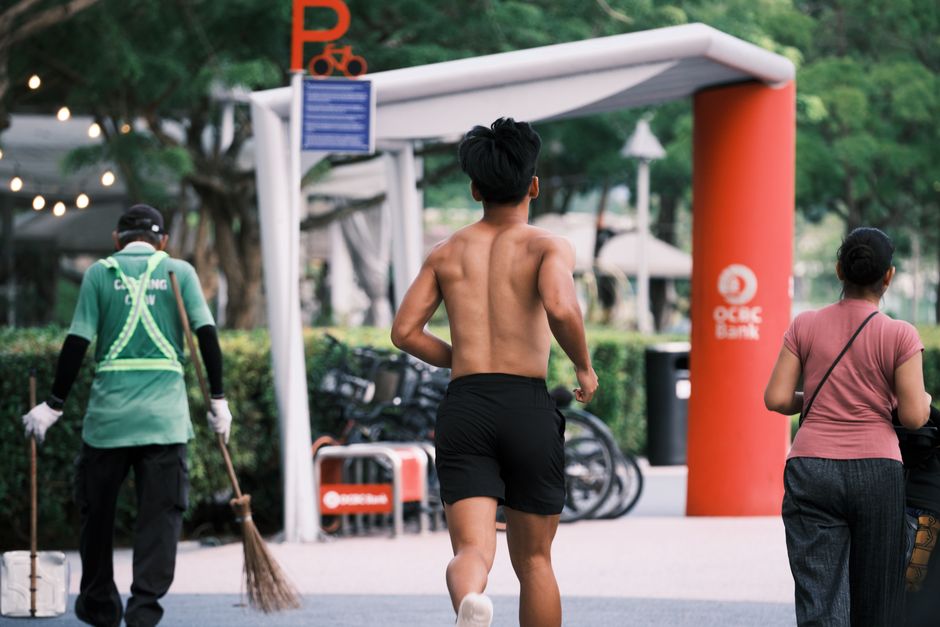
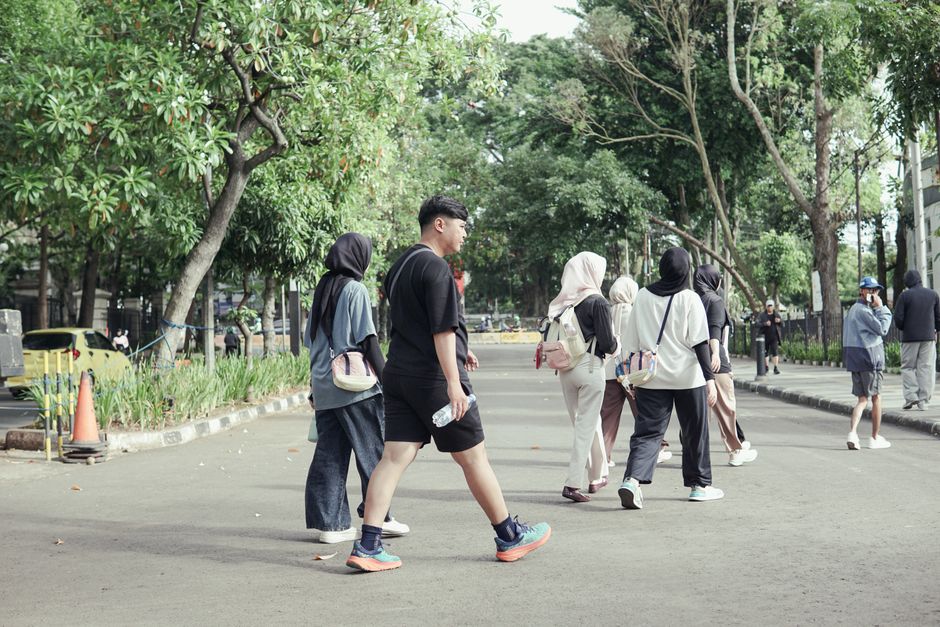
Movement and rest work synergistically. Research from sports science institutes shows that light evening activity—a 30-minute walk along the East Coast Park promenade or morning tai chi at the Singapore Botanic Gardens—promotes deeper non-REM sleep stages where physical recovery occurs. Conversely, vigorous exercise within three hours of bedtime elevates cortisol, disrupting sleep onset. Timing matters as much as intensity.
Lifestyle factors amplify these effects. Studies consistently link hawker-centre dinners high in sugars and caffeine to poor sleep quality, while lighter meals with complex carbohydrates and magnesium-rich foods like tofu and leafy greens eaten two to three hours before bed support sleep architecture. A bowl of laksa consumed at 10 p.m. activates the sympathetic nervous system; the same meal at 7 p.m. allows natural digestion before sleep.
Digital wellness research reveals blue-light exposure from smartphones suppresses melatonin production by up to 55 per cent. Singapore's Health Promotion Board now recommends a 30-minute phone-free wind-down before bed—particularly important for young professionals in CBD areas like Marina Bay.
The science is clear: sleep and rest aren't luxuries but biological imperatives. For Singaporeans, optimising these patterns through consistent schedules, strategic naps, timed movement, and mindful eating creates a foundation for sustainable wellness. Your body's recovery doesn't just feel better—it performs measurably better.
This article was compiled by AI from the sources linked above and screened before publishing. See our editorial standards.
Wellness
Wellness

Wellness

Wellness
About this article
Published by The Daily Singapore
Spread the word
Daily brief
Free, in your inbox before 7am. Weekdays.
The Daily Network — local news across Australia