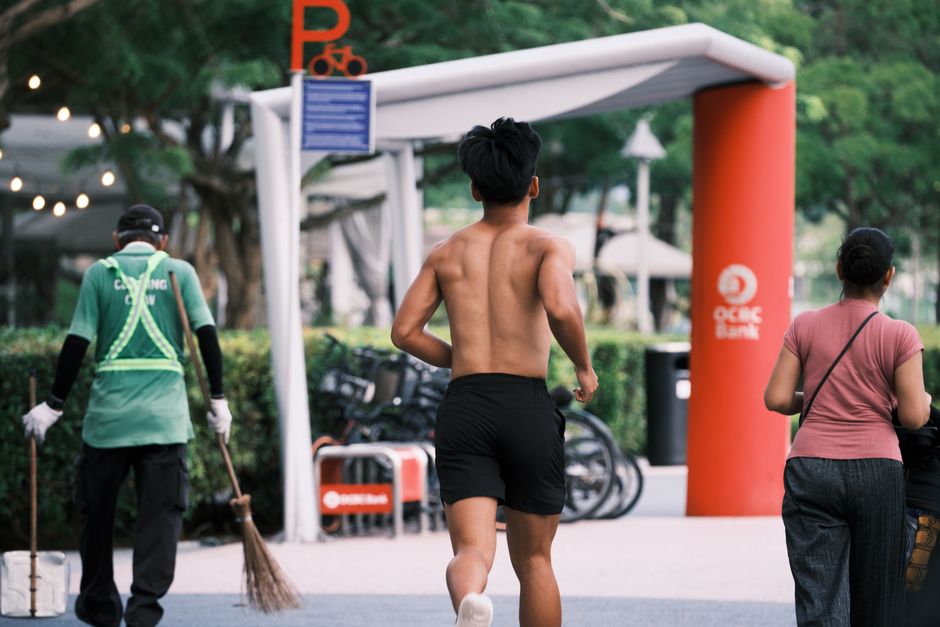
Walk along the East Coast Park on any morning and you'll see what Singapore's health authorities have quietly embraced: active ageing isn't a trendy catchphrase, but a scientifically-grounded approach to extending healthspan—the years we live in good health.
Recent longitudinal studies from institutions like the National University of Singapore's Healthy Longevity Program have documented what gerontologists call the "mobility paradox." The research is straightforward: adults over 60 who maintain consistent movement patterns show measurable delays in cognitive decline, reduced risk of falls, and better metabolic markers than sedentary peers. A 2024 analysis tracking older residents in HDB estates across Clementi, Bedok, and Tanjong Pagar found that those engaging in regular moderate activity had 30 per cent fewer hospitalisation episodes over five years.
The mechanism, researchers explain, centres on neuroplasticity—the brain's ability to form new neural pathways. When we move, especially through varied activities, we're literally rewiring how our nervous system processes balance, spatial awareness, and coordination. This explains why the polyclinic network's growing focus on community exercise classes at venues like the Botanic Gardens and ECP isn't merely recreational—it's preventative medicine.
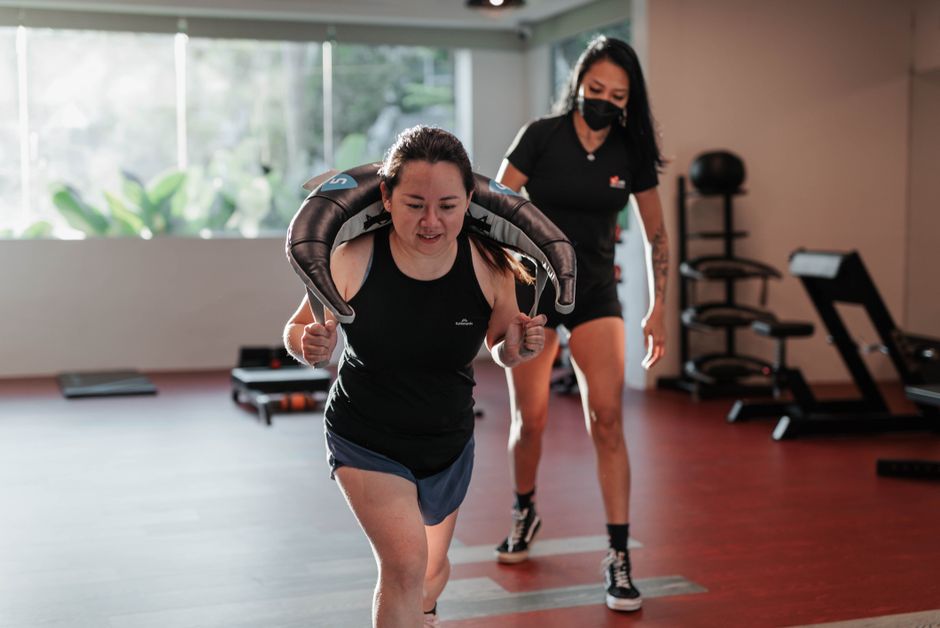
Dr. studies on sarcopenia—age-related muscle loss—show that resistance and functional movement training can reverse up to 40 per cent of age-related strength decline, even in people starting in their 70s. Singapore's free HDB estate gym facilities, now available in over 450 blocks islandwide, represent a practical application of this science. A 20-minute session twice weekly targeting compound movements produces measurable improvements in bone density and fall risk within 12 weeks.
What makes Singapore's approach distinctive is its accessibility infrastructure. The ECP's 15-kilometre route and Botanic Gardens' gentle trails provide low-cost venues where older adults can sustain aerobic activity without the joint stress of urban pavements. Hawker centres like those in Tiong Bahru and Maxwell Road now prominently feature steamed and grilled options, recognising that nutritional support underpins mobility gains.
The evidence converges on a simple principle: movement is a biological necessity, not a luxury. Sedentary ageing accelerates mitochondrial decline, weakens the vestibular system, and increases inflammation markers. Regular activity, by contrast, maintains the physiological infrastructure that keeps us independent.
For older Singaporeans, the research translates into practical advice: consistency beats intensity. Three 30-minute sessions weekly of mixed cardiovascular and strength work, accessible through community programmes and free estate facilities, delivers measurable health dividends. It's science, not sentiment, driving active ageing forward.
This article was compiled by AI from the sources linked above and screened before publishing. See our editorial standards.