Wellness
From Couch to 10km: How Singapore's Running Trails Are Sparking Real Health Transformations
Three locals share how accessible outdoor routes—and community support—helped them reclaim their fitness.
3 min read
Wellness
Three locals share how accessible outdoor routes—and community support—helped them reclaim their fitness.
3 min read

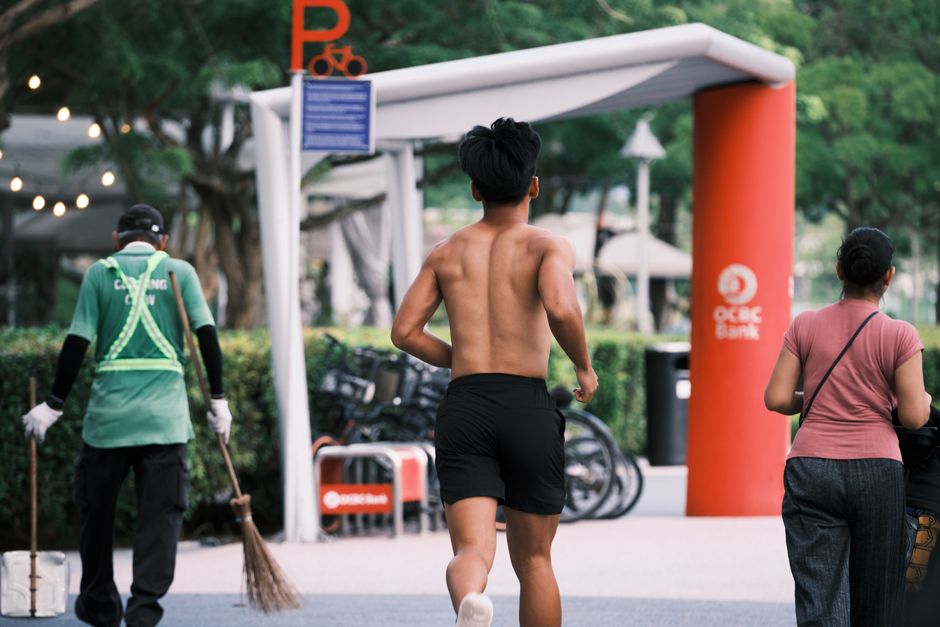
The East Coast Park stretches 15 kilometres along Singapore's eastern shoreline, and on any given morning, you'll find joggers of every fitness level pounding its dedicated running paths. For many Singaporeans, these trails have become unlikely catalysts for profound lifestyle changes—proof that transformation doesn't require expensive gyms or exotic retreats.
The statistics are compelling. According to Sport Singapore's 2024 Active Health survey, 42 per cent of residents now engage in regular physical activity, up from 35 per cent five years ago. Much of this shift correlates with increased use of public running routes like those at ECP, Marina Bay, and the Botanic Gardens' scenic 52-hectare landscape. The free accessibility—coupled with Singapore's community sport culture—has democratised fitness in a way few anticipated.
Consider the runners tackling the Botanic Gardens' eastern perimeter loop near Orchard Road. What begins as a tentative 2km jog for many becomes a sustainable routine. The Gardens' proximity to transport hubs like Botanic Gardens MRT station removes logistical barriers that traditionally derail exercise commitments. Similarly, HDB estates across the island host free gym facilities and designated running tracks, making fitness neighbourhoods rather than destinations.
The social dimension matters enormously. Running groups organising through community centres in Jurong, Tampines, and Bedok have created accountability structures that solo fitness seekers rarely achieve. These clusters—some meeting weekly at Kallang Riverside Park or looping the Macritchie Reservoir's 11km perimeter—transform exercise from solitary grind into shared experience. The polyclinic network has also begun linking fitness programmes with preventive health screenings, creating integrated wellness pathways.
What distinguishes these local success stories is their ordinariness. Participants aren't training for marathons or chasing sponsored records. Instead, they're managing blood pressure, improving sleep quality, or simply reclaiming energy levels thought permanently lost. The hawker centre culture—increasingly offering healthier options alongside traditional fare—supports this shift. Nutrition becomes less about restriction and more about informed choices made accessible by proximity and affordability.
The infrastructure helps. Well-maintained paths at ECP, Botanic Gardens, and expanding community routes reduce injury risk and weather-related excuses. Street lighting extends evening running windows. Signage displays distance markers, transforming vague exertion into measurable progress.
These aren't viral transformation stories. They're quieter narratives of sustained change, anchored to specific postcodes and community rhythms. For Singaporeans seeking health transformation, the answer increasingly lies not in elaborate programmes but in stepping outside—to trails, parks, and neighbourhoods already brimming with fellow travellers on similar journeys.
This article was compiled by AI from the sources linked above and screened before publishing. See our editorial standards.
Wellness

Wellness

Wellness
Wellness
About this article
Published by The Daily Singapore
Spread the word
Daily brief
Free, in your inbox before 7am. Weekdays.
The Daily Network — local news across Australia