Wellness
Why Singapore's Sleep Crisis Demands a Science-Backed Reset
Research reveals how circadian rhythms, blue light exposure, and evening routines can transform rest patterns—and what local experts recommend.
2 min read
Wellness
Research reveals how circadian rhythms, blue light exposure, and evening routines can transform rest patterns—and what local experts recommend.
2 min read
Singapore ranks among Asia's most sleep-deprived cities. A 2024 survey by the Sleep Disorders Unit at the National University Hospital found that over 40 per cent of working adults report chronic sleep disruption, often blamed on screen time, irregular schedules, and the island's 24-hour culture. But neuroscience offers concrete solutions grounded in how our bodies actually work.
The science begins with circadian rhythms—the internal clock governing sleep-wake cycles. Dr. Charles Czeisler's landmark Harvard research demonstrates that consistent sleep and wake times regulate this system, even by just 30 minutes daily. For Singaporeans juggling shift work or late dinners in Tiong Bahru's bustling hawker centres, this consistency matters more than total hours. The polyclinic network across constituencies like Clementi and Geylang now offers sleep hygiene consultations, recognising that fixing timing beats counting sheep.
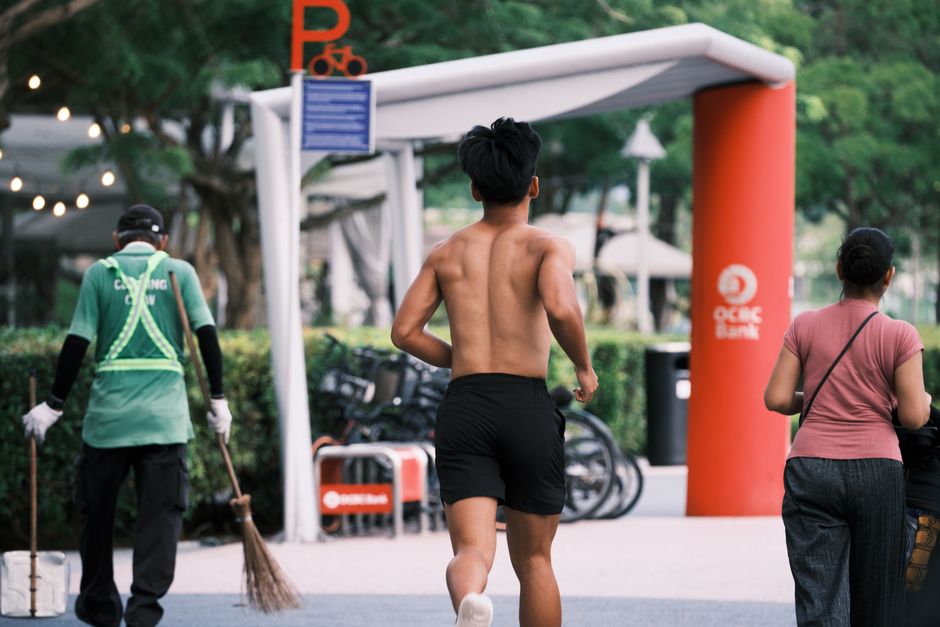
Blue light exposure is the second pillar. Research from MIT and Stanford shows that screens suppress melatonin production up to two hours before bed. A practical local fix: the Housing and Development Board's fitness centres—operating free in most estates—provide evening activity alternatives. A 6pm walk around the East Coast Park or Botanic Gardens naturally resets circadian timing while avoiding screens, a strategy validated by chronobiology studies.
Temperature regulation comes third. Studies in Nature Neuroscience confirm that a 2-3 degree drop in core body temperature triggers sleep onset. Singapore's tropical humidity complicates this; air conditioning set to 22-23°C (versus the typical 25°C) mirrors research-backed cooling. Budget-conscious residents note that community centres in Tanjong Pagar and Hougang offer affordable air-conditioned spaces for afternoon rest.
Finally, caffeine timing. A University of California study found that caffeine consumed even six hours before bed reduces deep sleep by 25 per cent. Many Singaporeans sip kopi or tea until 4pm; shifting this earlier to mid-morning aligns with peak cortisol levels when caffeine works most efficiently.
The evidence converges: sleep isn't about willpower but biology. The Health Promotion Board's workplace wellness programmes increasingly reflect this, partnering with companies across the CBD to introduce 20-minute nap pods—a practice validated by NASA research showing cognitive gains.
For personal guidance on sleep disorders or medical concerns, consult your GP at a local polyclinic or your company's occupational health provider. The science is clear: when we work with our biology, not against it, better rest follows.
This article was compiled by AI from the sources linked above and screened before publishing. See our editorial standards.
Wellness

Wellness

Wellness
Wellness
About this article
Published by The Daily Singapore
Spread the word
Daily brief
Free, in your inbox before 7am. Weekdays.
The Daily Network — local news across Australia