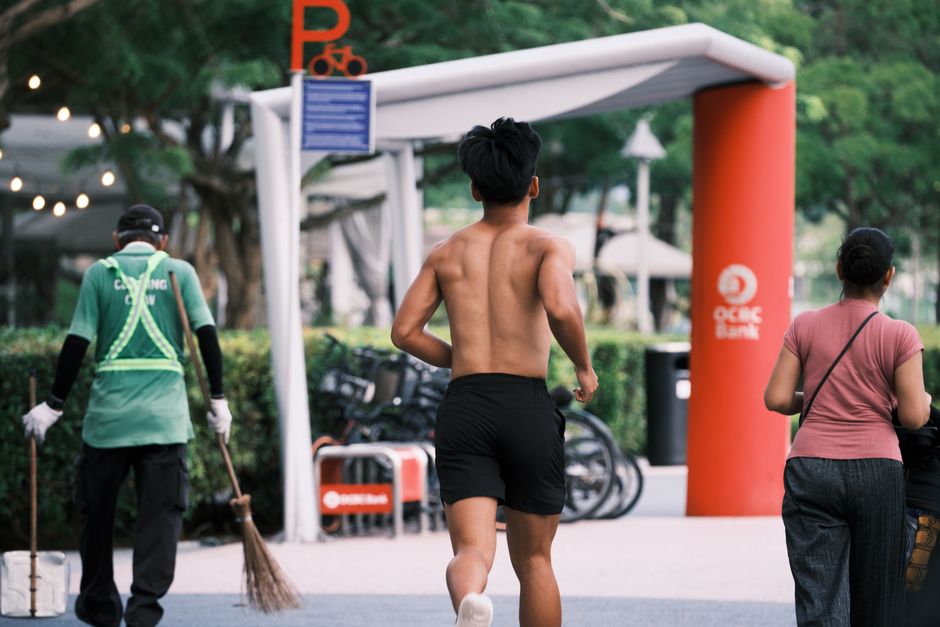
At 6:30 a.m., the East Coast Park waterfront fills with a quiet rhythm: walkers in their sixties and seventies moving steadily along the coastal promenade, some solo, others in small groups. This scene, replicated across Singapore's neighbourhoods from Tanjong Rhu to Yishun, reflects a shift in how older adults are approaching ageing—not through occasional fitness pushes, but through woven-in daily habits that require minimal cost and maximum consistency.
The Singapore Ministry of Health's Active Ageing framework has gained traction among residents who've recognised that staying mobile isn't about dramatic interventions. Instead, it's about habits embedded into daily life. Take the HDB void deck phenomenon. Across estates in Tiong Bahru, Clementi, and Bedok, community members gather most mornings for tai chi or gentle stretching sessions—often facilitated by ActiveSG or volunteer instructors—at no charge. These aren't elite classes; they're neighbourhood routines that have become social anchors.
For many, the habit starts simply: a 20-minute walk to the local market or polyclinic, rather than taking a taxi. The Botanic Gardens remains a popular destination, with its 52 hectares offering low-impact terrain and plenty of benches for rest breaks. Regular visitors report that the routine itself—the rhythm, the social encounters, the sense of purpose—matters as much as the physical benefit.
Hawker centres present another practical habit loop. Rather than ordering delivery, older Singaporeans often make the trip to their neighbourhood centre, navigating stairs or slopes, standing while waiting, and choosing from increasingly health-conscious options. Stalls now frequently label dishes low in sodium or high in vegetables, supporting those managing chronic conditions.
What distinguishes these habits is their integration into existing routines. A polyclinic visit becomes an opportunity to ask about mobility concerns; a family gathering at Tampines or Woodlands turns into a gentle walk beforehand. Physiotherapists at community centres like those run by the Agency for Integrated Care note that consistency—doing something five or six days weekly—matters far more than intensity.
Cost barriers are minimal. Free or subsidised gym facilities exist across HDB estates. The National Steps Challenge, a popular community initiative, gamifies walking without expense. Even dedicated mobility work—resistance bands, balance exercises—can happen at home using household items.
The takeaway isn't revolutionary: mobility in later years stems from habits so ordinary they're easy to overlook. A daily walk. A weekly market trip. A void deck stretching session. These aren't extraordinary commitments, but for Singaporeans managing full lives while ageing healthily, they've proven quietly, durably effective.
This article was compiled by AI from the sources linked above and screened before publishing. See our editorial standards.