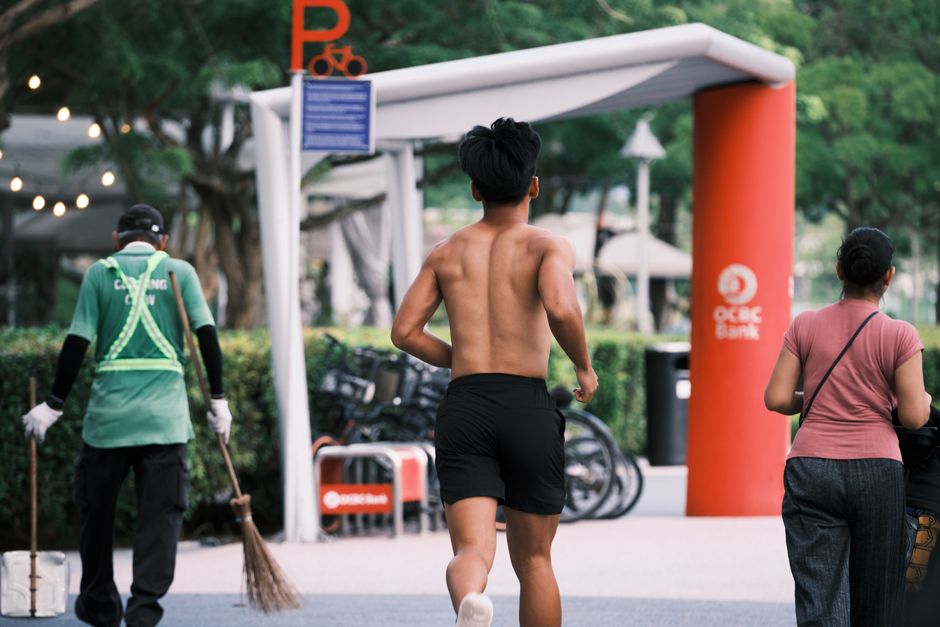
Walk into any hawker centre on a Saturday morning and you'll notice something that would have seemed unusual a decade ago: tables of runners refuelling with kaya toast and kopi, their fitness trackers glinting in the fluorescent light. This scene reflects a broader shift in how Singaporeans approach wellness, one that increasingly prioritises outdoor running and active exploration of public spaces.
The numbers tell a compelling story. Global fitness tracking data from 2025 showed that outdoor running participation in major Asia-Pacific cities grew by 18 per cent year-on-year. Singapore's growth has been notably steeper. The popularity of trails spanning the East Coast Park's 15-kilometre stretch, the Botanic Gardens' scenic loops, and emerging neighbourhood routes through Kallang and Marina Barrage demonstrates that Singaporeans have wholeheartedly embraced what international wellness circles call "community-based outdoor fitness."
Yet our approach differs subtly from global trends. While Western markets have seen explosive growth in premium running clubs and exclusive trail experiences, Singapore's uptake has been democratised by necessity and design. The accessibility of free HDB estate gym facilities, combined with the polyclinic network's affordable health screening services, creates a grassroots wellness ecosystem that global cities often lack. Running here isn't aspirational—it's practical.
The infrastructure helps. Unlike cities where outdoor running requires planning around traffic or weather extremes, Singapore's park connectors and coastal routes offer reliable, safe alternatives. The Kallang River Park improvements completed in 2024 added 3.7 kilometres of dedicated running paths, reflecting municipal investment in active mobility that mirrors trends seen in Copenhagen and Melbourne but tailored to our humid, equatorial context.
However, local uptake still lags behind cities like London and Tokyo in one key metric: formal running community participation. While international data shows 34 per cent of regular runners belong to organised clubs, estimates suggest only 22 per cent of Singapore's running community participates in structured group activities. This gap likely reflects our cultural preference for flexible, informal exercise—a distinctly local characteristic that shapes how we engage with wellness.
What's clear is that outdoor running in Singapore has transcended being merely a fitness trend. It's become woven into our social fabric, accessible across class lines, and tailored to our unique geography. As global wellness movements emphasise mental health benefits and community connection, Singapore's runners are already living this philosophy along the ECP, through the Botanic Gardens, and in the quiet early mornings of HDB estates across the island.
This article was compiled by AI from the sources linked above and screened before publishing. See our editorial standards.