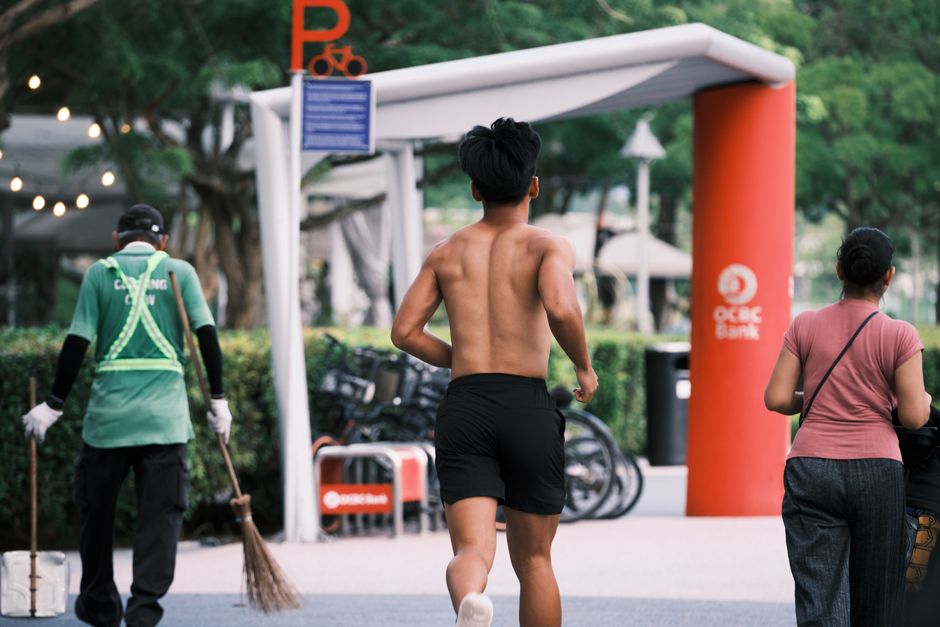
Walking groups have become a cornerstone of Singapore's grassroots fitness culture, with hundreds operating across neighbourhoods from Tampines to Bukit Merah. If you've noticed solitary joggers on your morning commute and wondered whether a group walk might energise your community, you're not alone. Starting a neighbourhood walking group requires minimal investment but a fair amount of planning—and the payoff extends far beyond fitness.
Begin by identifying your route. Most successful groups in Singapore leverage existing infrastructure: the East Coast Park's 15-kilometre stretch, parks within housing estates, or the network of Park Connector trails linking green spaces island-wide. For HDB neighbourhoods, internal estate roads with lower traffic—such as those around Bedok, Yung Ho or Marine Parade—work well. Walk the route yourself first. Check for adequate lighting if you're planning early morning or evening sessions, ensure pavements are well-maintained, and note any steep inclines or challenging terrain.
Next, decide on logistics. Most neighbourhood groups meet weekly, typically on Saturday or Sunday mornings, lasting 45 minutes to an hour. A moderate pace of 4-5 kilometres per hour suits mixed-ability groups. Set a consistent time and meeting point—a nearby community centre, market entrance, or MRT station makes coordination easier. Free or low-cost venues are abundant: the ActiveSG network manages 28 community centres island-wide, many offering bulletin boards for group announcements.
Recruitment happens through word-of-mouth and digital channels. Post on neighbourhood WhatsApp groups, community Facebook pages, or platforms like Meetup.com Singapore. The Ministry of Health's Active Health initiative offers free resources for community groups, including promotional materials. Polyclinics in your area often welcome information about grassroots fitness programmes to share with patients.
Once you've established momentum—typically 8-12 regular walkers—consider light structure. Designate a co-leader to share responsibilities, establish a simple communication channel via WhatsApp or Telegram, and perhaps share walking tips or health facts weekly. Some groups rotate who leads, preventing burnout.
Insurance and liability are worth addressing. While informal neighbourhood groups carry minimal risk, check if your Housing and Development Board estate has guidelines. Many community groups operate under informal arrangements, but some seek nominal support from grassroots organisations or People's Association grassroots leaders.
The beauty of a neighbourhood walking group lies in its simplicity. You're not competing with commercial gyms or CrossFit studios; you're creating accessibility. In a city where 70 per cent of adults don't meet physical activity guidelines, a free, social, zero-barrier option transforms lives. Your first walk might be just five people. Within months, it could anchor your community's wellness culture.
This article was compiled by AI from the sources linked above and screened before publishing. See our editorial standards.