Wellness
Why Singapore's sleep wellness movement is lagging behind global trends—and what's changing
While the world embraces sleep as a pillar of health, Singaporeans are only now catching up to the hype.
3 min read
Wellness
While the world embraces sleep as a pillar of health, Singaporeans are only now catching up to the hype.
3 min read
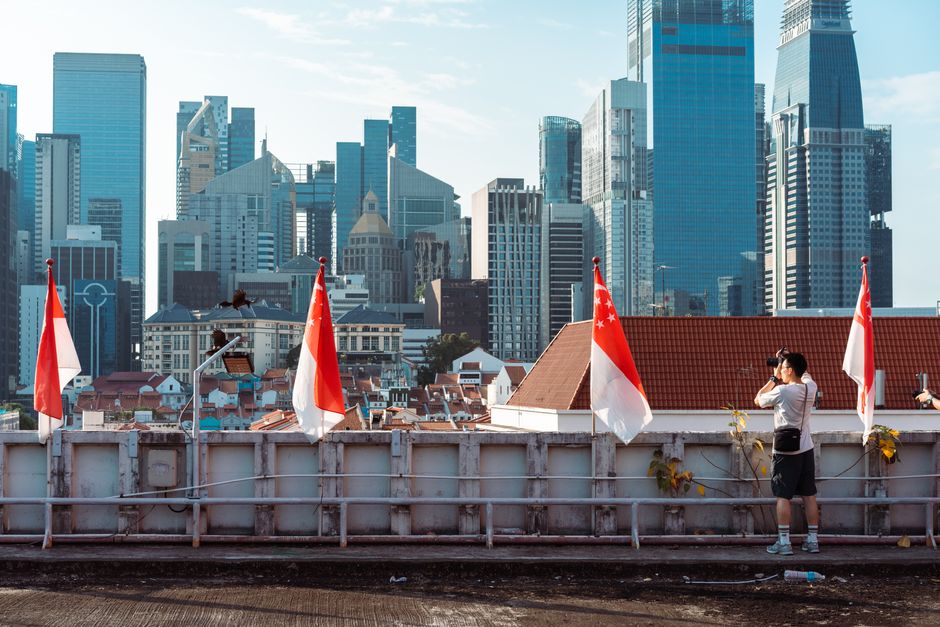
Sleep science has become a global obsession. From Silicon Valley's biohackers to European wellness retreats, optimising rest has evolved from a luxury into a mainstream health priority. Yet in Singapore, where the culture of grinding and staying late at the office remains deeply embedded, sleep wellness has only recently entered mainstream conversation—and uptake remains uneven across the island.
The numbers tell the story. A 2024 survey by the Health Promotion Board found that nearly 40 per cent of Singaporeans sleep fewer than seven hours on weeknights, well below the WHO-recommended eight hours. Compare this to countries like Germany and Japan, where sleep clinics and sleep coaching have become commonplace, and where workplace wellness programmes increasingly treat rest as non-negotiable. Singapore's polyclinic network has expanded sleep medicine services, but demand still outpaces capacity in neighbourhoods like Bukit Merah and Ang Mo Kio.
Yet change is stirring. Fitness communities around the ECP and Botanic Gardens—traditionally bastions of early-morning running culture—are now incorporating rest days and recovery-focused sessions into their schedules. Premium sleep-tracking apps have seen 35 per cent user growth locally since 2024. Bedding retailers in Takashimaya and ion Orchard report increased sales of ergonomic pillows and weighted blankets, items largely dismissed five years ago as wellness frills.
The challenge remains cultural. Globally, companies like Patagonia and Unilever have normalised nap pods and flexible schedules; in Singapore, such practices remain rare outside tech firms. Many Singaporeans still view rest as laziness rather than recovery—a mindset reinforced by decades of productivity-first messaging.
What's encouraging is grassroots awareness-building. Community centres across HDB estates now host talks on sleep hygiene. The Singapore Chinese Medical Association has integrated traditional sleep practices—herbal remedies, circadian rhythm respect—with modern sleep science. Hawker culture, long associated with late-night eating that disrupts sleep, is gradually shifting, with more stalls offering lighter evening options.
For individuals looking to catch up with global best practices without overhauling their lives, experts recommend starting small: consistent bedtimes, reducing screen time an hour before sleep, and leveraging free resources through the polyclinic network. The ECP's quieter early-morning hours remain ideal for wind-down walks that naturally regulate circadian rhythms.
Singapore's sleep wellness renaissance is arriving—just years after the rest of the world. But with the right support structures and a cultural shift toward viewing rest as productive, not wasteful, the island may finally be ready to close the gap.
This article was compiled by AI from the sources linked above and screened before publishing. See our editorial standards.
Wellness

Wellness

Wellness
Wellness
About this article
Published by The Daily Singapore
Spread the word
Daily brief
Free, in your inbox before 7am. Weekdays.
The Daily Network — local news across Australia